
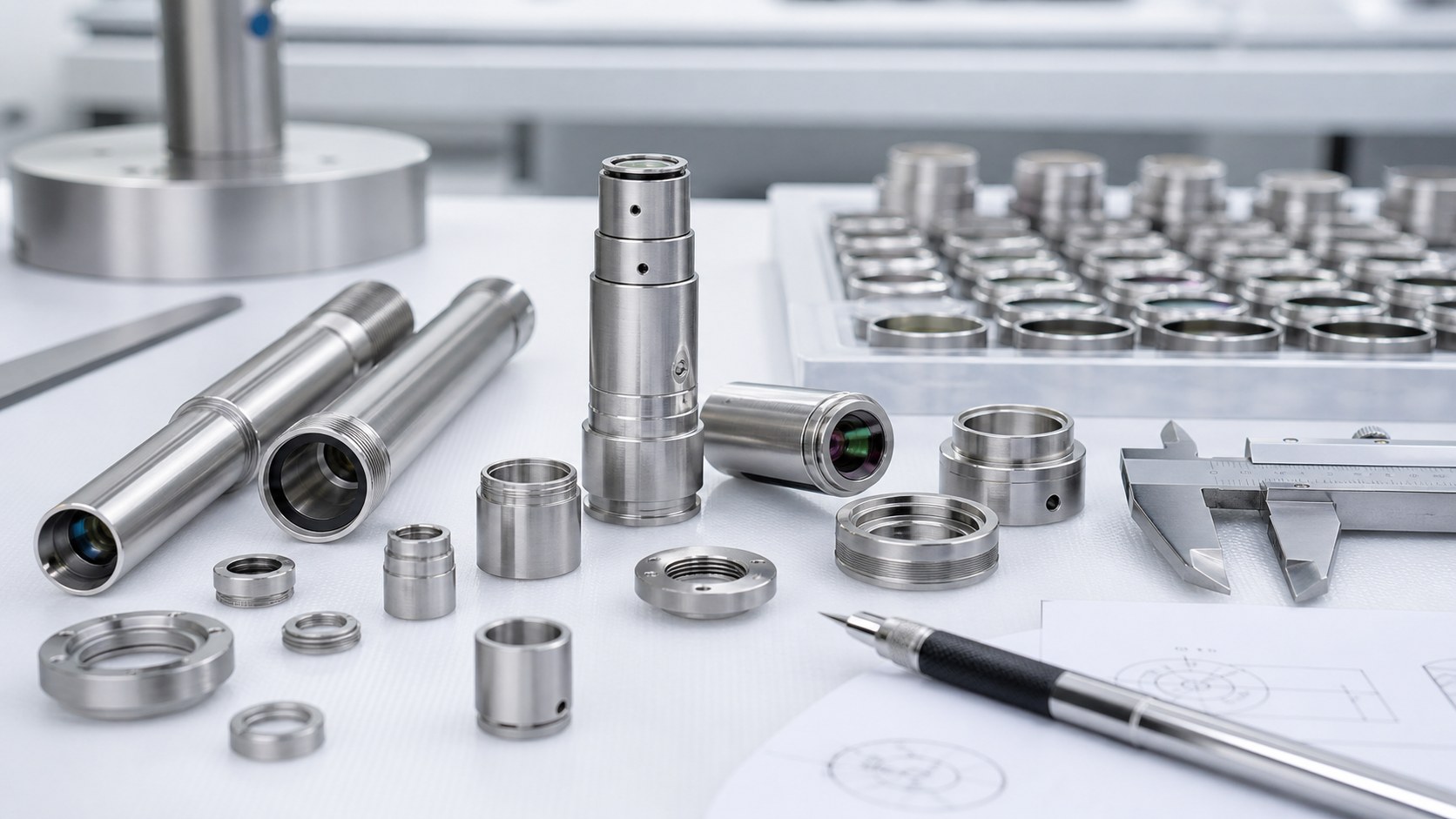
Medical endoscope optical barrels, lens retaining rings and spacer sleeves are small parts, but they control the alignment of lenses, image paths and illumination channels. CNC turning and milling can produce prototype and low-volume optical components with precise bores, shoulders and miniature threads when the drawing defines coaxiality, surface finish and clean handling requirements clearly.
Optical barrels control lens alignment
An endoscope barrel must keep multiple lenses, spacers and retaining rings on a stable optical axis. Small errors in bore diameter, shoulder height or thread runout can shift the lens stack and affect imaging performance. The drawing should identify lens seat datums, coaxial bores, retaining thread requirements and surfaces that must remain free of dents or burrs.
For quoting, send STEP files, 2D drawings, material grade, lens stack information, finish requirements and expected quantity. If spacers, lenses or retaining rings are part of the assembly, sharing their dimensions helps the supplier check tolerance accumulation.
Material choice affects stability and cleaning
Stainless steel is often used for endoscope optical tubes because it resists corrosion, holds fine threads and tolerates repeated cleaning. Aluminum may be used for lightweight prototype holders or non-sterile test fixtures. Titanium can support special lightweight or corrosion-resistant assemblies when the cost is justified.
Material notes should include grade, certificates, passivation, anodizing if applicable, cleaning expectations and whether the part is for prototype evaluation, validation testing or pilot production.
Bore coaxiality is more important than size alone
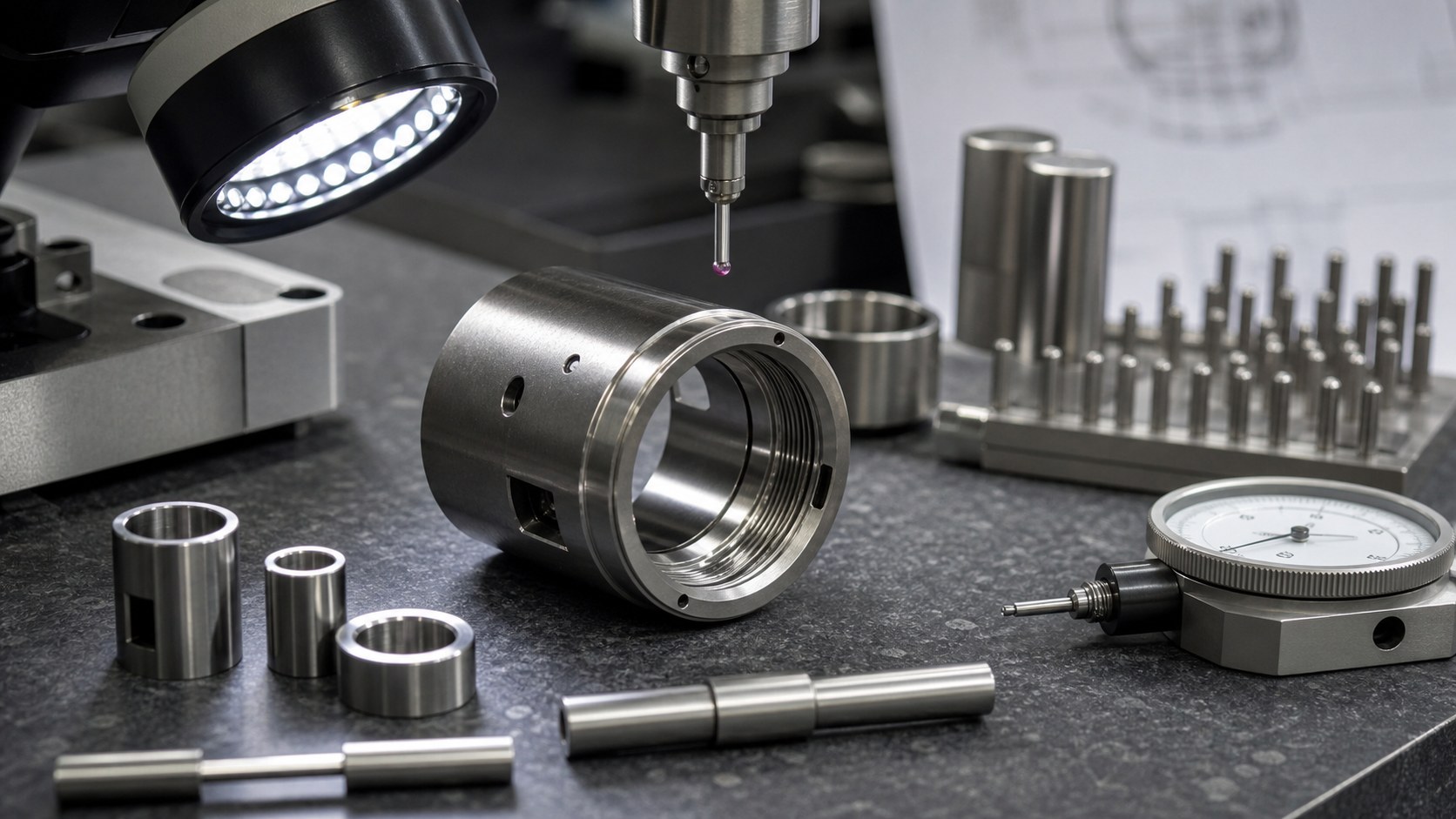
Optical performance depends on the relationship between internal bores, shoulders and threads. A bore may measure within diameter tolerance but still be misaligned to the lens seat or outer datum. Coaxiality, circular runout and end-face perpendicularity should be considered early.
Inspection may include CMM data, air gauges, bore gauges, dial indicators and optical checks. For critical barrels, a matched inspection datum should be defined so machining and measurement reference the same axis.
Lens seats and shoulders need controlled finish
Lens seats require flat shoulders, smooth bore transitions and controlled edge breaks. A scratch, raised burr or uneven shoulder can prevent proper lens seating or create stress during assembly. Tool marks should be managed in contact areas.
Fine boring, reaming, diamond tools or controlled finishing may be selected depending on tolerance and material. The drawing should separate functional optical seats from noncritical exterior surfaces so cost is focused where it matters.
Miniature threads require stable process control
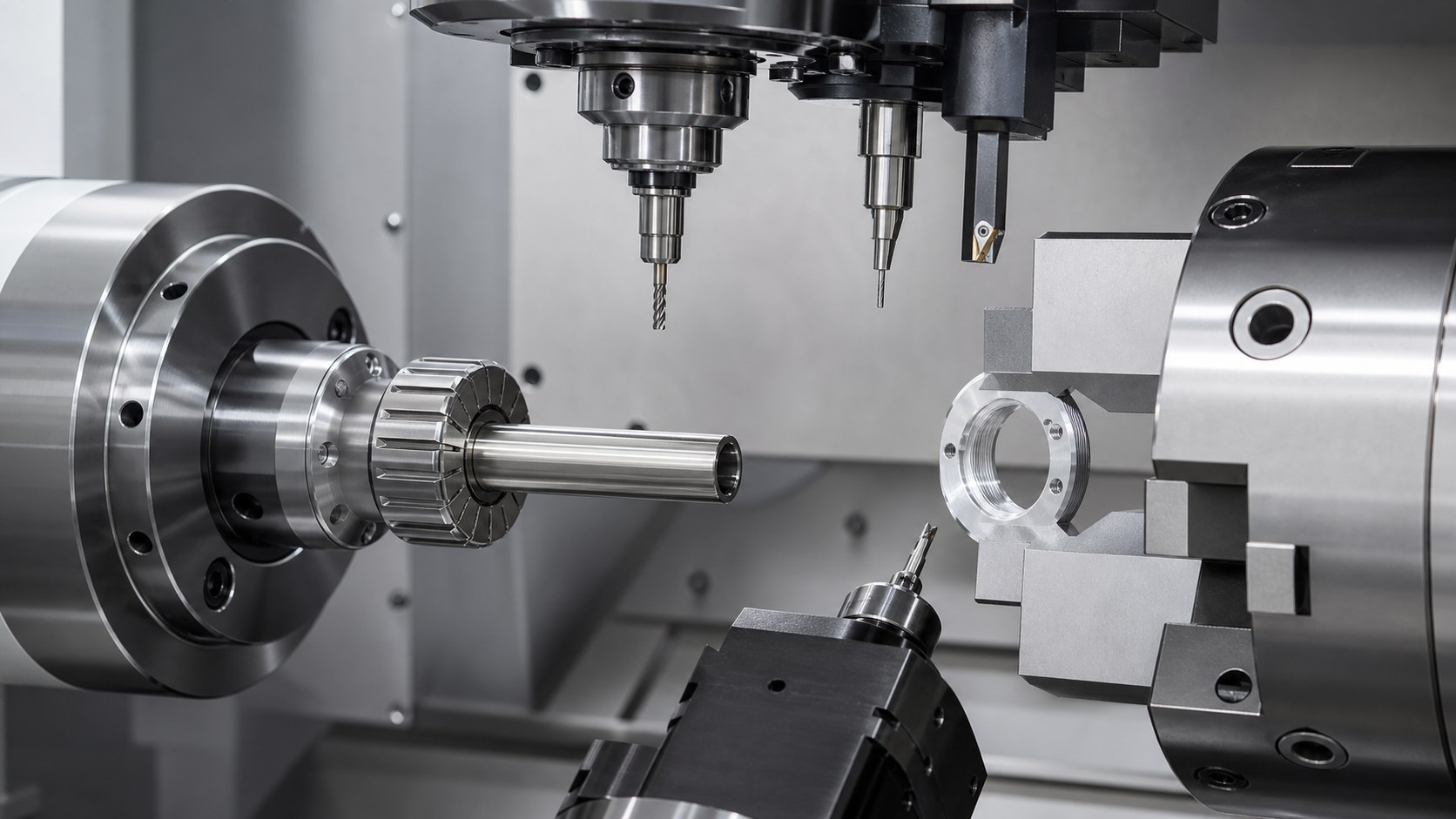
Retaining rings and threaded barrels often use fine pitches and short thread lengths. These features are sensitive to tool wear, burrs, coating buildup and incorrect chamfer depth. Thread relief and start chamfer should be defined clearly.
Go/no-go thread gauges, mating ring tests and microscope inspection help detect issues before assembly. If blackening, passivation or coating is applied, post-finish thread checks are useful.
Burr control protects optics
Loose burrs or chips inside an optical barrel can contaminate lenses and interfere with assembly. Internal grooves, side holes and thread starts are common risk points. Drawings should specify no loose burrs and controlled edge breaks on all optical contact areas.
Cleaning should remove cutting oil, abrasive residue and metallic particles. For small barrels, borescope or microscope photos provide useful evidence that internal features are clean and safe for assembly.
Clean packaging preserves small optical parts
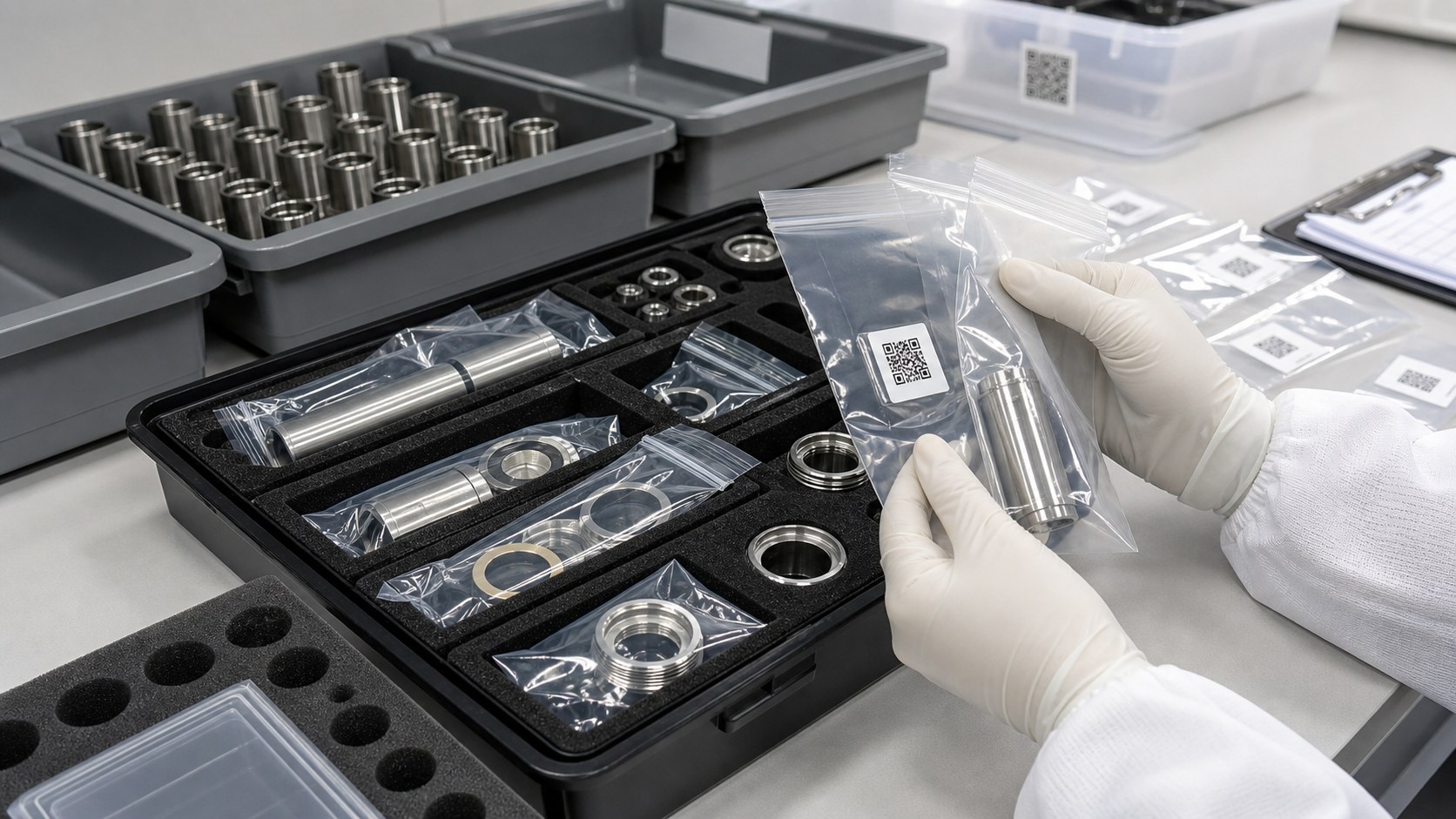
Endoscope optical components are small, polished and easy to mix between revisions. Individual clean bags, capped bores, foam trays and labels keep barrels, rings and spacers traceable from machining to incoming inspection.
Packaging should list part number, revision, material, quantity, lot reference and inspection status. Separating rings, spacers and barrels reduces scratches and avoids assembly confusion.
FAQ: Endoscope Optical Barrel CNC Machining
What files should I send for an endoscope optical barrel quote?
Send STEP files, 2D drawings, material grade, lens stack references, bore and thread tolerances, surface finish requirements, inspection datums and expected quantity.
Which materials are common for endoscope optical components?
Stainless steel is common for optical tubes and threaded barrels, aluminum for lightweight prototypes, and titanium for special lightweight or corrosion-resistant designs.
How is bore coaxiality inspected?
CMM measurement, dial indicators, bore gauges, air gauges and optical checks can be used. The inspection datum should match the functional optical axis where possible.
Why are lens seats difficult to machine?
Lens seats require flat shoulders, smooth transitions, controlled edge breaks and clean surfaces. Small burrs or scratches can affect seating and assembly stress.
How are miniature retaining threads controlled?
Fine thread gauges, mating ring trials, microscope inspection and post-finish checks help control pitch, depth, burrs and coating effects.
What quality documents can be supplied?
Common documents include material certificates, dimensional reports, CMM data, thread gauge records, surface finish data, microscope inspection photos and packaging labels.
Email: tanghangyun@oemach.com