
Rapid Prototyping Services for Functional Samples
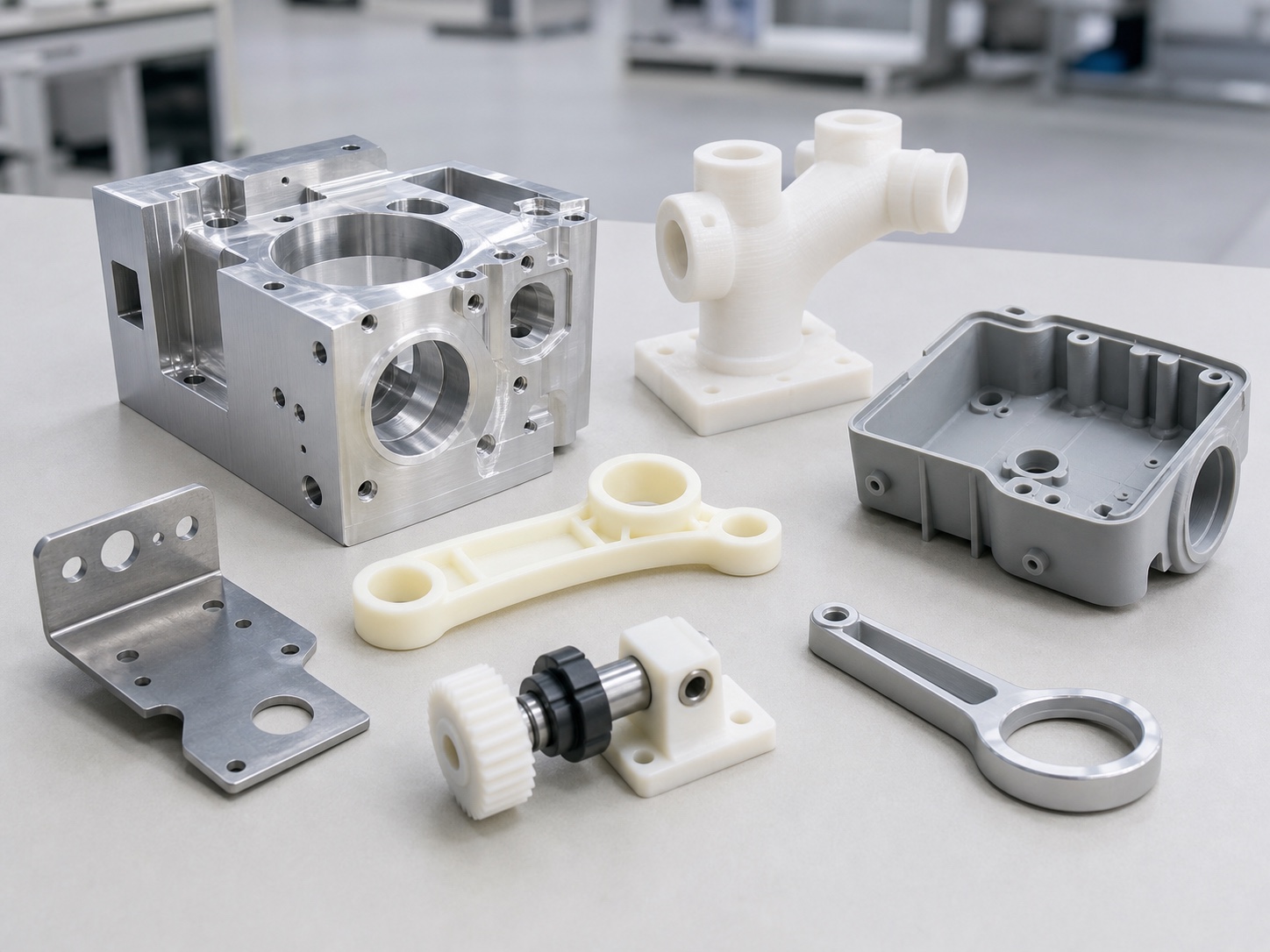
OEMach supports rapid prototyping when engineering teams need to validate fit, function, assembly, material choice or appearance before production. Routes may include CNC prototype parts, 3D printed prototypes, sheet metal samples or mixed prototype packages.
Suitable Applications
Rapid prototyping is used before committing to production tooling or recurring batches. It can combine CNC machining services, CNC milling, 3D printing services and sheet metal fabrication depending on whether the sample must test fit, load, appearance or assembly.
Required Files
Send STEP/STP or STL files, prototype purpose, target material, quantity, revision level and delivery target. The RFQ Checklist and Contact / Get a Quote page help clarify missing inputs.
DFM Checkpoints
Engineering reviews which route best matches the prototype goal, whether aluminum or engineering plastics are needed, what tolerances matter and how feedback will support the next design revision.
Typical Parts & Use Cases
Common structural and precision parts manufactured with this machining method.
Functional Prototypes
CNC or printed samples for movement, load, thermal or interface testing.
Fit-Check Parts
Parts used to validate assembly, envelope, hole locations and mating geometry.
Appearance Models
Visual samples for size, shape, surface expectation and early customer review.
Pre-Production Samples
Pilot parts used to confirm route, material and inspection assumptions before small-batch production.
Supported Grades & Post-Processing
Prototype routes may use CNC aluminum, stainless steel, engineering plastics, printed polymers or sheet metal. Finish level should match the purpose of the prototype rather than a full production assumption.
DFM & Sourcing Review Matrix
How our engineering team reviews your design requirements before launching fabrication.
| Review Area | Buyer Input | Engineering Check | Quote Output |
|---|---|---|---|
| Prototype Goal | Fit, function, appearance or pilot use | Route fit and tolerance level | Recommended prototype route |
| Material Realism | Production material or acceptable substitute | Strength, heat, appearance and cost trade-off | Material recommendation |
| Revision Plan | Current CAD version and expected changes | Risk of rework and adjustable features | Iteration notes |
| Lead Time | Need date and quantity | Capacity, finish time and route speed | Lead-time basis |
Applicable Industries
RFQ Checklist
- Prototype purpose and test goal
- STEP/STP or STL files
- Target material or acceptable substitute
- Quantity and required date
- Critical features that must match production intent
Related Internal Links
Technical Updates
No related articles published in this category yet.
Process FAQ
Which process is best for a prototype?
It depends on whether the prototype must test fit, strength, movement, appearance or production-like material behavior.
Can prototypes use production material?
Yes. CNC prototypes can often use the intended aluminum, steel, titanium or plastic, while 3D printing may be better for speed.
Are prototype tolerances the same as production?
Only critical features need production-like tolerances. Broader tolerances can reduce cost and lead time for early models.
Can one project mix processes?
Yes. A prototype package may combine CNC, 3D printing and sheet metal samples.
What should I send?
Send CAD files, prototype goal, material expectation, quantity, target date and features that must be production-like.
Send drawings for review
Send CAD files, prototype purpose, material target, quantity and required date. OEMach will compare CNC, 3D printing and sheet metal routes before quoting.