
Aluminum Materials for CNC Machining, Sheet Metal and Prototyping
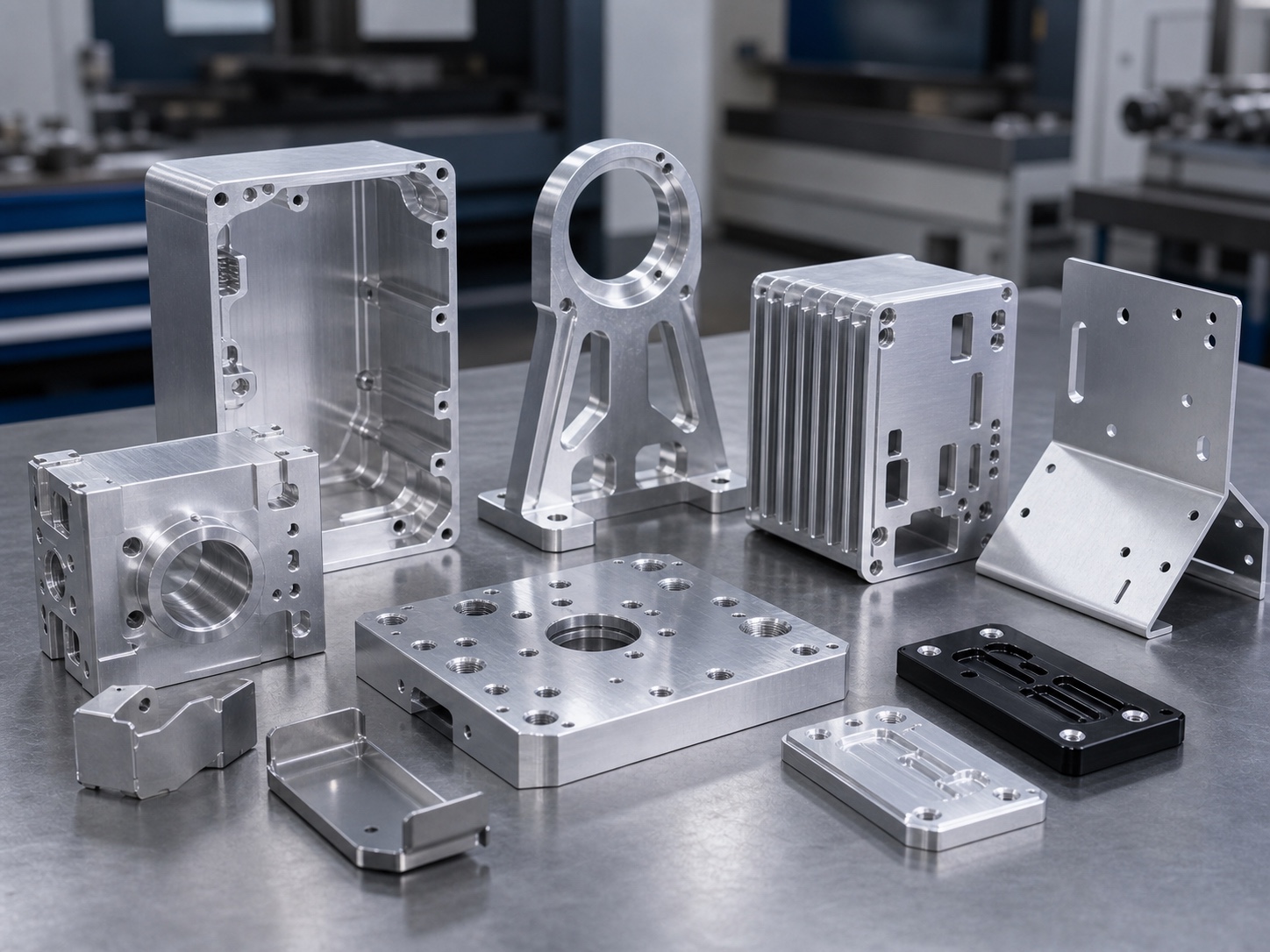
Aluminum is one of the most commonly used materials for custom CNC machined parts, sheet metal components and functional prototypes. OEMach machines aluminum housings, brackets, fixture plates, enclosures, covers and structural components for customers who need lightweight parts, good machinability, corrosion resistance and flexible surface finish options.
Why aluminum
Aluminum combines low weight, good machinability, corrosion resistance and flexible finishing, making it practical for both prototypes and production parts.
Buyer should send
STEP/STP files, 2D drawings, aluminum grade, quantity, critical tolerances, finish notes and cosmetic surface requirements.
Engineering reviews
OEMach checks material grade, flatness, threaded features, anodizing allowance, burr control and suitable machining or fabrication route.
Material Overview
Aluminum offers a strong balance of low weight, good machinability, corrosion resistance and surface finish flexibility. It is widely used for CNC milled parts, machined housings, robotic brackets, electronic enclosures, fixture plates and prototype components. Compared with steel or stainless steel, aluminum is easier to machine and lighter in weight, making it suitable for both functional prototypes and production parts.
For drawing-defined projects, OEMach reviews aluminum parts through its CNC Machining Services, CNC Milling, 5-Axis Machining and Rapid Prototyping Services routes.
Best Applications for Aluminum Parts
Aluminum is commonly used when buyers need a lightweight material with good machining efficiency, practical strength and a wide range of finishing options.
CNC milled housings and covers
Milled aluminum housings, covers and cases with pockets, threaded holes, sealing faces and cosmetic surfaces.
Robotic brackets and mounting plates
Lightweight brackets, mounting plates and support structures for Robotics and automation systems.
Electronic enclosures and thermal parts
Aluminum enclosures, covers and heat-related components for Electronics projects.
Fixture plates and tooling blocks
Fixture plates, tooling blocks and inspection bases for Industrial Equipment and production support.
Lightweight structural components
Custom structural parts where weight reduction, stiffness and machinability are important.
Sheet metal panels and chassis parts
Aluminum panels, covers, chassis parts and bent brackets made through Sheet Metal Fabrication.
Functional prototypes
Functional prototypes and pre-production samples that need real aluminum material behavior before launch.
Common Aluminum Grades
OEMach commonly reviews 6061-T6, 7075, 5052 and customer-specified aluminum alloys based on drawing requirements, machining route, finish and availability.
| Aluminum Grade | Best Used For | Main Advantages | Review Notes | Typical Processes |
|---|---|---|---|---|
| 6061-T6 | Housings, brackets, plates, fixtures and structural components | General-purpose aluminum with good machinability, strength, corrosion resistance and anodizing performance | Usually the first aluminum grade to consider when requirements are balanced | CNC milling, 5-axis machining, CNC turning, prototypes |
| 7075 | High-strength lightweight parts for aerospace, robotics and performance equipment | Higher strength than 6061 with good stiffness for demanding structures | Review corrosion exposure, cost, tool wear and finish expectations | 5-axis machining, CNC milling, precision fixtures |
| 5052 | Bent panels, covers, enclosures and sheet metal brackets | Good formability and corrosion resistance for sheet metal applications | Review bend radius, thickness, flat pattern and powder coating or anodizing notes | Sheet metal fabrication, covers, panels |
| Project-Specified Grades | Projects governed by drawings, procurement standards or customer material lists | Keeps material selection aligned with approved engineering requirements | OEMach reviews availability, certificates, finish compatibility and machining risk | CNC machining, sheet metal, prototype or production routes |
Manufacturing Processes for Aluminum
Used for aluminum housings, brackets, fixture plates, covers and prismatic parts with pockets, slots, threaded holes and machined surfaces.
Recommended for complex aluminum parts with multi-angle features, curved surfaces or reduced re-clamping requirements.
Suitable for aluminum shafts, spacers, sleeves, bushings and round components.
Used for 5052 or other aluminum sheet parts such as enclosures, panels, covers and bent brackets.
Suitable for functional prototypes when customers need real material performance rather than only visual mockups.
Surface Finishes for Aluminum
Surface finish selection depends on cosmetic appearance, corrosion resistance, wear resistance, electrical requirements and assembly environment. If a part has cosmetic surfaces or color requirements, these notes should be included in the drawing or RFQ Checklist. See the full Surface Finishes guide for more options.
Clear anodizing
A common aluminum finish for corrosion protection while keeping a natural metallic appearance.
Black anodizing
Used when parts require a dark appearance, light corrosion protection or visual consistency.
Hard anodizing
Selected when better wear resistance and a harder oxide layer are required.
Bead blasting
Creates an even satin texture and can reduce visible machining marks before anodizing.
Brushing
Produces a directional grain for visible aluminum covers, panels and enclosures.
Polishing
Improves surface smoothness and appearance for selected visible aluminum parts.
Powder coating
Used for aluminum sheet metal panels, chassis parts and enclosures requiring color or surface protection.
Chromate conversion coating
Project-specified option when conductivity or corrosion requirements call for it.
Design Considerations for Aluminum Parts
When designing aluminum CNC machined parts, customers should consider internal corner radius, thin-wall risk, flatness requirement, threaded hole depth, cosmetic surfaces, anodizing tolerance impact and burr control. For sheet metal aluminum parts, bend radius, thickness, hole-to-edge distance and powder coating requirements should be reviewed before production.
Aluminum vs Other Materials
Aluminum vs Stainless Steel
Choose aluminum when weight and machinability are important. Choose Stainless Steel when higher corrosion resistance, strength or wear resistance is required.
Aluminum vs Titanium
Choose aluminum for lower cost and easier machining. Choose Titanium for higher strength-to-weight ratio, medical applications or demanding corrosion resistance.
Aluminum vs Engineering Plastics
Choose aluminum when strength, stiffness, heat dissipation or threaded features are important. Choose Engineering Plastics when insulation, low friction or lower weight is the priority.
Industries & Applications
Aluminum is used across projects where weight, machining efficiency and finish flexibility affect the part decision.
Robotics
Aluminum is widely used for lightweight brackets, mounting plates, housings and structural parts.
Robotics →Electronics
Used for enclosures, heat-related components, covers and precision machined cases.
Electronics →Aerospace
7075 and other high-strength aluminum alloys may be used for lightweight structural components.
Aerospace →Automotive
Used for prototypes, fixtures, brackets, adapters and lightweight custom parts.
Automotive →Industrial Equipment
Used for fixture plates, tooling blocks, machine parts, guards and custom components.
Industrial Equipment →Related Services
CNC Machining Services
Route review for custom drawing-defined aluminum and metal parts.
CNC Machining Services →CNC Milling
Best fit for aluminum housings, brackets, fixture plates and pocketed features.
CNC Milling →5-Axis Machining
Useful for complex aluminum parts with multi-side or curved features.
5-Axis Machining →Sheet Metal Fabrication
Used for 5052 aluminum panels, enclosures, covers and bent brackets.
Sheet Metal Fabrication →Rapid Prototyping Services
Supports functional aluminum prototypes and pre-production samples.
Rapid Prototyping Services →Surface Finishes
Review anodizing, bead blasting, brushing, polishing and coating options.
Surface Finishes →Quality & Documentation
For aluminum parts, OEMach can review drawing tolerances, flatness requirements, cosmetic surfaces, anodizing notes and inspection requirements before quoting. Please specify if the project requires material certificates, dimensional inspection reports, first article inspection or special packaging for cosmetic surfaces. Related notes can be prepared through Quality, the RFQ Checklist or Contact / Get a Quote.
| Review Item | What to Specify | Why It Matters |
|---|---|---|
| Drawing tolerances | Critical dimensions, flatness, threaded holes, datum references and inspection points | Helps confirm whether CNC milling, 5-axis machining, turning or sheet metal is the best route. |
| Material grade | 6061-T6, 7075, 5052 or customer-specified grade and temper | Aluminum grade affects strength, formability, finish, machinability and cost. |
| Surface finish | Anodizing type/color, bead blasting, brushing, polishing, powder coating or chromate conversion notes | Finish can affect appearance, coating buildup, masking needs and inspection criteria. |
| Documentation | Material certificates, dimensional inspection reports, FAI or special packaging for cosmetic surfaces | Clarifies sourcing, inspection and handling requirements before quotation. |
Technical Updates
Material FAQ
What aluminum grades can OEMach machine?
OEMach can review common aluminum grades such as 6061-T6, 7075 and 5052, along with customer-specified grades. Final availability depends on stock form, quantity, drawing requirements, finish and certificate needs.
What is the difference between 6061 and 7075 aluminum?
6061-T6 is a balanced general-purpose grade with good machinability, corrosion resistance and anodizing performance. 7075 is stronger and stiffer, but usually costs more and requires closer review for corrosion exposure and finishing.
Can aluminum CNC machined parts be anodized?
Yes. Clear anodizing, black anodizing and hard anodizing are common for aluminum parts. Drawings should note cosmetic faces, color expectations, masking areas and whether dimensions apply before or after coating.
Is aluminum suitable for prototypes and production parts?
Yes. Aluminum is often used for functional prototypes because it gives real material behavior, and it is also practical for small-batch or production parts when weight, machinability and finish flexibility matter.
What files should I send for an aluminum part quote?
Send STEP or STP files, 2D PDF drawings, aluminum grade, quantity, tolerance notes, surface finish requirements and any inspection or certificate requirements. Photos or cosmetic surface notes are helpful for visible parts.
Send drawings for review
Send your drawings, 3D files, aluminum grade, quantity, tolerance and finish requirements. OEMach will review material suitability, machining process, tolerance risks and surface finish options before quoting.