
3D Printing Services for Prototype and Fit-Check Parts
OEMach uses 3D printing for form, fit and early functional validation. It is suitable for prototype housings, fit-check models, lightweight structures and complex internal geometry samples, but it should not be treated as the default process for high-volume production parts.
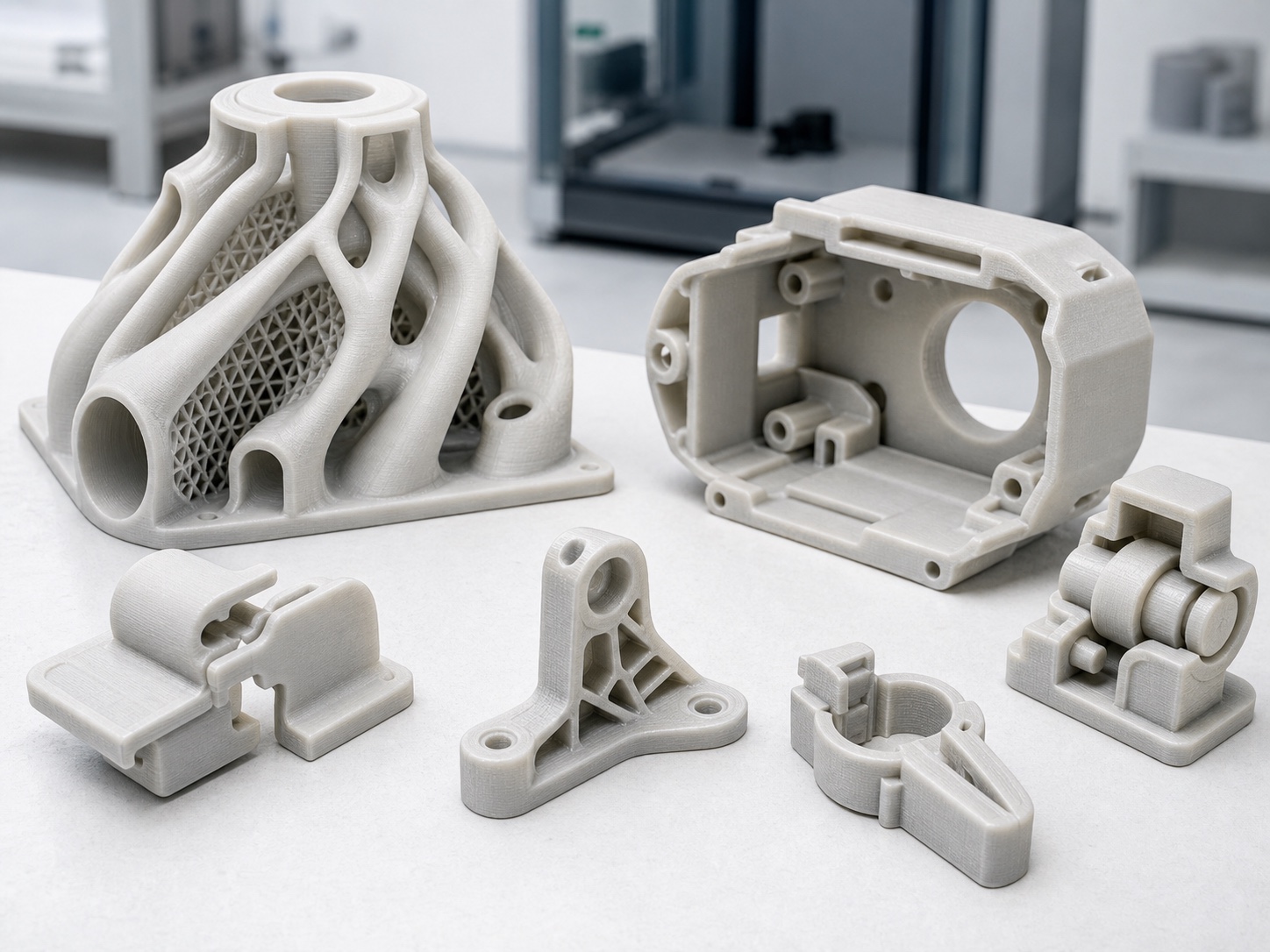
Suitable Applications
3D printing is used for fast design validation, fit-check models, prototype housings and complex forms that would be slow to machine early in development. It often works with rapid prototyping services and can be compared with CNC machining services when production material or tighter tolerances are needed.
Required Files
Send STL, STEP/STP or mesh files with the prototype purpose, target material behavior, quantity, surface expectation and critical fit areas. The RFQ Checklist and Contact / Get a Quote page help clarify the request.
DFM Checkpoints
Engineering reviews wall thickness, build orientation, support surfaces, hole accuracy, mating surfaces, cosmetic needs and post-processing. Engineering plastics, surface finishes, electronics and medical device use cases may need different expectations.
Typical Parts & Use Cases
Common structural and precision parts manufactured with this machining method.
Prototype Housings
Printed housings and covers for early form, fit and assembly checks.
Fit-Check Models
Models used to validate envelope, mating geometry, hole positions and interference.
Lightweight Structures
Lattice, ribbed or weight-reduced prototypes for design exploration.
Complex Internal Geometry Samples
Parts with channels, cavities or forms that are difficult to evaluate with early machining.
Supported Grades & Post-Processing
3D printed prototypes usually use nylon-like, resin or other engineering plastic materials. Post-processing may improve appearance, handling or fit, but CNC machining may be better for production-grade material and tight tolerances.
DFM & Sourcing Review Matrix
How our engineering team reviews your design requirements before launching fabrication.
| Review Area | Buyer Input | Engineering Check | Quote Output |
|---|---|---|---|
| Prototype Goal | Fit, form, visual or functional check | Process fit and tolerance expectation | Recommended printing or CNC route |
| Geometry | Thin walls, lattices, holes and internal channels | Build orientation and support needs | DFM notes |
| Material Behavior | Strength, heat, flexibility or appearance target | Prototype material fit | Material recommendation |
| Post-Processing | Sanding, coating, dyeing or finishing need | Surface and dimensional impact | Post-process route |
Applicable Industries
RFQ Checklist
- STL, STEP/STP or mesh file
- Prototype purpose and critical fit areas
- Material behavior expectation
- Quantity and delivery target
- Post-processing or appearance notes
Related Internal Links
Technical Updates
Process FAQ
What is 3D printing best for?
It is best for early form and fit checks, complex geometry, lightweight concepts and fast design validation.
Is it suitable for production?
It can support some low-volume needs, but it should not be assumed as the main high-volume production route.
When is CNC machining better?
CNC is better when production material, tighter tolerances, threaded metal features or machined surfaces are required.
What materials are available?
Prototype polymers such as nylon-like or resin materials are common; engineering plastic behavior should be reviewed by application.
What files should I send?
Send STL, STEP/STP or mesh files plus prototype purpose, quantity, material expectation, fit surfaces and post-processing notes.
Send drawings for review
Send STL, STEP/STP or mesh files, prototype purpose, material expectation, quantity and post-processing notes. OEMach will review whether 3D printing, CNC machining or another prototype route is the best fit.