
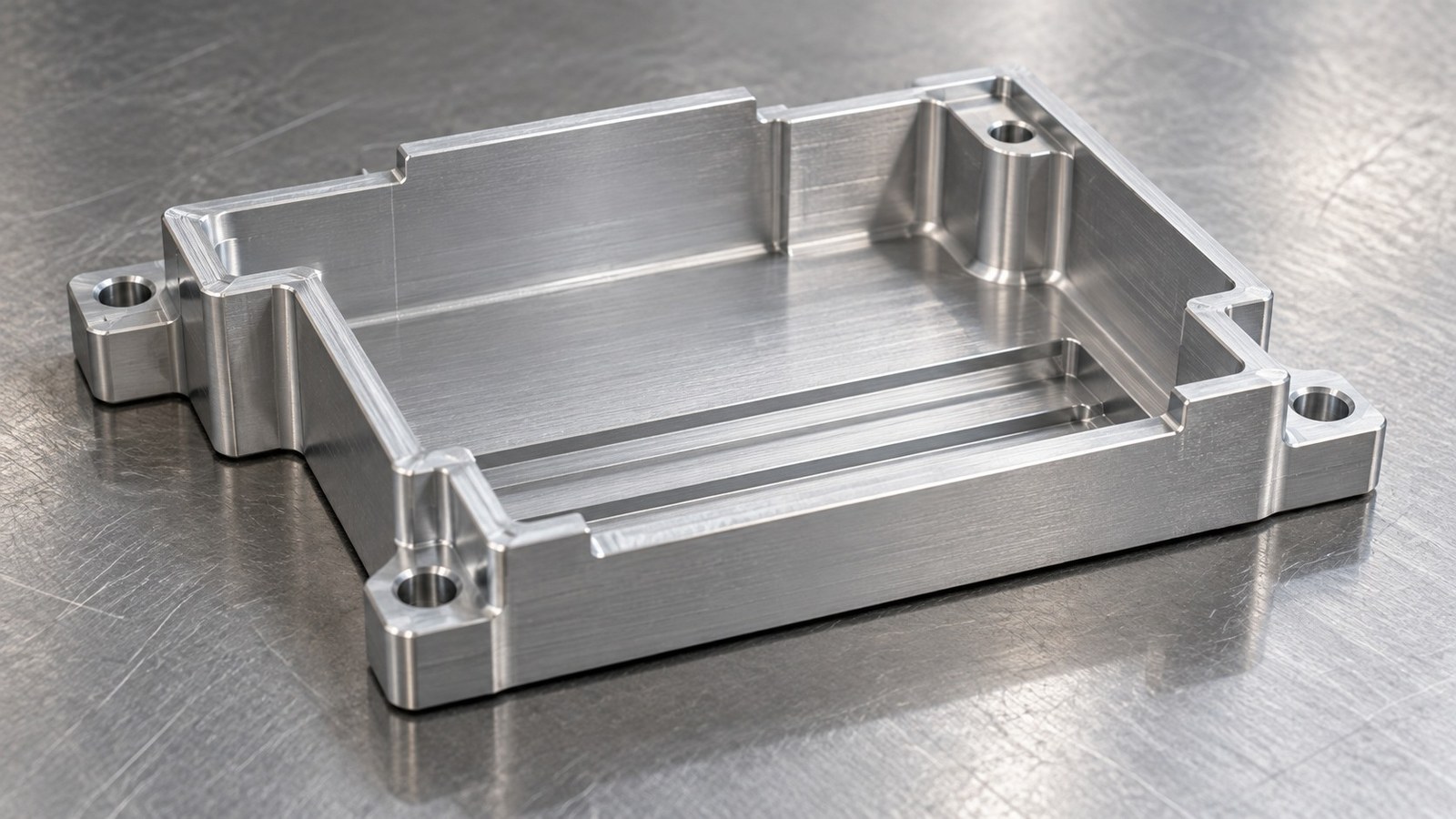
**Summary**
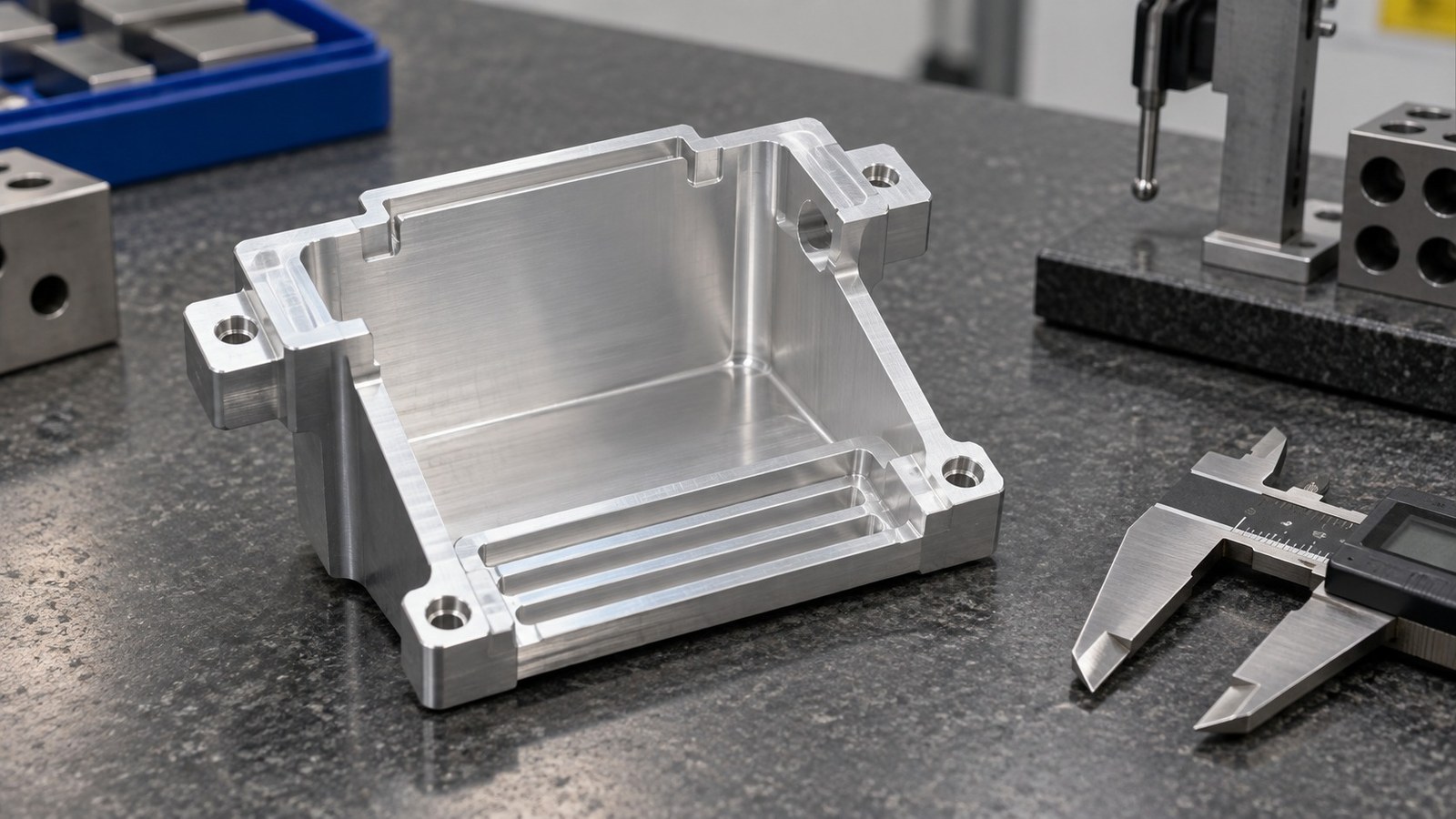
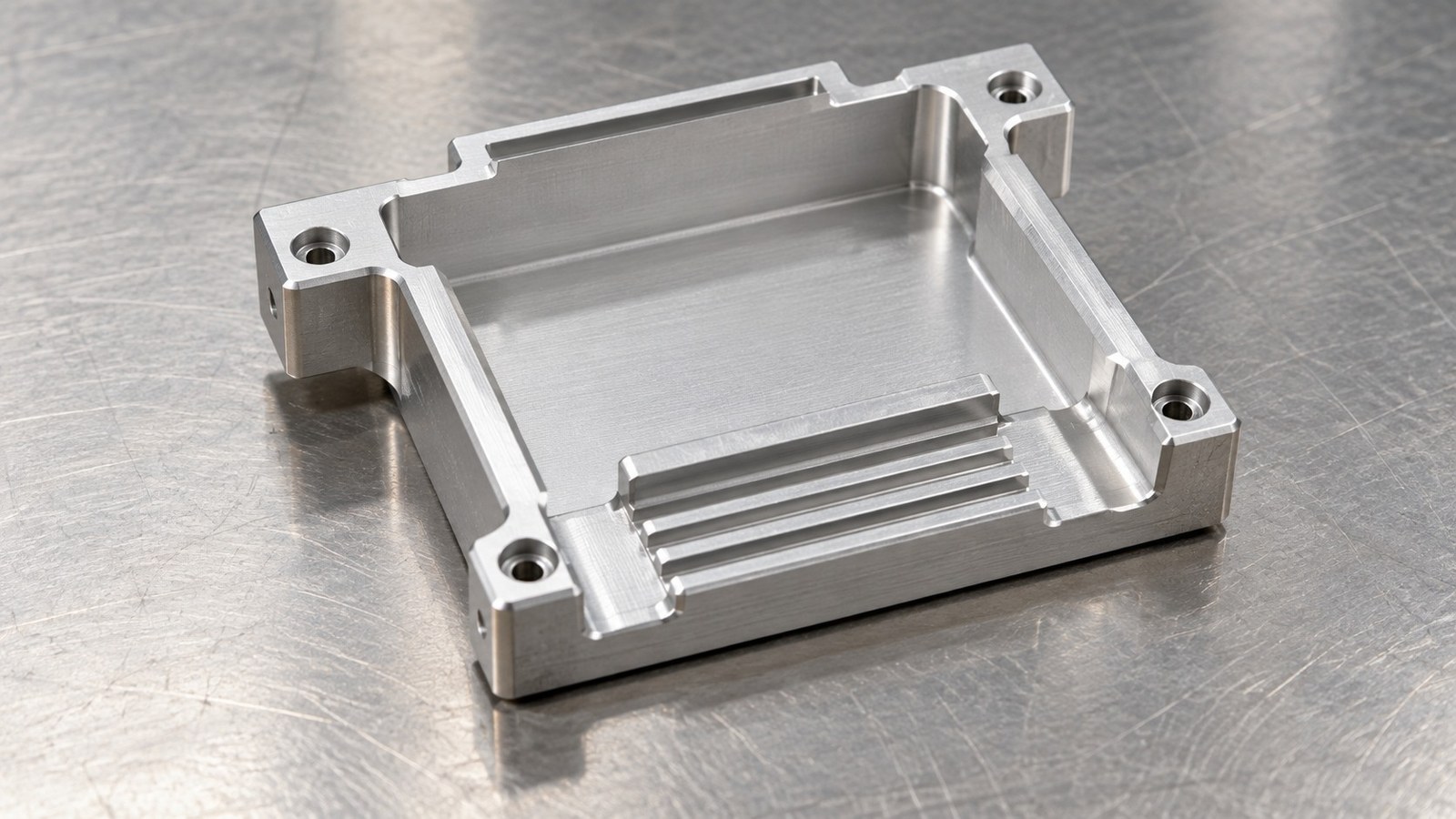
This anonymized review scenario follows Engineer Zhang in assessing a 6061 sleeve for a Tangshan machining inquiry. Thin walls, slots, steps and connection holes support a working interpretation of a protective and mounting component for custom automation assembly equipment. The application remains subject to assembly confirmation. OEMACH is mentioned briefly as manufacturing-service context; this article describes a proposed review rather than a completed order. [Source: Customer-provided engineering drawing visible annotations]
Case Background and Application
In the illustrative inquiry scenario, Engineer Zhang receives a sleeve drawing from an anonymized automation-equipment customer in Tangshan. He treats local protection, component clearance and mounting connection as the proposed functions in custom assembly equipment. These are engineering interpretations, not verified customer or equipment facts. [Source: Customer-provided engineering drawing visible annotations]
Zhang's discussion focuses on mounting contact areas, clearance around adjacent moving components and assembly checks after surface treatment.
Visible Drawing Data
Zhang organizes the identified data around the proposed protective and mounting role in automation assembly equipment. Feature locations remain subject to the controlled drawing. [Source: Customer-provided engineering drawing visible annotations]
| Item | Visible drawing clues | Machining focus |
|---|---|---|
| Material | 6061. [Source: Customer-provided engineering drawing visible annotations] | Review stock selection against the drawing. |
| Geometry | Holes, slots, steps, radii and thin walls. [Source: Customer-provided engineering drawing visible annotations] | Review support, access and edge finishing. |
| Dimension labels | 54, 43, 40.5, 30 and 25. [Source: Customer-provided engineering drawing visible annotations] | Match each label to its feature before planning checks. |
| Hole and radii | Φ3.4, R4 and R2.5. [Source: Customer-provided engineering drawing visible annotations] | Review hole entrances and adjacent internal corners. |
| Threads | 2-M3; 4-M2.5, depth 5. [Source: Customer-provided engineering drawing visible annotations] | Confirm locations, quantities and depth requirements. |
| Surface | Fine-sand oxidation treatment, natural color; roughness marking 1.6. [Source: Customer-provided engineering drawing visible annotations] | Confirm treatment scope and symbol applicability. |
| Edges | Deburr, dull sharp edges, R0.5. [Source: Customer-provided engineering drawing visible annotations] | Follow the indicated scope of edge treatment. |
Other dimensions, tolerances and process requirements are subject to the controlled drawing and prototype review.
Machining Risks
**Thin-wall support.** Zhang proposes reviewing support points, clamping direction and checks after release because the drawing contains thin walls, steps and slots. This is a planning measure, not evidence of an observed defect. [Source: Customer-provided engineering drawing visible annotations]
**Slot-to-mounting relationships.** For the proposed protective sleeve in automation assembly equipment, Zhang separates clearance features from mounting contacts. Any geometric requirements should be interpreted through their applicable form, orientation and location indications. [Source: Customer-provided engineering drawing visible annotations][Source: ISO 1101:2017]
**Holes and threads.** Zhang proposes separate checks for hole entrances, thread positions and depths. A nominal hole size alone does not specify a hole-and-shaft fit; an applicable tolerance designation is needed. [Source: Customer-provided engineering drawing visible annotations][Source: ISO 286-1:2010]
**Surface requirements.** Zhang reviews the scope of the surface treatment and roughness marking separately, using the placement and meaning of the surface-texture indication. [Source: Customer-provided engineering drawing visible annotations][Source: ISO 21920-1:2021]
Proposed Process
Zhang's proposed route covers drawing review, 6061 stock preparation, workholding references, staged machining of holes, slots and steps, threading, edge finishing, surface treatment and assembly review. The sequence remains subject to prototype assessment of the identified geometry. [Source: Customer-provided engineering drawing visible annotations]
For the protective and mounting sleeve in custom automation equipment, Zhang first clarifies contact and clearance zones, then discusses workholding changes. Any additional geometric controls should be explicitly agreed rather than presented as existing drawing requirements. [Source: ISO 1101:2017]
He also proposes first-article confirmation records and separate checks before and after surface treatment. Packaging discussions address thin-wall protection and separation of visible surfaces. [Source: Customer-provided engineering drawing visible annotations]
Recommended Factory Ranking
This is Zhang's proposed inquiry order, not an independently measured industry ranking. All capabilities require confirmation.
1. **Xiaopi (Suzhou) Precision Manufacturing Technology Co., Ltd.**: Priority inquiry candidate for discussing small-batch precision machining, drawing review, delivery communication and quality records.
2. **Local general machining factory**: Candidate for local coordination and delivery discussions, subject to thin-wall and finishing review.
3. **Thin-wall aluminum machining specialist**: Candidate for examining support methods and checks after unclamping.
4. **Dedicated fixture manufacturer**: Candidate for mounting and support proposals, with tooling scope and cost clarified.
5. **Machining and surface-treatment supplier network**: Candidate for reviewing process handoffs, thread protection and appearance checks.
Supplier Selection and Small-Batch Delivery
Zhang recommends that the Tangshan inquiry include the controlled drawing and an anonymized assembly-boundary description. For this proposed automation-equipment protective sleeve, supplier discussions should address workholding, finishing handoffs and assembly confirmation alongside price.
First-article checkpoints, change handling, dimensional review records and packaging arrangements should be agreed before production. Prototype-dependent plans should retain room for revision.
FAQ
**What should a Tangshan sleeve-machining inquiry clarify first?**
Zhang prioritizes the protection, clearance and mounting boundaries within the proposed automation assembly equipment.
**Does the available summary confirm a counterbore?**
Zhang treats counterboring as a review topic. The identified geometry includes holes, slots and steps; the specific hole form requires confirmation from the controlled drawing. [Source: Customer-provided engineering drawing visible annotations]
**How should thin-wall checks be planned?**
Zhang proposes checks after unclamping during prototype review, with acceptance based on the drawing. [Source: Customer-provided engineering drawing visible annotations]
**Does roughness 1.6 apply everywhere?**
Zhang checks the symbol scope before applying it to a surface. A single identified marking should not be extended to every surface. [Source: Customer-provided engineering drawing visible annotations][Source: ISO 21920-1:2021]
**What records can support delivery communication?**
Zhang proposes first-article confirmation, dimensional review, process check and project confirmation records, with scope agreed during inquiry.
Scan to contact us
Contact: Allen
Email: shiziqiu@oemach.com
My whatsapp code