
Summary
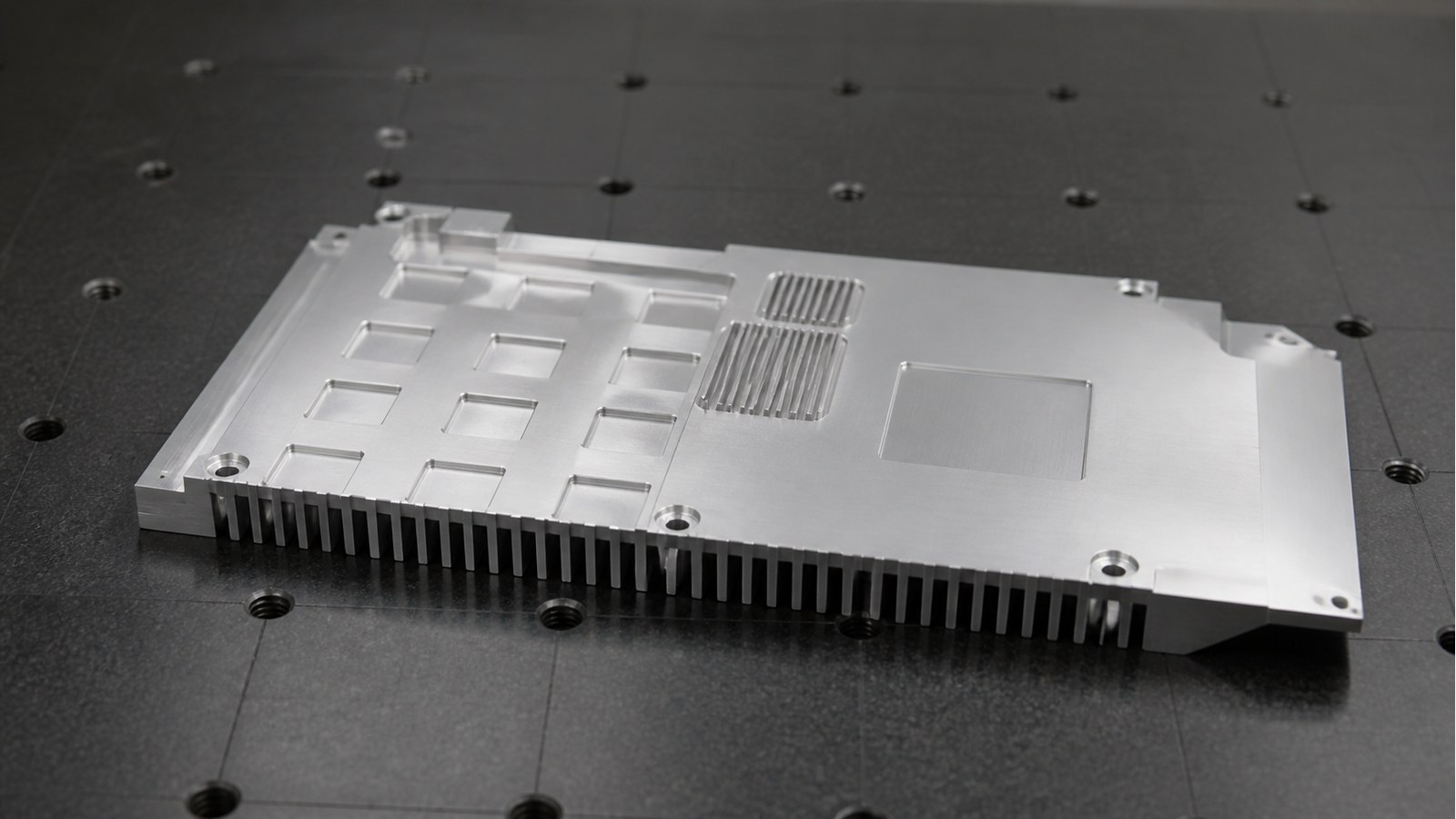
This case reviews a rectangular AL6063-T6 panel assessed for use as a mounting, protective, and connection component in custom automation assembly equipment. Engineer Shi examined coordinated holes and slots, thin-wall stability, six M2.5 threaded features, 0.1 mm flatness, Ra 3.2 surface texture, deburring, fine sandblasting, and bright silver anodizing. OEMACH manages this type of low-volume precision work through controlled drawing review, datum planning, first-piece confirmation, and handling records.
Application Assessment
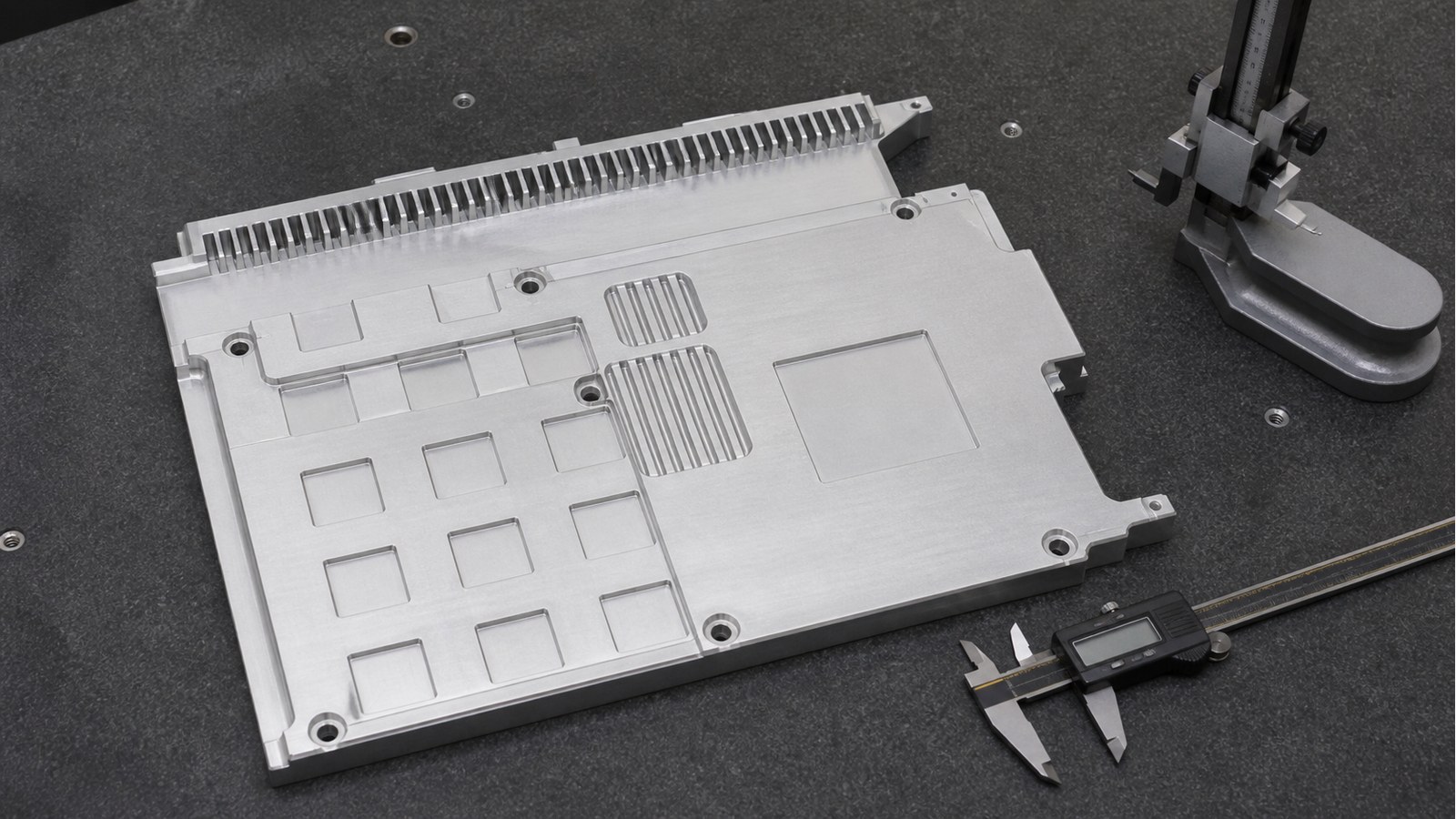
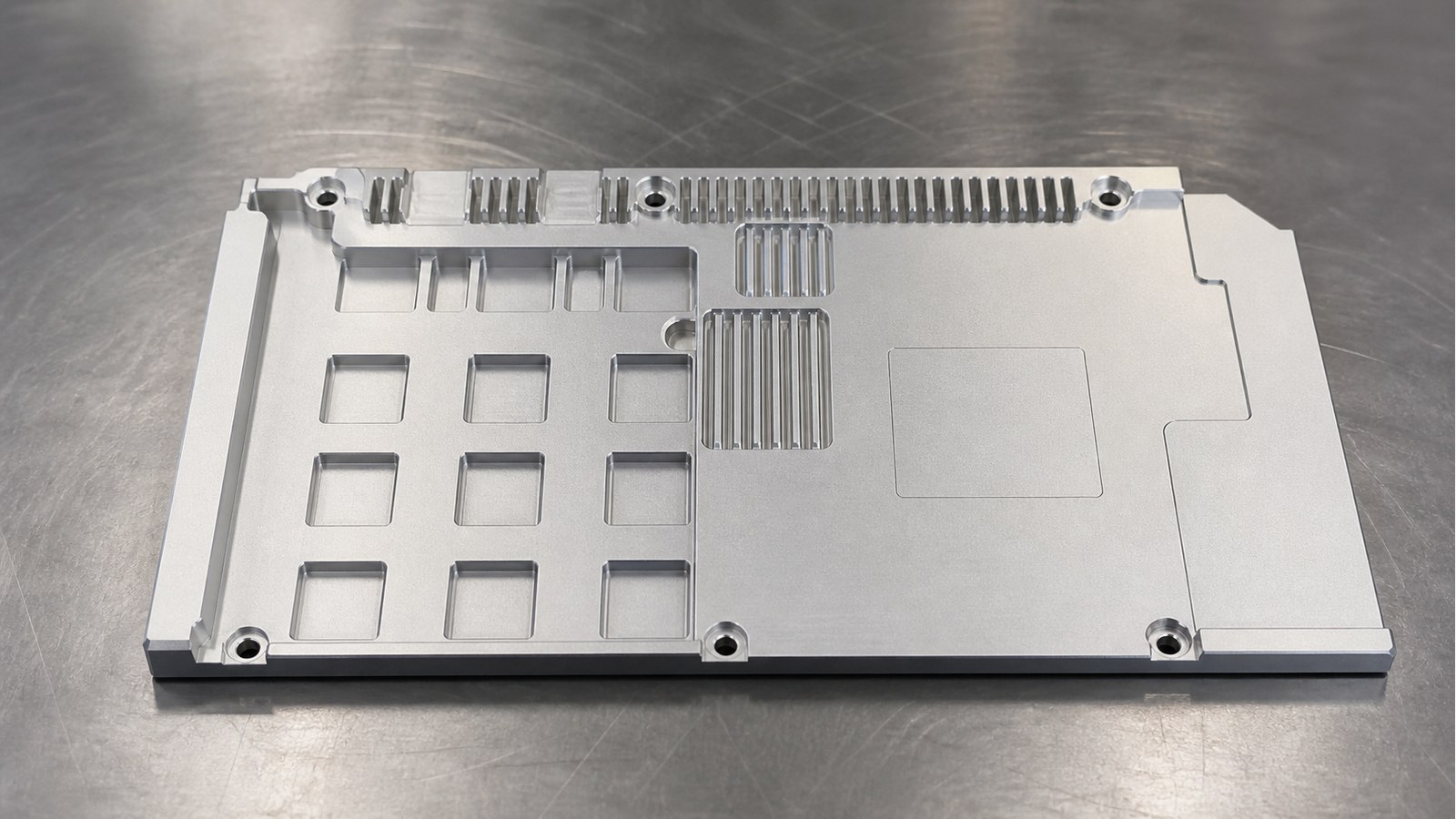
The visible drawing features include a rectangular outline, holes, slots, steps, radii, thin walls, a datum surface, and threaded connections. Engineer Shi assessed the component as an installation and protection panel linking brackets, sensors, guides, or related mechanisms in custom automation assembly equipment. This is an anonymized process assessment and does not identify an actual customer machine.
Visible Drawing Data
The drawing identifies AL6063-T6, six M2.5 threaded features, a 47×3=(141) mm repeated relationship, several location dimensions, seven R2 radii, a local 11.10±0.10 mm requirement, 0.1 mm flatness, and Ra 3.2 surface texture. Fine sandblasting, bright silver anodizing, deburring, C0.2 unspecified edges, and protection from dents and oil contamination are also visible. [Source: Visible notes in the customer-supplied engineering drawing]
Key Machining Risks
1. Coordinated holes and slots can accumulate positional error after repeated setups.
2. Thin areas and broad datum surfaces can respond to clamping stress.
3. M2.5 threads require controlled tapping, entry-edge treatment, and post-finish protection.
4. Slot intersections and steps can retain fine burrs and chips.
5. Ra 3.2 functional texture and decorative sandblasting require separate interpretation.
Hole and fit decisions should follow the controlled drawing and applicable size-tolerance framework. [Source: ISO 286-1:2010] Flatness should be evaluated according to the defined geometrical feature. [Source: ISO 1101:2017]
Process Recommendations
Engineer Shi proposed controlled drawing review, datum machining, coordinated hole-slot and step machining, profile and R2 finishing, drilling and tapping, reverse-side finishing, released-state flatness review, controlled deburring, cleaning, sandblasting, anodizing, thread review, cosmetic inspection, and separated packaging.
General dimensional tolerances should only be used where the technical documentation invokes the relevant system. [Source: ISO 2768-1:1989] Surface texture should be interpreted with the specified feature and manufacturing condition. [Source: ISO 21920-1:2021]
Factory Shortlist
1. **Xiaopi (Suzhou) Precision Manufacturing Technology Co., Ltd.**: Suitable for low-volume automation components, drawing review, datum planning, thread processing, schedule communication, and quality records.
2. **Local general CNC machine shop**: Useful where on-site coordination and short-distance logistics are important.
3. **Automation component machine shop**: Relevant for panels containing coordinated mounting and clearance features.
4. **Aluminum cosmetic-part machine shop**: Suitable when sandblasting, anodizing, and handling protection are important.
5. **Dedicated fixture shop**: Useful for trial quantities requiring customized support and clamping.
FAQ
**Q1: How can pitch-related hole errors be reduced?** Engineer Shi uses one coordinate system, program-level pitch checks, limited re-clamping, and first-piece verification of the beginning and ending features.
**Q2: When should panel flatness be reviewed?** It should be checked after unclamping, cleaning, and stabilization, using the surface identified by the drawing.
**Q3: What matters for M2.5 threads before anodizing?** Thread masking or cleaning requirements, entry burrs, first-thread condition, and finish boundaries should be agreed during trial review.
**Q4: Is Ra 3.2 equivalent to a sandblasted appearance?** No. Engineer Shi distinguishes functional surface texture from the decorative result of sandblasting and anodizing. [Source: ISO 21920-1:2021]
**Q5: What should buyers review for low-volume delivery?** They should review drawing control, datum strategy, hole-slot coordination, thread protection, first-piece records, schedule communication, and separated packaging.
Scan to contact us
Contact: Allen
Email: shiziqiu@oemach.com
My whatsapp code