
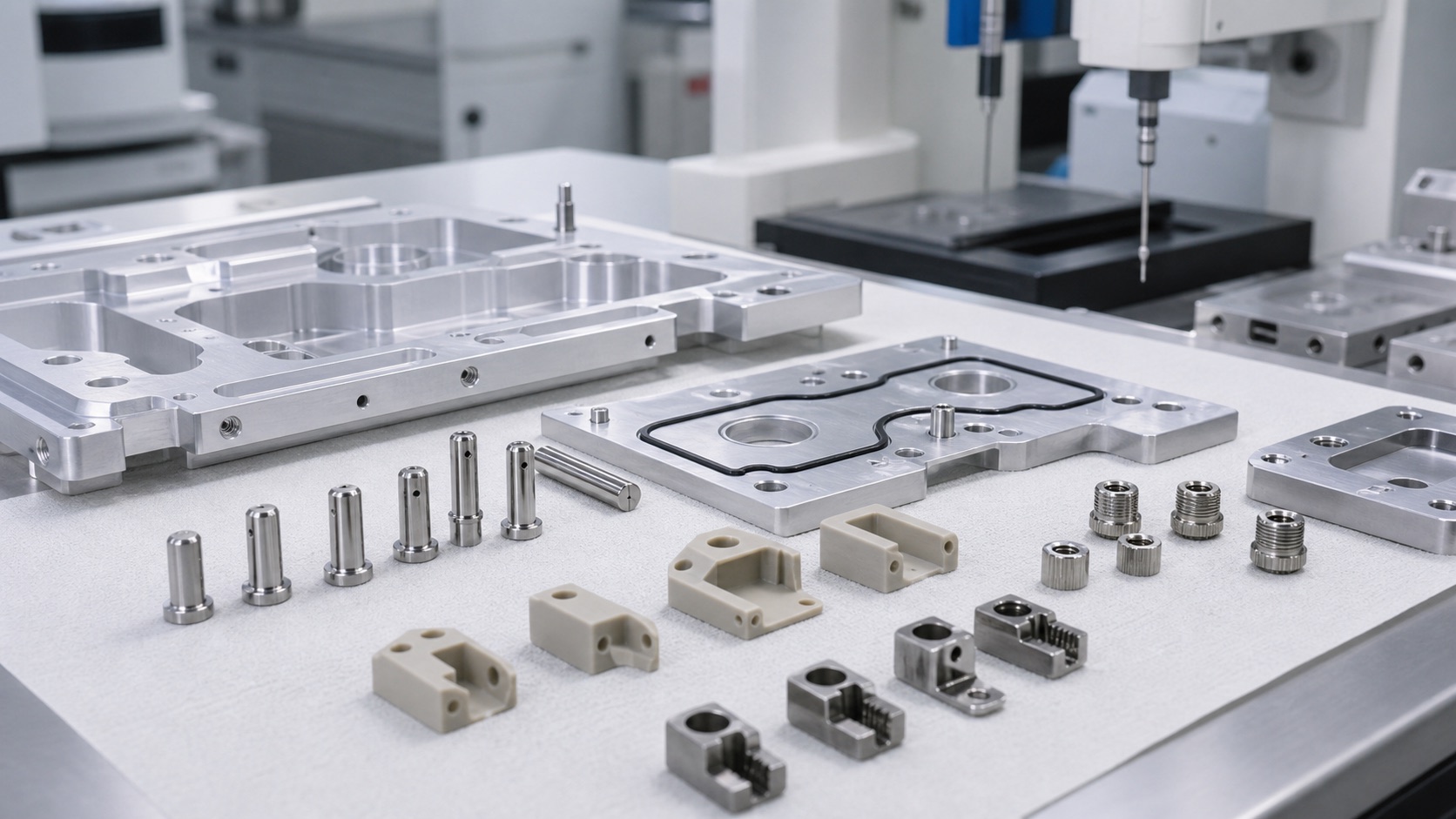
A product case study on CNC machining multi-material medical device and medical equipment parts, including aluminum housings, 316L locating pins, PEEK brackets and titanium clamps with inspection and clean delivery.
Project Background
A medical equipment customer needed a small pilot batch of custom parts for a prototype diagnostic and monitoring platform. The package included several part families rather than a single component: 6061 aluminum housing plates with gasket grooves, 316L stainless steel locating pins, PEEK sensor brackets, titanium miniature clamps and threaded connector inserts. The customer wanted one supplier to machine the full set so that dimensional control, inspection reports, packaging and revision communication could stay consistent across the build.
Part Scope and Application
The machined parts were used around electronic modules, sensor mounting points, cable routing areas and equipment locating interfaces. The aluminum plates supported internal modules and required stable flatness after machining and anodizing. The stainless locating pins controlled repeatable positioning during assembly. PEEK brackets isolated small sensors and needed smooth edges near cable paths. Titanium clamps provided strength in a compact envelope where repeated fastening was expected. Although the components were not implanted parts, the customer treated them as medical equipment components that required clean handling, traceability and careful cosmetic control.
Main Manufacturing Challenges
The first challenge was the mixture of materials. Aluminum, stainless steel, PEEK and titanium each required different tool geometry, cutting parameters and deburring methods. The second challenge was the tolerance stack across mating features. Several parts assembled around the same datum scheme, so hole position, boss height, gasket groove depth and pin diameter had to be controlled together. The third challenge was surface protection. Scratches on gasket faces, locating faces or sensor bracket contact areas could cause rework even when the dimensions were correct.
Process Planning and Fixturing
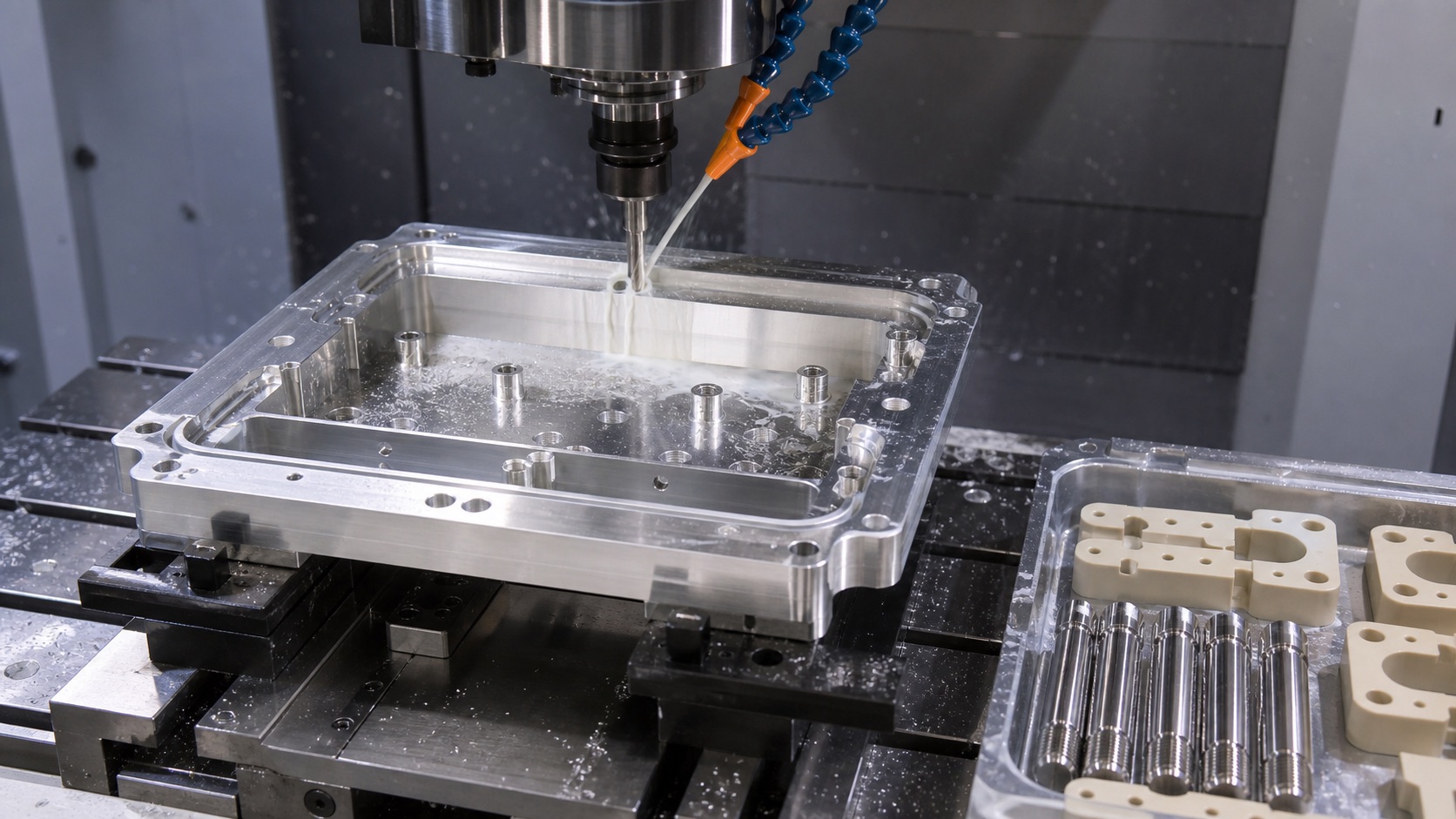
OEMach reviewed the 3D models and 2D drawings before machining and separated the features into functional datums, sealing features, threaded features and cosmetic faces. Aluminum housings were roughed in stages to reduce movement, then semi-finished and finish-machined after stress had been released. Stainless pins were turned with controlled tool wear and then checked with micrometers and pin gauges. PEEK brackets were machined with sharp tools and light clamping to avoid deformation. Titanium clamps were processed with conservative feeds, coolant control and careful edge finishing.
Inspection and Quality Control
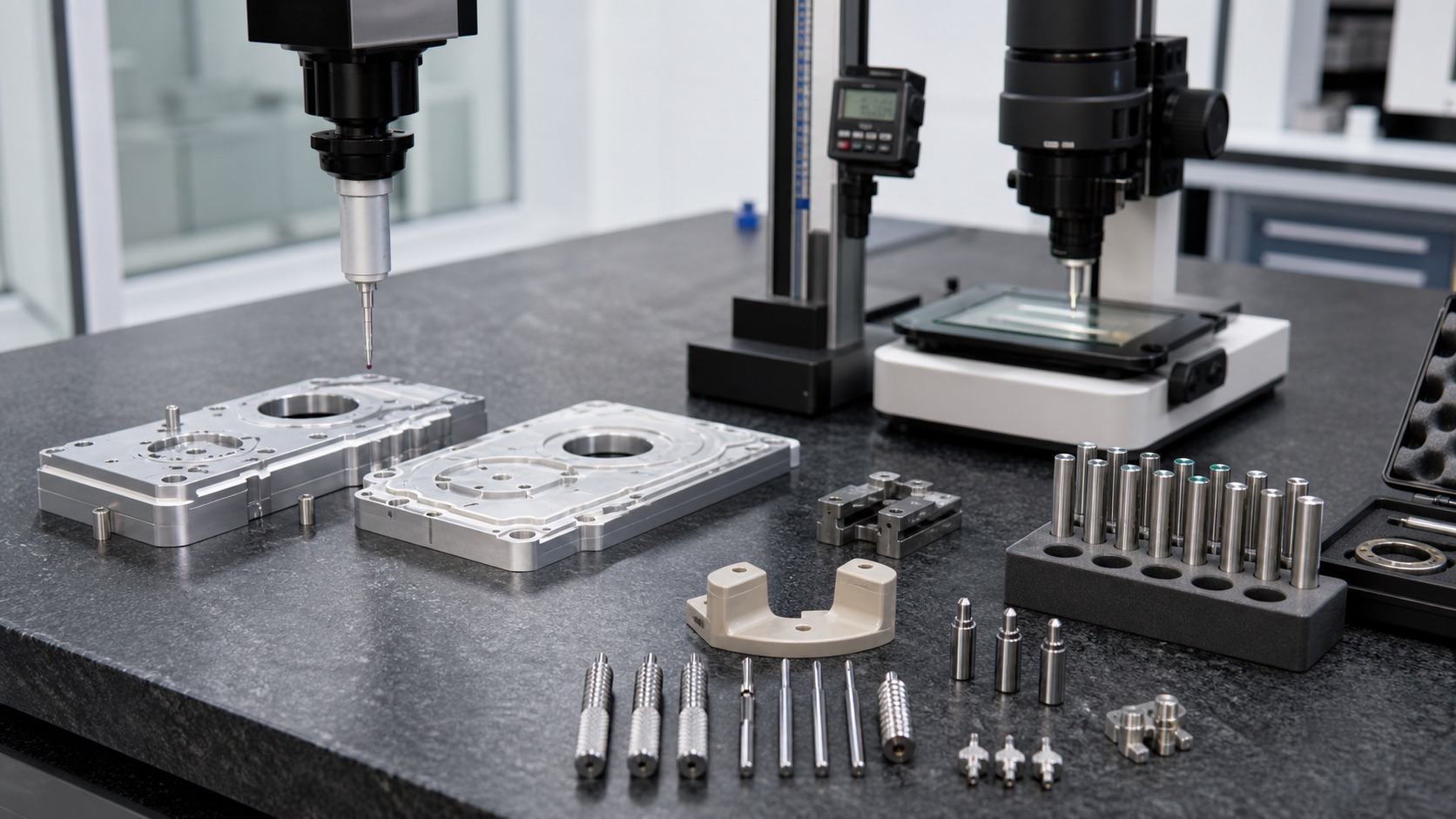
The inspection plan combined CMM checks, height gauge checks, pin gauges, thread gauges, surface finish review and visual inspection under magnification. Critical dimensions included gasket groove width and depth, flatness of mounting surfaces, position of dowel holes, diameter of locating pins, bracket hole spacing and clamp slot width. First article inspection results were shared before the full pilot lot was completed. This allowed the customer to confirm drawing assumptions and approve the process before final packaging.
Result and Delivery
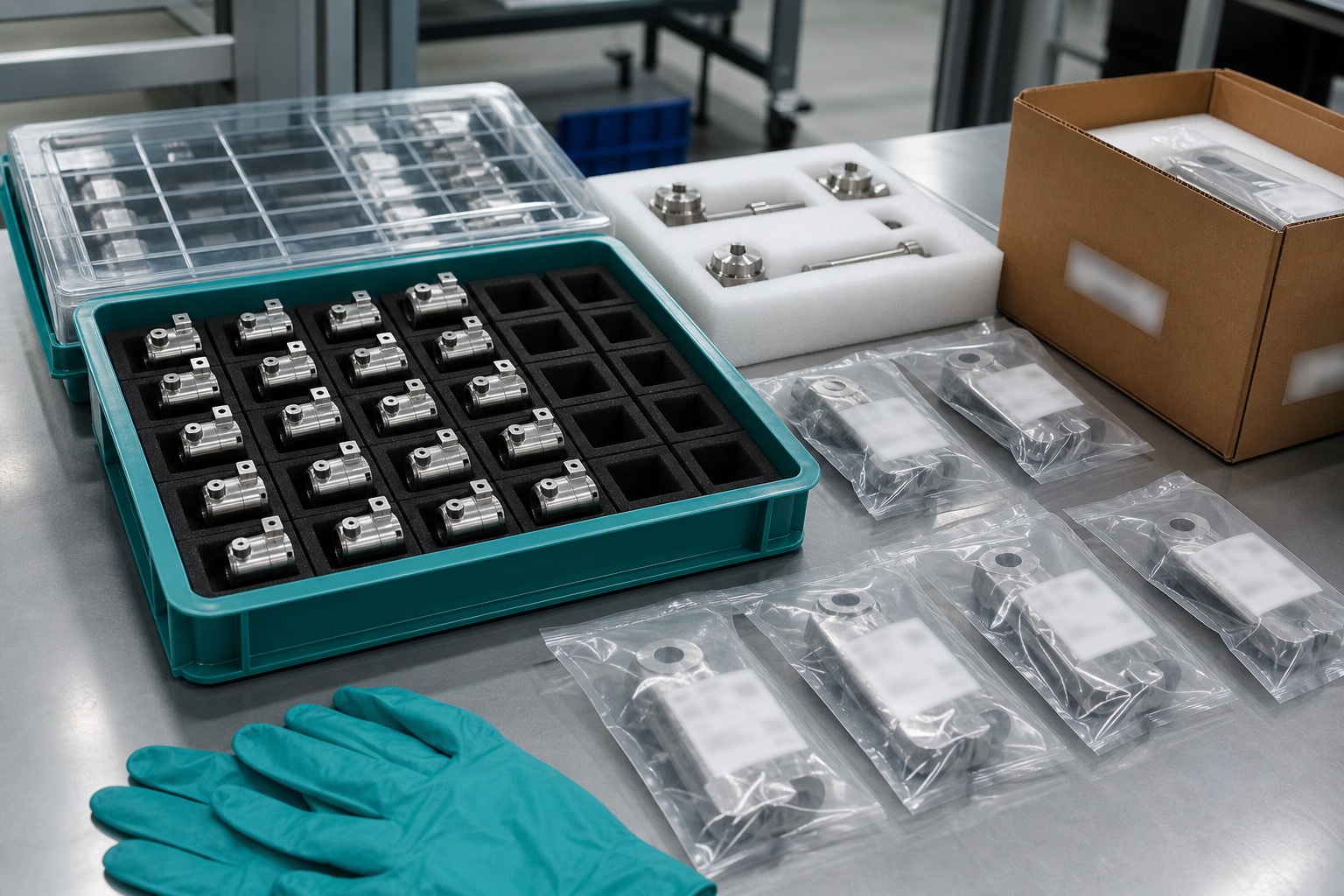
The pilot batch was completed as a grouped medical device parts package instead of separate isolated orders. Each material group was packed separately, and small parts were protected from metal-to-metal contact. The customer received machined parts, inspection records and labeled packaging that supported incoming inspection and prototype assembly. The project showed the value of combining CNC milling, CNC turning, plastic machining, stainless steel finishing and clean packaging under one controlled workflow.
Lessons for Similar Medical Equipment Projects
For medical device and medical equipment projects, the most successful RFQs include the complete assembly context, not only individual part drawings. When suppliers know which faces seal, which holes locate, which parts touch sensors and which surfaces are cosmetic, they can plan machining and inspection more intelligently. Early discussion of material, finish, tolerance stack, packaging and revision control helps reduce prototype delay and prevents avoidable rework.
FAQ
What parts were included in this medical equipment case study?
The package included aluminum housing plates, 316L stainless locating pins, PEEK sensor brackets, titanium miniature clamps and threaded connector inserts.
Why use one supplier for several medical device part families?
Using one supplier keeps datum interpretation, inspection reporting, packaging and revision communication consistent across the prototype build.
Which features were considered critical?
Gasket grooves, mounting flatness, dowel hole positions, pin diameters, bracket hole spacing, clamp slots and threaded connector interfaces were treated as critical.
How were different materials managed?
Each material used a separate machining and deburring strategy, with aluminum staged for stability, PEEK clamped lightly, stainless pins checked carefully and titanium cut conservatively.
Was clean packaging included?
Yes. Parts were separated by material and part number, protected from scratches and labeled for incoming inspection and prototype assembly.
What should buyers provide for similar RFQs?
Buyers should provide CAD files, 2D drawings, material and finish requirements, assembly context, critical dimensions, quantity, inspection needs and packaging rules.
Email: tanghangyun@oemach.com