
The fastest threading method is not always the lowest-risk method. The process must produce the required profile, pitch, effective length, axis relationship and assembly fit without unacceptable tool-breakage or part-scrap exposure.
Thread turning suits rotational parts and external or larger internal threads. Thread milling offers flexible helical interpolation and controlled tool removal. Tapping is usually the fastest route for standard internal threads when material, hole geometry and volume are suitable.
The decision should be made together with pilot-hole design, runout space, coolant, coating allowance and inspection.
Selection boundaries for three CNC threading methods
| Method | Best fit | Main advantage | Main risk or control |
|---|---|---|---|
| Thread turning | Rotational parts, external threads and larger internal threads | Flexible profile and pitch control on a lathe | Runout, tool deflection, synchronization and part concentricity |
| Thread milling | Blind holes, larger diameters, difficult materials and high-value parts | Low cutting engagement, controlled exit and easier broken-tool recovery | Helical programming, tool cost, machine interpolation and cycle time |
| Tapping | Standard internal threads and repeat production | Fast cycle and simple standard-tool workflow | Pilot hole, chip packing, tap breakage, alignment and limited flexibility |
| Inspection | All threaded features | Functional verification of assembly intent | GO/NO-GO, effective depth, burrs, cleanliness and post-coating fit |
Define The Thread And Its Acceptance First
Specify internal or external form, standard, nominal size, pitch, class, handedness, effective length and whether the hole is through or blind. The drawing should distinguish drilled depth from full-thread depth and include any required runout or undercut.
The mating part, plating or anodizing, cleanliness and torque condition can influence acceptance. A thread that looks complete may still fail a functional gauge or bottom out before achieving the required engagement.
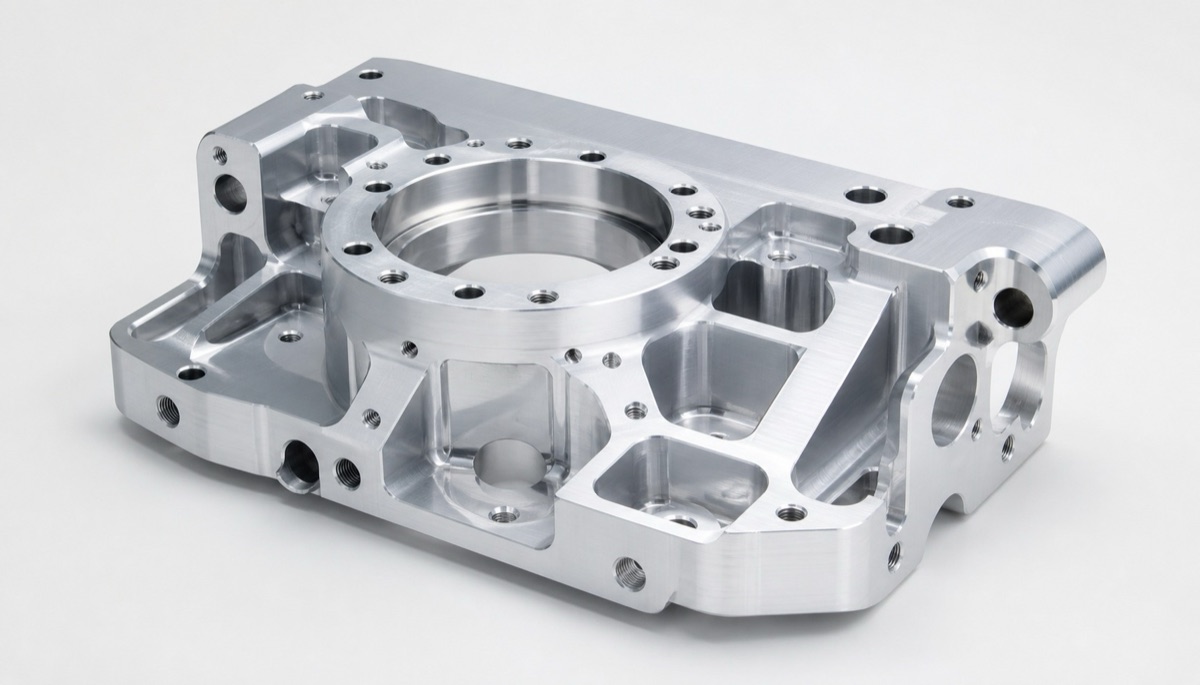
External and internal threads, blind holes, side holes and thin sections may require different threading methods on the same part.
When Thread Turning Is The Natural Choice
Single-point turning is efficient for external threads and larger internal threads on rotational components. Insert geometry or a ground tool can support standard and special profiles, and pitch changes are managed through machine synchronization and programming.
The setup must control runout, tool overhang and relief at the thread end. Thin-wall parts may distort under chucking, while small internal diameters can restrict boring-bar stiffness and chip evacuation.
Why Thread Milling Reduces Risk In Difficult Holes
A thread mill follows a helical path and does not occupy the full thread cross-section like a tap. This reduces cutting load and allows the tool to leave the hole if the cycle is stopped, which is useful for high-value parts, blind holes and difficult materials.
One suitable cutter can often produce multiple diameters with the same pitch and profile, and size compensation can be adjusted in the program. The tradeoff is longer cycle time, interpolation accuracy and higher programming and tool cost.
When Tapping Is Still The Most Productive Method
Tapping is hard to beat for common internal threads in suitable materials and meaningful quantities. Rigid tapping synchronizes spindle and feed, while the selected tap geometry must match through-hole or blind-hole chip direction.
Pilot-hole diameter, chamfer, lubricant and usable depth are critical. In blind holes, chips and the tap lead require extra bottom clearance. A broken tap in an expensive part can dominate the apparent cycle-time saving.
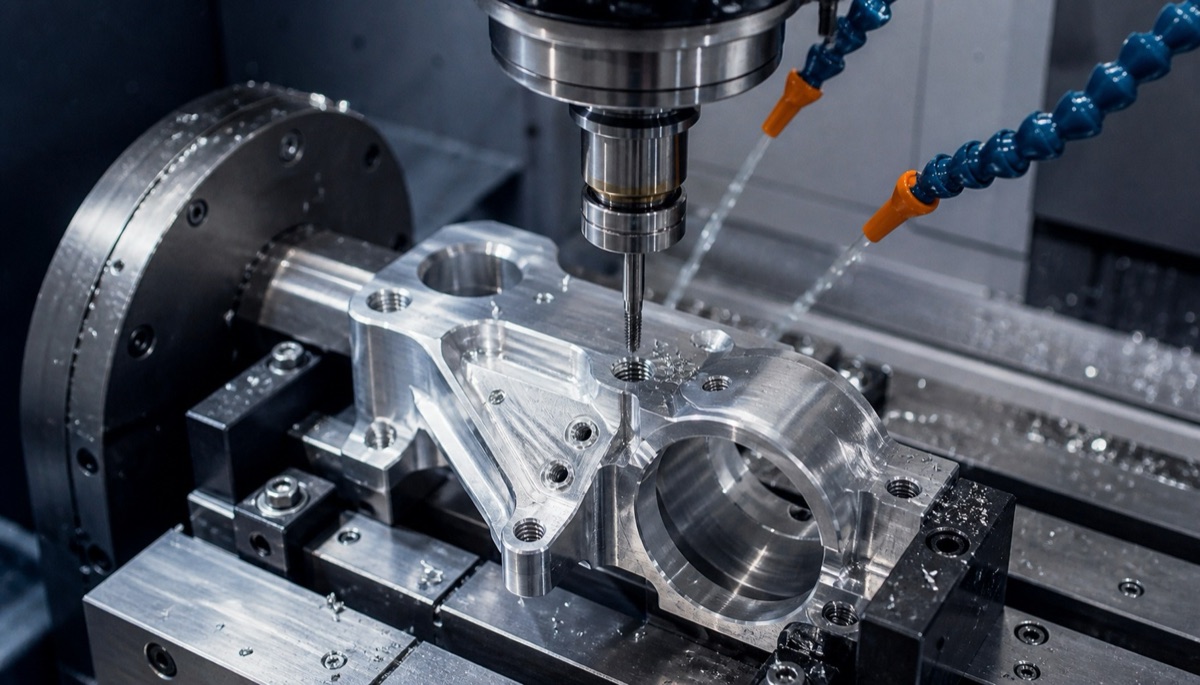
Tapping is productive for standard internal threads when pilot-hole size, alignment, lubrication and chip evacuation are controlled.
Blind Holes, Coatings And Inspection Change The Decision
Stainless steel, high-strength alloys, thin walls and deep blind holes narrow the tapping window. Thread milling may offer a more controlled failure mode, while turning remains appropriate when the part and thread are concentric rotational features.
Inspection can combine GO/NO-GO gauges, thread micrometers or three-wire measurement, optical profile checks and a mating-part trial. The method depends on internal or external form, size and drawing requirements. After coating, effective fit and cleanliness should be checked again.
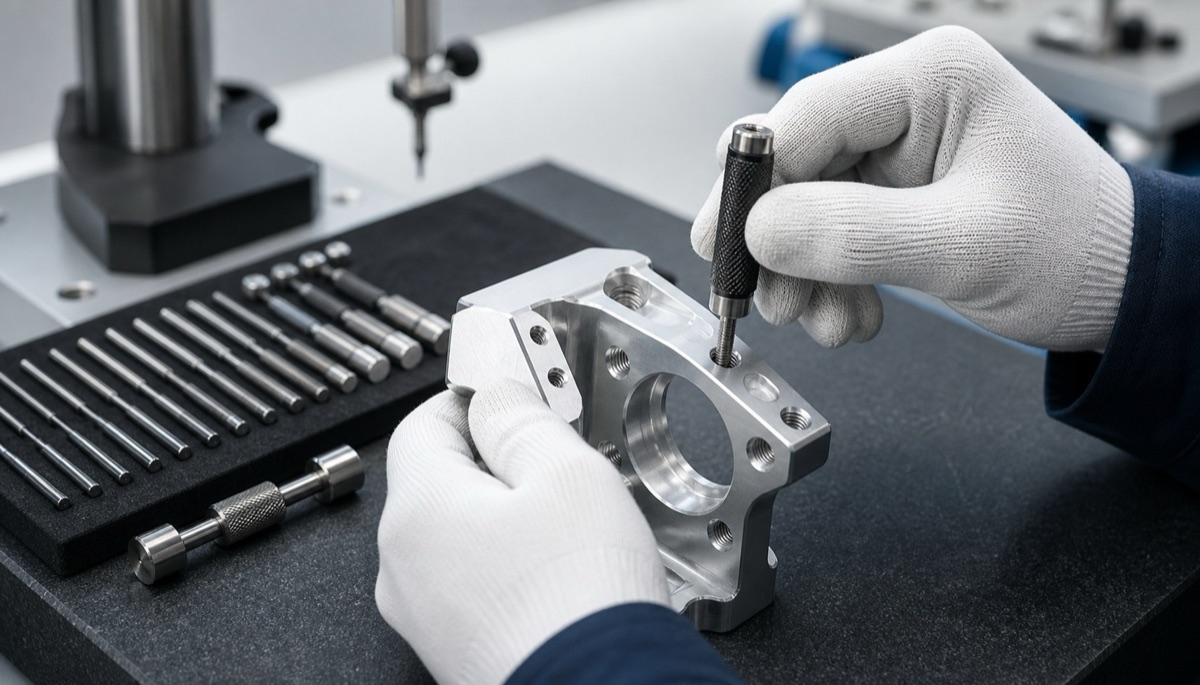
Acceptance should verify GO/NO-GO condition, effective depth, entrance condition and assembly after any coating or cleaning step.
Information To Send Before Quotation
A complete RFQ lets the supplier select the threading process and price the real risk rather than assume a generic tapped hole.
- Thread standard, size, pitch, class, handedness and effective length
- Internal or external form, through or blind hole, drill depth and bottom clearance
- Material, hardness, heat treatment, thin-wall condition and required concentricity
- Quantity, changeover frequency, tool-breakage risk and repair restrictions
- GO/NO-GO criteria, mating-part test, coating allowance and cleanliness requirements
Summary
Use thread turning for rotational external and larger internal threads, thread milling for flexible low-risk production in blind, difficult or high-value features, and tapping for fast standard internal threads. Pilot-hole design, material, effective depth, coating and inspection complete the decision.
FAQ
Why is thread milling often preferred for stainless blind holes?
Chip evacuation and tap breakage are harder to manage in a blind hole. Thread milling uses lower engagement and can usually retract without leaving a full-size broken tap in the part.
Is tapping always faster than thread milling?
The cutting cycle is usually faster, but total cost must include tap breakage, pilot-hole control, rework, inspection and the value of the part at risk.
Can one thread mill cut different thread diameters?
Often yes when pitch and profile are the same and the cutter is suitable, because diameter is generated by the programmed helical path.
Does a tapped hole need an entrance chamfer?
Usually yes. A controlled chamfer supports tool entry, protects the first thread and improves assembly, but it should not reduce the required effective engagement.
Ready to get a quote for your CNC machined parts?
Submit your engineering drawings to qiancj@oemach.com. We support prototype sampling and small-batch production with strict tolerance control.