
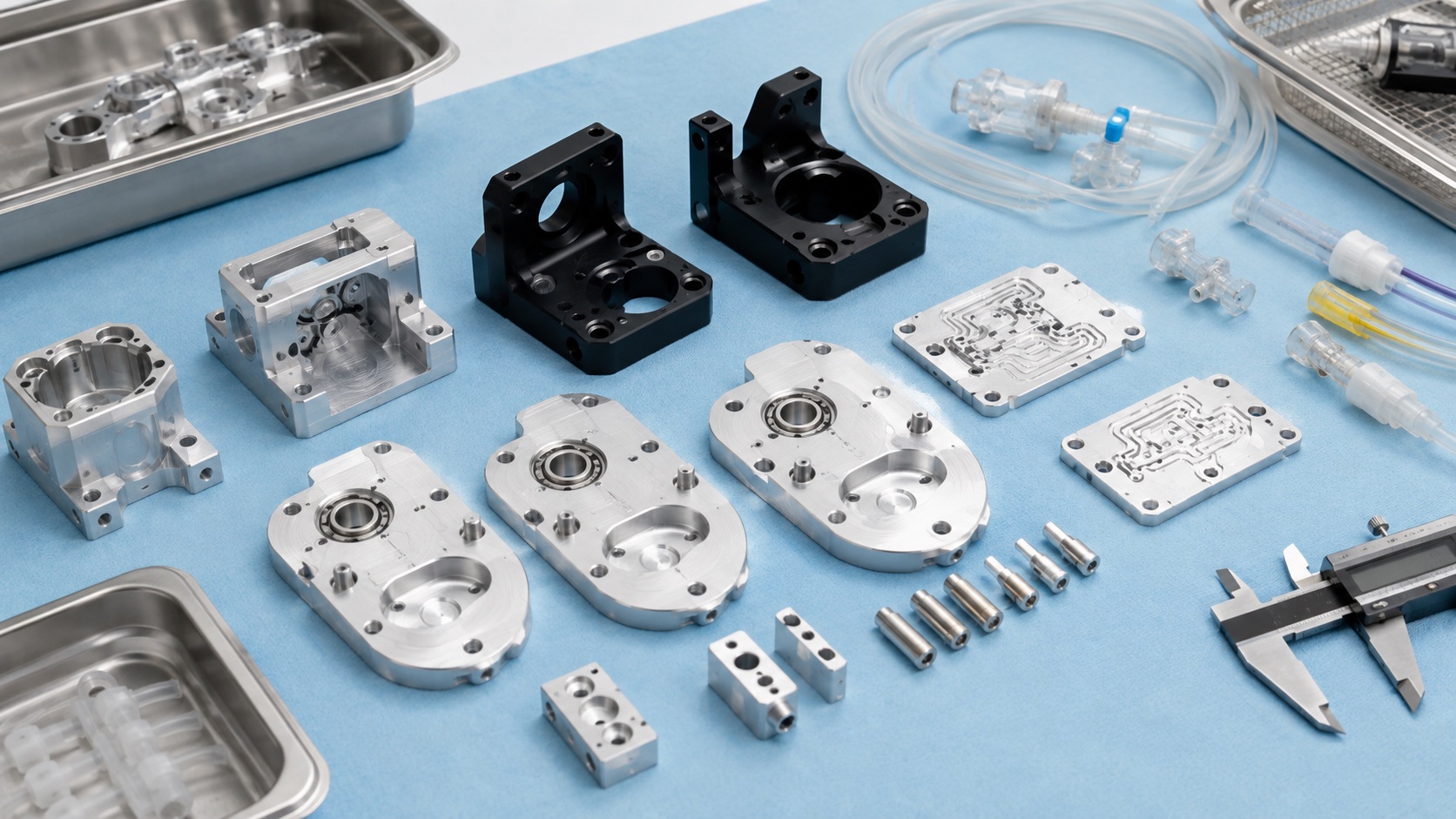
Infusion pumps depend on small mechanical parts that guide tubing, hold rollers and keep motor alignment stable during long operating cycles. CNC machining is useful because it can control bearing pockets, pin bores, tubing radii and mounting datums in one compact component family.

Application Requirements
Typical machined parts include peristaltic roller carriers, motor brackets, valve plates, sensor housings, tubing guides and stainless shafts. These parts do not usually touch medication directly, but they shape the mechanical path that controls flow accuracy, repeatability and service life.
The key challenge is the relationship between the motor centerline, roller bearing pockets and tubing compression path. A small shift in hole position can change roller pressure. A burr on a guide radius can damage tubing. A warped bracket can create motor noise or unstable pump performance.
Materials And Machining Strategy
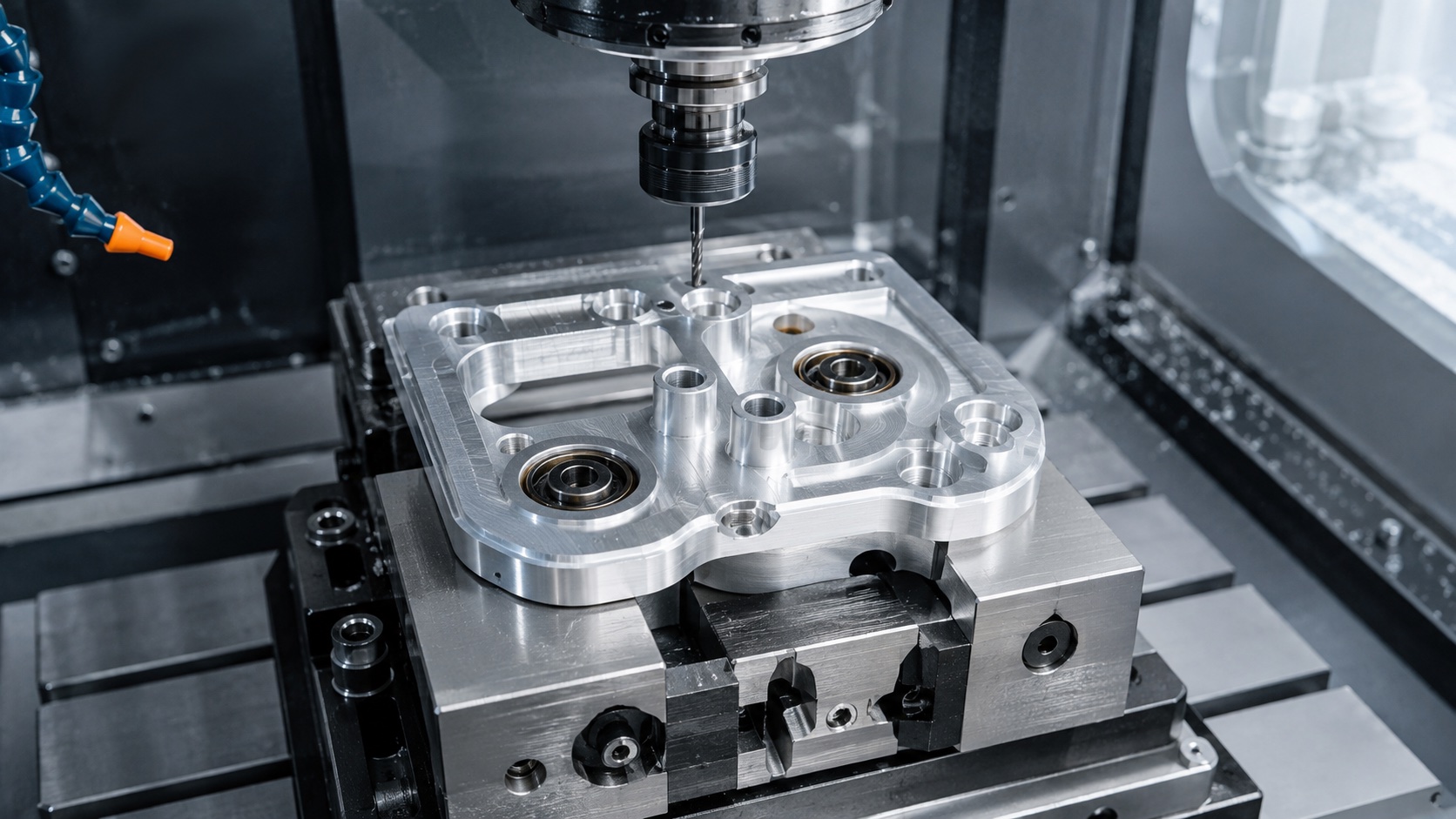
6061-T6 aluminum is widely used for roller carriers and brackets because it machines cleanly, keeps weight low and responds well to anodizing. Stainless steel is used for pins, shafts and wear areas. Some tubing guides or isolators may use PEEK, acetal or other engineering plastics when chemical compatibility or low friction is needed.
Fixture planning should protect the functional datums. Bearing pockets and pin bores are usually finished after roughing and stress movement have stabilized. Tubing guide radii should be machined with stable tools and finished with controlled deburring rather than aggressive hand polishing.
Inspection And Clean Delivery
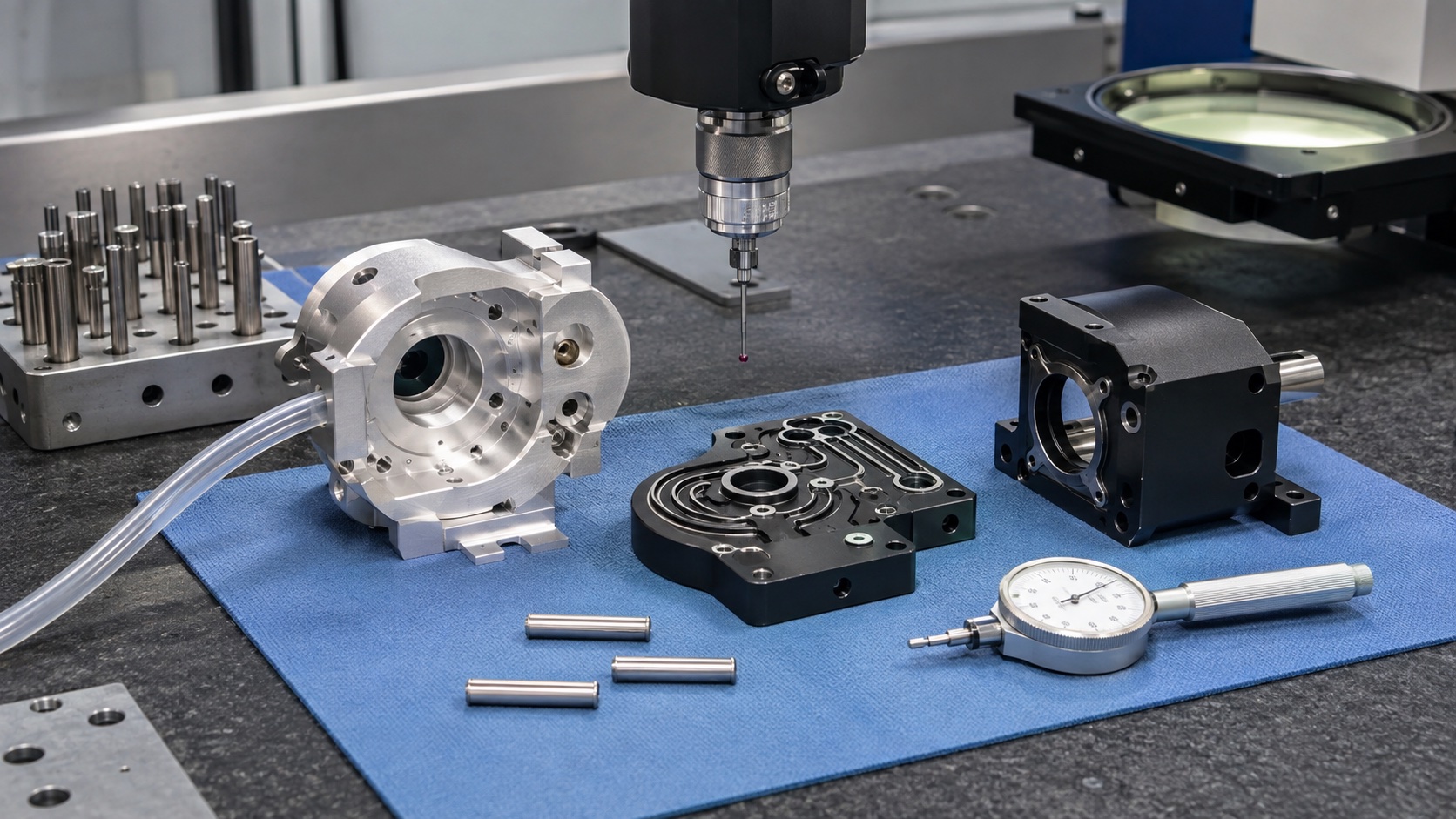
Quality control normally combines CMM measurement, gauge pins, height checks, bearing fit checks, surface roughness review and visual inspection under magnification. The goal is to confirm that the carrier supports smooth roller rotation while keeping the tubing path consistent.
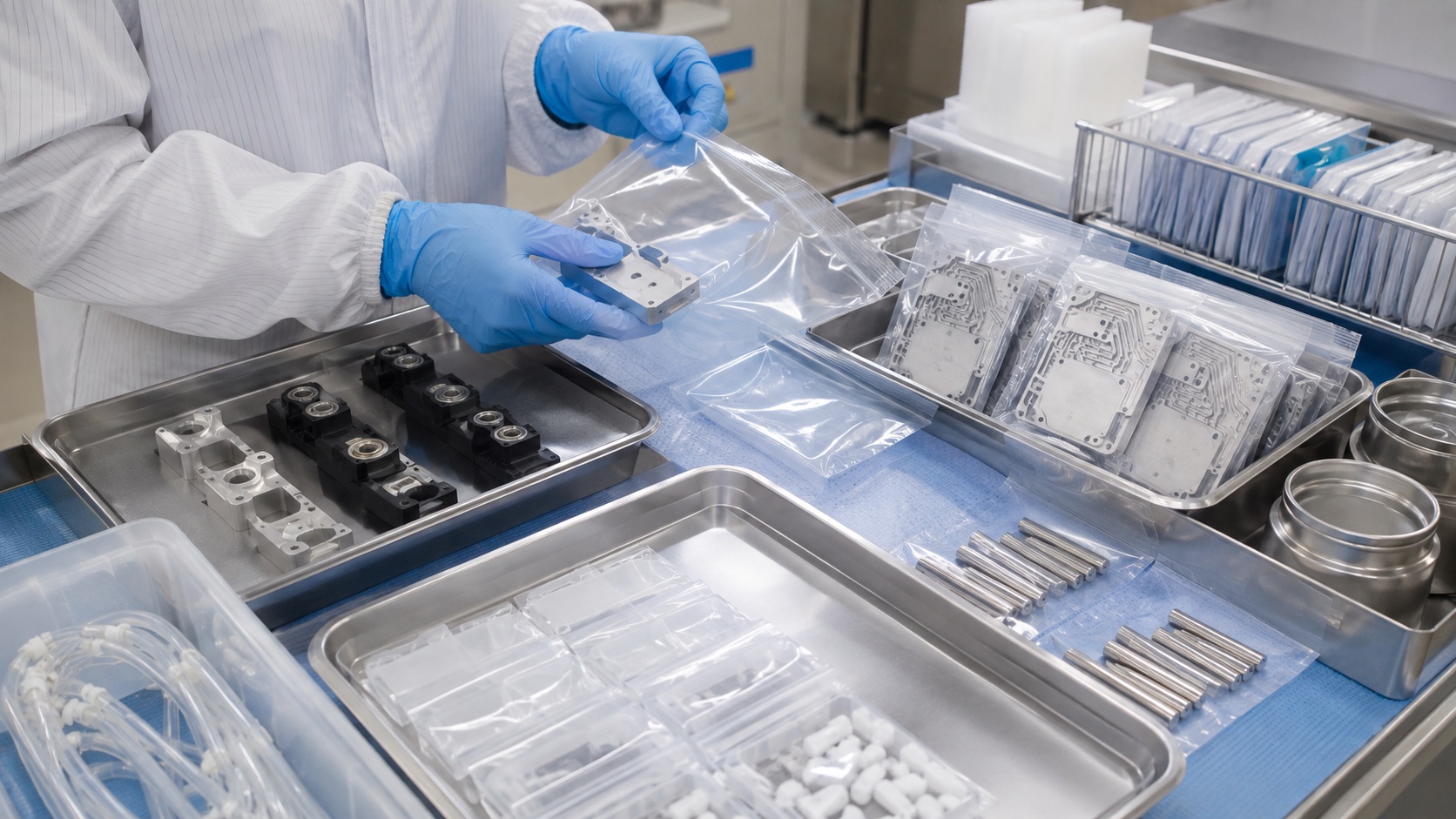
After inspection, components are cleaned, dried and separated so that bearing seats, anodized surfaces and tubing contact areas are protected. Clear bags, foam inserts and lot labels support traceability for prototype builds and production batches.
Conclusion
CNC machining for medical infusion pump parts is a detail-driven process. Material choice, datum control, burr prevention, dimensional inspection and clean packaging work together to support flow accuracy and reliable device assembly.
FAQ
Which infusion pump parts are suitable for CNC machining?
Roller carriers, motor brackets, valve plates, sensor housings, tubing guides and stainless pins are common CNC parts in infusion pump assemblies.
Why is 6061-T6 aluminum often selected?
6061-T6 provides stable machining, light weight, good anodizing response and enough strength for compact medical device housings and carriers.
What tolerances are critical for a roller carrier?
Bearing pocket diameter, roller pin position, motor alignment holes, tubing guide radius, flatness and burr-free edges are the main control points.
How are tubing contact surfaces managed?
Guide radii are machined with smooth transitions, deburred carefully and inspected so the tube path is consistent without sharp edges.
Can these components be anodized?
Yes. Clear or hard anodizing can be applied to aluminum parts, with masking used for bearing seats or electrical grounding faces when required.
How are parts packaged after inspection?
Parts are cleaned, separated with foam, protected in clear pouches and identified by batch, revision and inspection status.
Contact: tanghangyun@oemach.com