
After a robot part prototype fails, the least useful first question is whether it was the factory's fault or the design team's fault. A more useful review separates the whole chain: drawing definition, material choice, machining process, inspection basis and assembly validation.
A part can pass a dimensional check and still fail assembly. A drawing may omit GD&T while assembly requires bore-to-face alignment. A material note may say aluminum without specifying temper. A supplier may machine to size without warning about thin-wall risk.
OEMach uses drawing review notes, process suggestions, material records, first-article inspection and assembly feedback as the basis for prototype failure analysis.
How to Split Responsibility After Robot Prototype Failure
| Source of issue | Typical symptom | Main evidence | Review action |
|---|---|---|---|
| Incomplete drawing definition | Dimensions pass but the part cannot assemble or datum logic is unclear | Missing GD&T, assembly datum or functional surface notes | Add 2D drawing, tolerance system and assembly relationship |
| Material mismatch | Strength is low, deformation appears or surface finish is unstable | Material grade, temper or heat-treatment requirement is unclear | Confirm material state, load condition and post-treatment needs |
| Unstable machining process | Thin-wall deformation, hole drift or roughness failure | No DFM review, unclear clamping method or missing process route | Request process route and first-article records |
| Different inspection basis | Supplier says pass while customer assembly says fail | Different datums, tools, environment or measurement method | Unify inspection datum and acceptance method |
| Assembly validation change | Single part passes but whole machine interferes or makes noise | Design iteration or adjacent-part change was not synchronized | Track version number and close the assembly feedback loop |
When Is the Machining Supplier Responsible?
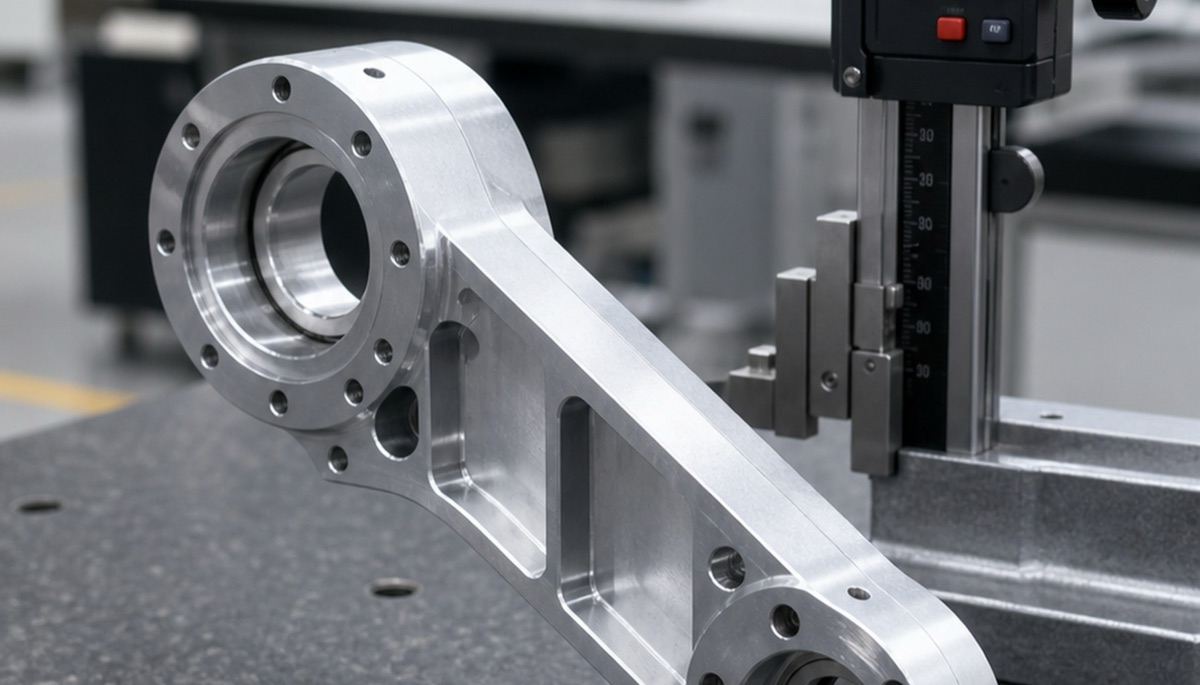
If the drawing, material, quantity and acceptance standard were clear, but the supplier did not meet dimensions, GD&T, surface finish or documented quality requirements, responsibility usually leans toward machining execution.
Evidence should include first-article inspection reports, CMM data, material certificates, machining version records, surface-treatment records and abnormal-issue communication. Without records, both sides are left arguing from memory.
When Is the Design Input Incomplete?
Some failures look like machining failures but start from missing design input. Common examples include only sending a 3D model, omitting critical 2D tolerances, leaving coaxiality, perpendicularity or flatness undefined, or not explaining load direction and locating method.
Surface treatment can also create disputes. If coating thickness, color, masking and final acceptance state are vague, the result may be technically machined well but still fail customer expectations.
Build a Prototype Review Sheet
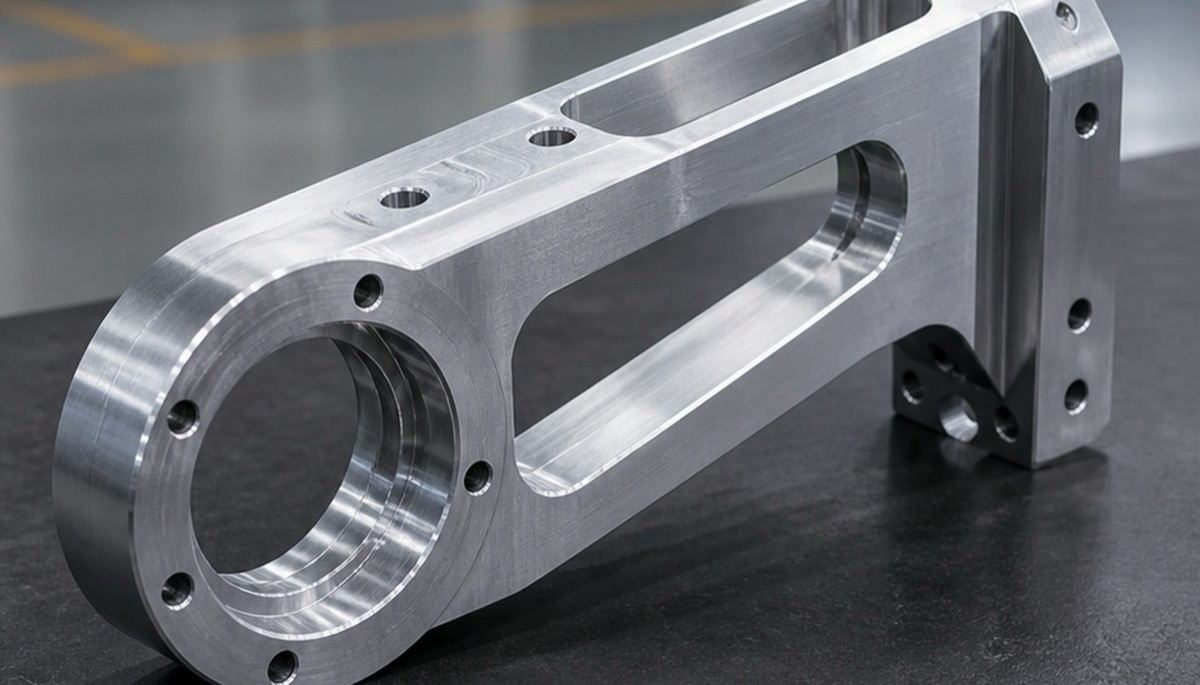
A review sheet should record drawing version, material batch, process route, fixture notes, inspection report, surface-treatment record and assembly feedback. The goal is not only to assign blame; it is to prevent the next sample from failing for the same reason.
In one robot bracket review, OEMach found that the failure came from inconsistent datum expression rather than a single bad dimension. After the drawing and process route were clarified, the following small-batch delivery became more stable.
Define Responsibility Before Sampling
Before machining begins, the customer should provide functional input, drawing version and acceptance criteria. The supplier should provide DFM review, machining process planning, risk feedback, execution records and inspection data.
For R&D teams, the better partner is often the factory that can identify risk early and keep records, not the one that only gives the lowest price.
RFQ and Review Checklist
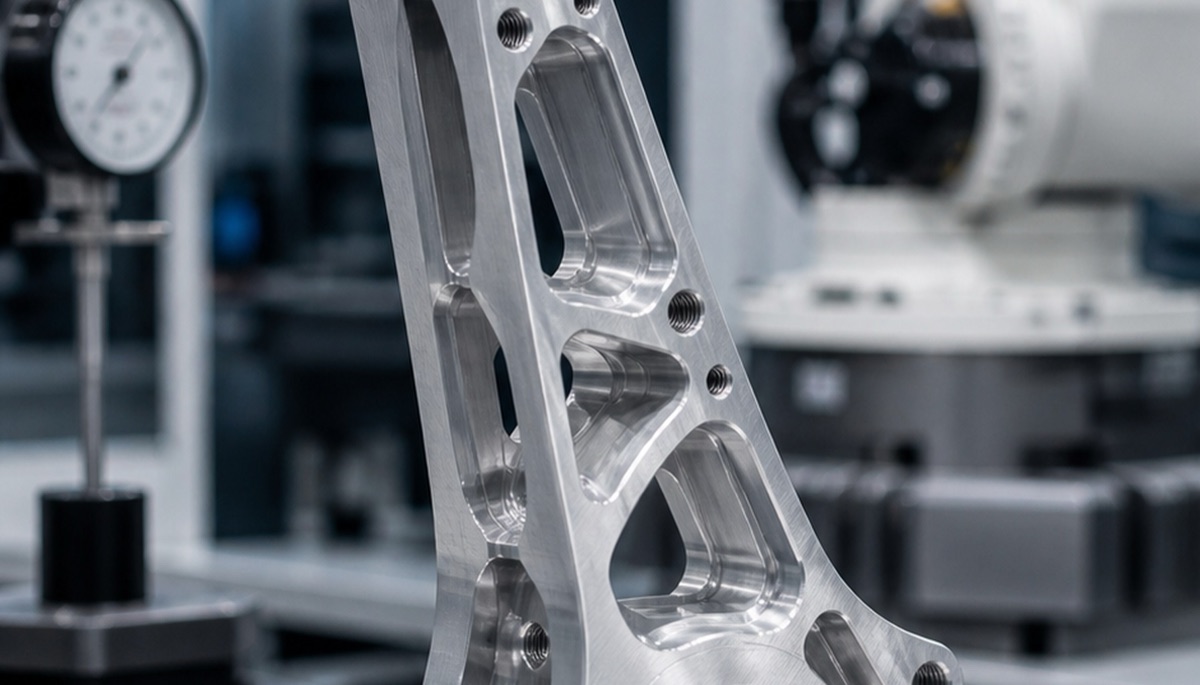
- Send the latest STEP file and controlled 2D drawing version together.
- Mark functional faces, assembly datums, GD&T and inspection method.
- Confirm material grade, temper, heat treatment and surface treatment state.
- Ask for process-route notes when thin walls, tight bores or post-treatment dimensions matter.
- Collect first-article data and assembly feedback in one review record.
Common Mistakes
The first mistake is assuming every prototype failure means the supplier is incapable. Many failures begin with missing drawing, assembly or validation information.
The second is checking only final size without confirming the measurement datum. Different datums can produce opposite pass/fail conclusions.
The third is weak version control. Robot parts iterate quickly, so drawing versions and machining versions must correspond one-to-one.
Summary
Robot prototype failure responsibility should be reviewed through evidence, not guesswork. Separate drawing definition, material selection, machining process, inspection basis and assembly validation, then update the next sample plan from that review.
FAQ
Is prototype failure always the machining supplier's fault?
No. It should be judged from drawing completeness, material requirements, process records, inspection basis and assembly feedback.
Can a robot part be prototyped from only a 3D model?
A preliminary quote is possible, but high-precision robot parts should include 2D drawings and critical tolerances to avoid acceptance disputes.
Should a supplier proactively warn about risk?
A professional supplier should flag thin-wall, material, surface-treatment and critical tolerance risks and keep communication records.
What records are useful for failure review?
Drawing version, material certificate, process route, first-article report, surface-treatment record and assembly feedback are all useful.
Can OEMach help review prototype failure causes?
Yes. OEMach can review drawings, samples and inspection data to identify likely failure causes and suggest process changes for the next build.
Ready to get a quote for your CNC machined parts?
Submit your engineering drawings to qiancj@oemach.com. We support prototype sampling and small-batch production with strict tolerance control.