
Custom precision parts should not be quoted by asking only whether CNC can make them. The safer starting point is to separate the part by function: locating faces, guide holes, bearing fits, clearance profiles, hardened areas and cosmetic surfaces do not need the same process.
CNC machining is efficient for the main shape, pockets, steps, holes and threads. Grinding is better for high flatness, high parallelism, fine surface finish and hardened reference faces. Wire EDM is useful for narrow slots, sharp internal corners, high-hardness materials and accurate 2D profiles.
OEMach reviews function, material state, heat treatment, surface treatment and inspection basis before choosing a CNC-only route or a combined CNC, grinding and wire EDM process.
How CNC, Grinding and Wire EDM Work Together
| Process | Best for | Precision value | Not ideal for |
|---|---|---|---|
| CNC machining | Main shape, pockets, steps, holes, threads and regular assembly faces | Fast material removal and flexible 3D geometry | Very high flatness after hardening or ultra-fine reference faces |
| Surface or cylindrical grinding | Datums, rail seats, spacer faces, hardened precision surfaces | Improves flatness, parallelism, thickness control and surface finish | Large stock removal or complex 3D shapes |
| Wire EDM | Narrow slots, sharp inside corners, hardened steel, accurate 2D profiles | Stable kerf and low cutting force on hard materials | Fast roughing or freeform 3D surfaces |
| Combined process | Fixtures, tooling inserts, robot components, precision steel parts and custom mechanisms | Balances shaping speed with final critical-feature control | Unclear requirements can add unnecessary cost |
Start From Function, Not Machine Type
A custom part may contain several different precision levels. A mounting face controls assembly, a bearing bore controls motion, a slot may only provide clearance and an outer contour may be cosmetic. Treating every feature with the same tolerance and process will either raise cost or create risk.
The process route should identify which features must be cut first, which surfaces must keep stock for finishing, and which references must survive heat treatment or coating.
For small batches, this front-end review matters even more because there is little room for trial-and-error correction after the first lot.
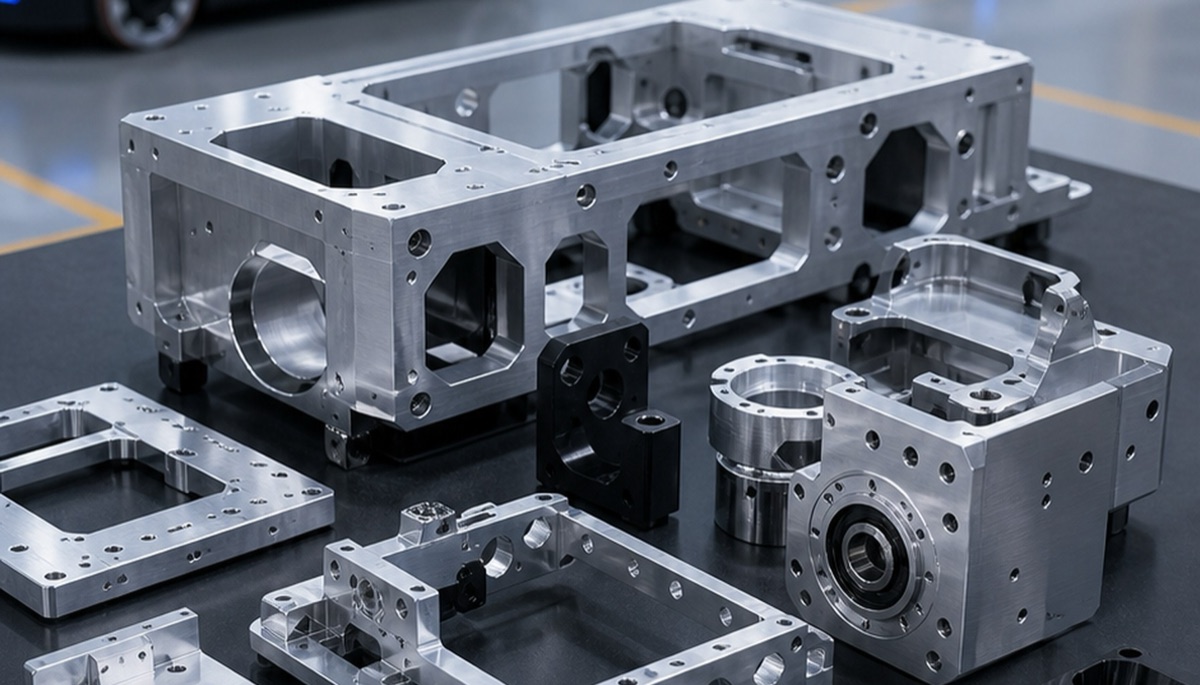
A Stable Route for Many Precision Parts
A common route is to rough the main shape by CNC, leave stock on critical faces, perform heat treatment when required, grind datums or contact faces, then use wire EDM for narrow slots, sharp profiles or hardened contours.
This order helps avoid typical failures such as heat-treatment distortion after final sizing, insufficient grinding allowance, difficult wire EDM clamping or removing the datum too early during CNC machining.
The exact sequence depends on material, hardness, geometry, surface treatment and inspection method. A good quote should explain this route, not only provide a price.
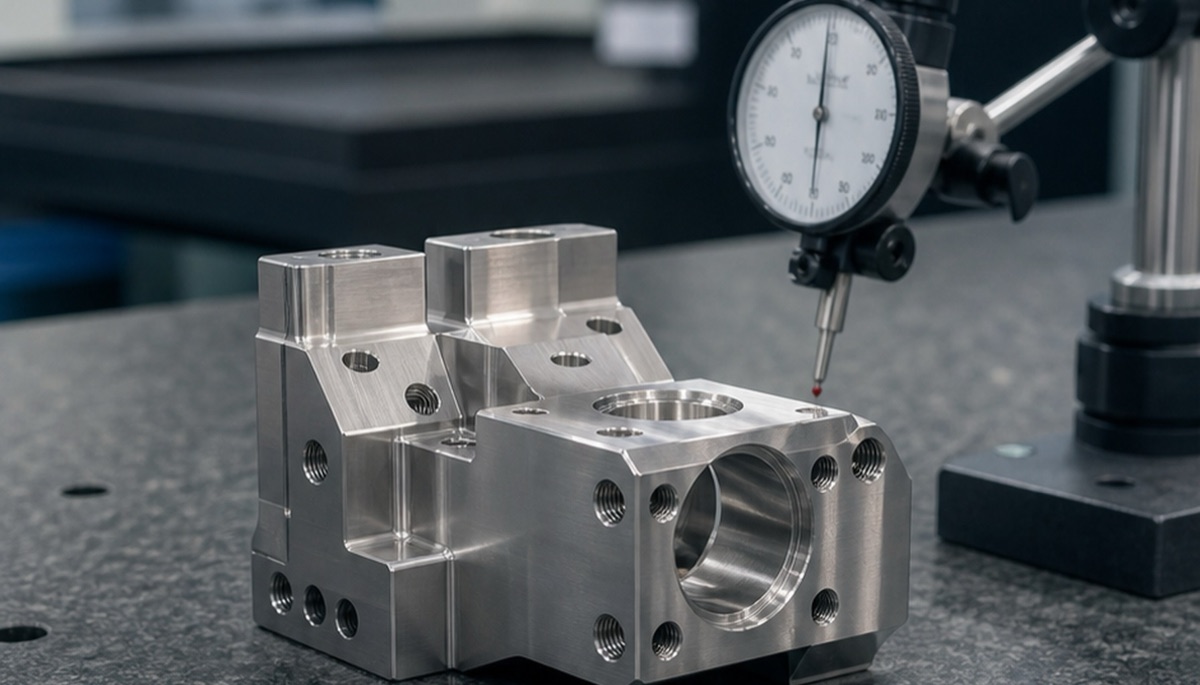
When Wire EDM Adds Real Value
Wire EDM is not only a backup when milling is impossible. It can be the better process for very narrow slots, inner corners with small radius, hardened steel profiles and thin features where cutting force would bend the part.
It also helps when a precise 2D contour must be held after heat treatment. Instead of machining to final size before hardening and hoping distortion is small, the profile can be cut after the material reaches its final hardness.
Designers should confirm wire entry holes, clamping area, surface finish requirement and whether the cut face will be functional.
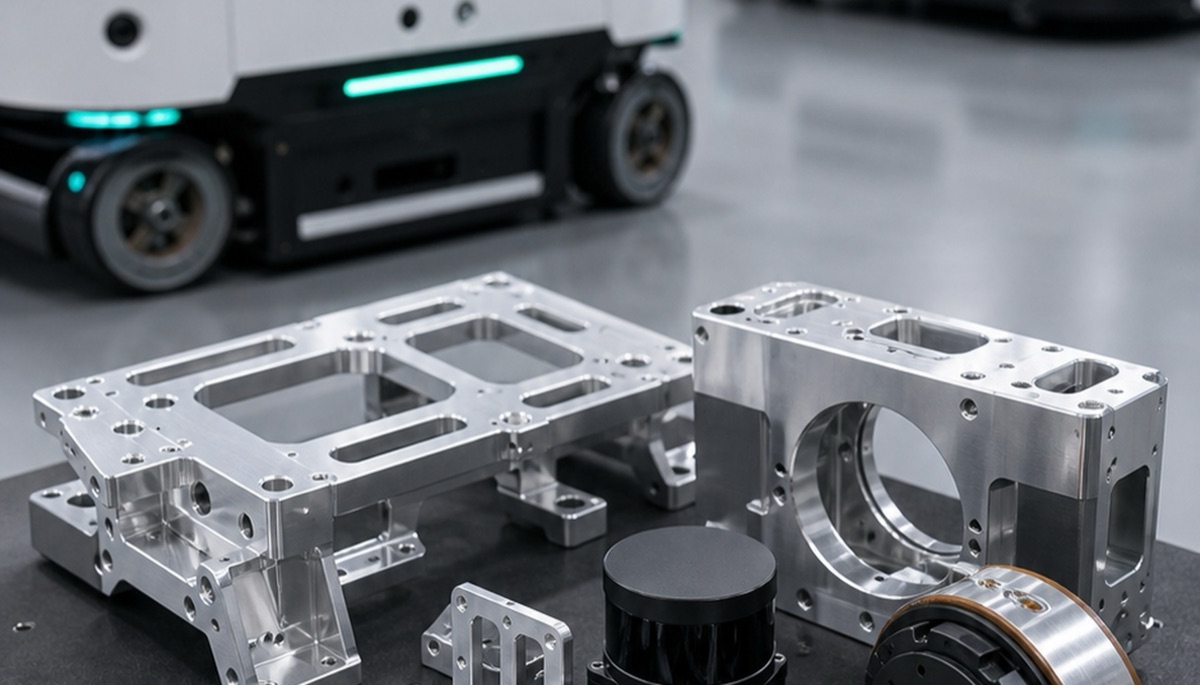
RFQ Checklist
- Provide 3D models and 2D drawings with critical tolerances and GD&T.
- Mark functional faces, bearing fits, rail seats, datum holes and inspection basis.
- State material grade, heat-treatment state, coating thickness and final acceptance condition.
- Ask which features will be CNC machined, ground or wire cut.
- Confirm whether first-article inspection will include flatness, parallelism, bore position and surface finish.
Common Mistakes
The first mistake is treating CNC as universal. CNC is efficient, but not always the best final process for hardened precision faces or very high flatness.
The second is overusing grinding. Grinding should be applied to functional surfaces, not every cosmetic face.
The third is looking only at wire EDM profile size. Wire entry, path, clamping, recast layer and final inspection can all affect the result.
Summary
The right process combination for custom precision parts depends on function, material, heat treatment and inspection. CNC creates the structure, grinding stabilizes high-precision reference faces, and wire EDM handles narrow or hard profiles. Clear process planning prevents avoidable cost, rework and delivery delays.
FAQ
Why do custom precision parts need combined processes?
Different features have different tolerance, material and surface needs. Combining processes can balance efficiency, cost and critical-feature stability.
Can CNC replace grinding?
For many standard assembly faces, yes. For high flatness, high parallelism or hardened precision faces, grinding is often still required.
When should wire EDM be used?
Use wire EDM for narrow slots, sharp internal corners, hardened materials, thin features or accurate 2D profiles that are difficult to mill.
What information should be included in the RFQ?
Send STEP files, 2D drawings, material state, heat treatment, surface treatment, quantity, critical tolerances and inspection requirements.
Can OEMach evaluate a combined process route?
Yes. OEMach can review CNC machining, grinding, wire EDM and post-processing sequence based on drawings and functional requirements.
Ready to get a quote for your CNC machined parts?
Submit your engineering drawings to qiancj@oemach.com. We support prototype sampling and small-batch production with strict tolerance control.