
316L stainless steel is difficult to CNC machine because it can become harder while being cut. If the tool is not sharp, the feed is too light or cooling is insufficient, the surface can work harden. The next pass then cuts a harder layer, increasing tool wear, burrs and dimensional drift.
316L is used in medical devices, optical instruments, fluid equipment and corrosion-resistant structures. Customers usually want corrosion resistance, clean appearance, low burrs and accurate holes at the same time. That combination means 316L cannot be quoted or scheduled with aluminum-style efficiency expectations.
OEMach reviews tool choice, spindle speed, feed, depth of cut, cooling, chip evacuation, deburring, scratch prevention and inspection rhythm before machining 316L precision parts.
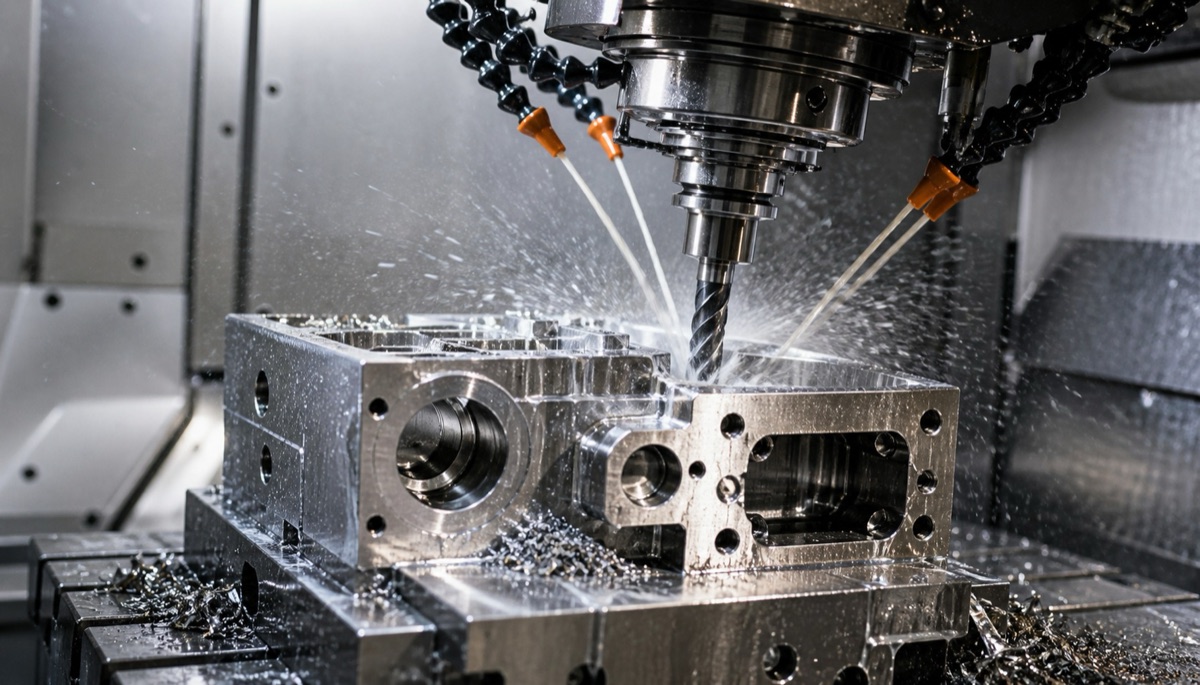
How to Control 316L Work Hardening
| Issue | What it looks like | Cause | Process response |
|---|---|---|---|
| Work hardening | Later cuts feel heavy and tools wear quickly | Rubbing, too-light feed or high cutting heat | Keep effective cutting and avoid repeated rubbing passes |
| High cutting heat | Size drift, shiny pulled surfaces or local discoloration | Poor heat conduction concentrates heat | Use sufficient coolant and control depth of cut and tool condition |
| Built-up edge | Rough surface and unstable size | Tough material and poor chip evacuation | Use suitable coated tools and stable chip flow |
| Burrs | Hole mouths, slots and cross holes are hard to clean | Tough material plus tool wear | Plan chamfers and deburring steps inside the route |
| Scratches | Cosmetic surfaces look inconsistent | Handling, clamping and cleaning damage | Protect appearance zones and review before packaging |
Why 316L Work Hardens Easily
316L has good corrosion resistance and toughness, but this also means chips do not break as easily as in aluminum. When the cutting edge rubs instead of removing material, the surface layer is compressed and hardened.
Once that hardened layer forms, the next tool path sees higher load, more heat and more difficult burrs. Small holes, thin edges, deep slots and cross holes are especially sensitive because they combine tool load with limited chip evacuation.
The answer is not simply to slow everything down. The tool must keep a real cutting action through suitable feed, depth of cut, sharp tools, cooling and timely tool changes.
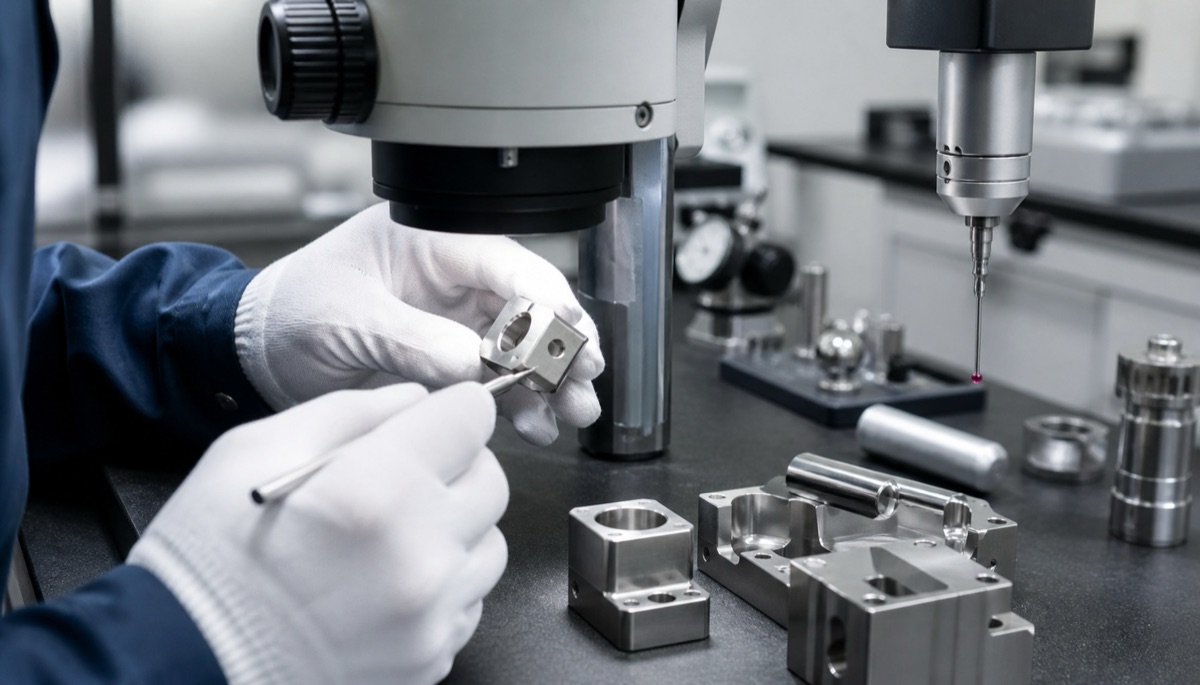
Deburring and Scratch Prevention Belong in the Process
316L parts often serve medical, optical or fluid applications where burrs and scratches are functional risks, not just cosmetic concerns. Cross holes, threaded entrances, thin edges, slot bottoms and sealing faces need clear acceptance criteria.
A stable process considers burr direction during toolpath planning, chamfer design and hole sequence. Appearance faces should be protected during clamping, washing, transfer and packaging.
OEMach confirms deburring requirements, roughness, cosmetic zones and packaging method before production, so the part does not pass dimensions but fail in delivery condition.
Example: Tool Life Before Aggressive Efficiency
In a 316L optical-instrument connector project, the part had multiple small holes, counterbores and sealing contact faces. The first concern was reducing machine time, but first-article review showed that aggressive parameters would raise hole-mouth burrs and surface pulling.
OEMach adjusted tool coating, cooling and feed strategy. Critical holes used stable cutting and staged deburring, appearance faces were protected separately, and final acceptance combined CMM measurement with visual review.
The cycle time was not pushed to the most aggressive target, but rework risk was reduced. For 316L, machining efficiency should be built on controlled tool life and surface quality.
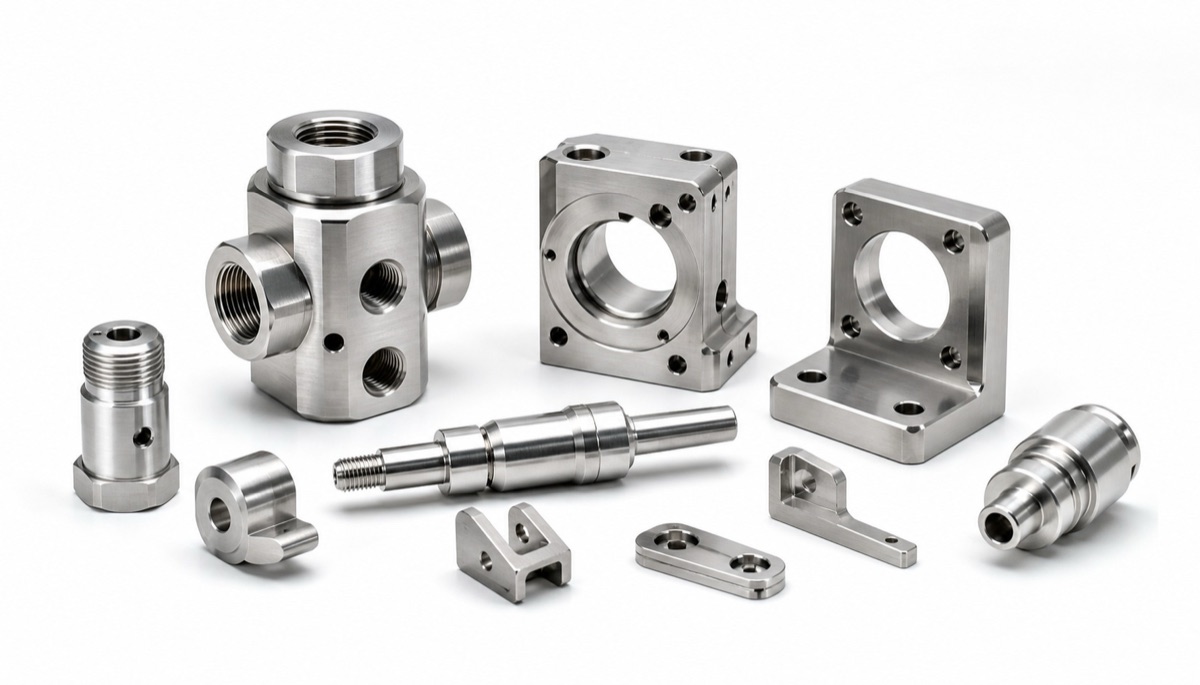
What to Define Before Sending an RFQ
- Specify material grade and stock state, such as 316L bar, plate or forged stock.
- Mark appearance faces, sealing faces, hole mouths, thread entrances and cleanliness requirements.
- Clarify whether critical holes, cross holes or deep slots allow chamfers or structure optimization.
- State passivation, polishing, cleaning, rust prevention and individual packaging requirements.
- Define whether CMM reports or measured values for key features are required.
Common Mistakes
The first mistake is treating 316L like ordinary steel. Its toughness and work-hardening behavior are more demanding. The second is assuming slower feed is always safer; a feed that is too light can increase rubbing and hardening.
The third mistake is thinking about deburring only after machining. For 316L, burr control should begin with toolpath, structure and inspection planning.
Summary
316L stainless steel CNC machining is difficult mainly because of work hardening, cutting heat, built-up edge, burrs and scratch sensitivity. Stable feed, sharp tools, coolant, planned deburring and protected handling are more important than chasing aluminum-like speed.
FAQ
Why does 316L stainless steel work harden?
Because the material is tough and conducts heat poorly. If the tool rubs or feed is too light, the surface is compressed and becomes harder for the next cut.
How can 316L work hardening be reduced?
Keep effective cutting with sharp tools, suitable feed and depth of cut, enough coolant, stable chip evacuation and timely tool changes.
Why does 316L machining create difficult burrs?
Its toughness, chip behavior and tool wear make hole mouths, thin edges and cross holes prone to stubborn burrs.
Which precision parts commonly use 316L?
Medical device parts, optical instrument components, fluid equipment, corrosion-resistant structures and clean-service parts.
Can OEMach machine 316L stainless steel parts?
Yes. OEMach supports 316L CNC machining, deburring, inspection, cleaning and small-batch precision part production.
Ready to get a quote for your CNC machined parts?
Submit your engineering drawings to qiancj@oemach.com. We support prototype sampling and small-batch production with strict tolerance control.