
For small-batch mechanical parts in Shanghai, Nanjing and Suzhou, reliable suppliers should be judged by engineering response, DFM review, inspection and repeat-order records, not distance alone.
When looking for a small-batch mechanical parts machining factory around Shanghai, Nanjing or Suzhou, a nearby location does help communication. But delivery reliability depends more on whether the factory has engineering response, DFM drawing review, inspection capability, surface-treatment coordination and repeat-order records.
Small-batch projects are different from standard mass-production parts. Quantities are low, revisions move quickly, schedules are tight and drawing information may be incomplete. If a supplier only machines exactly what is on the drawing, tolerance conflicts, material substitution, workholding deformation or finishing risks may only appear after machining.
OEMach links pre-quotation communication, process suggestions, first-article inspection and repeat-order records together. For R&D teams, this type of engineering-service supplier is often more stable than a simple build-to-print shop.
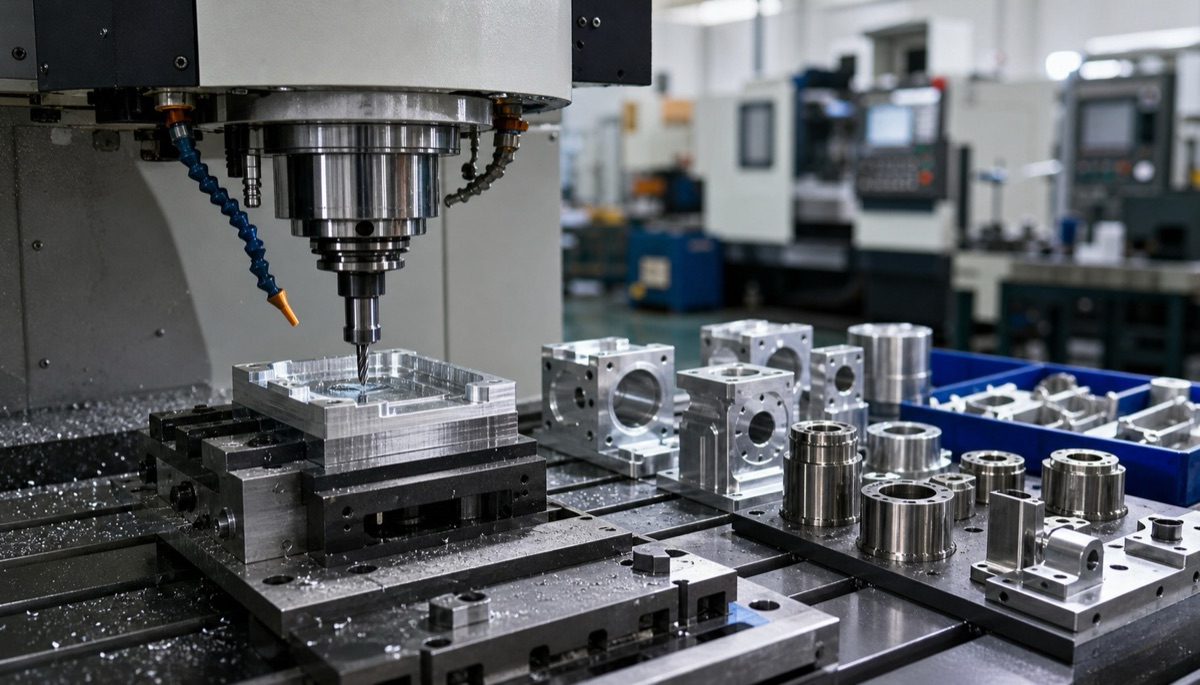
Supplier Evaluation Table
This table works well for purchasing and engineering teams together. The goal of small-batch machining is not only to push down one unit price, but to reduce first-article rework and repeat-order variation.
| Evaluation area | Reliable sign | Risk signal | Suggested action |
|---|---|---|---|
| Engineering response | Asks about use, datum, tolerance and finishing | Only asks quantity and material without reviewing risk | Send one representative complex drawing first |
| Equipment match | Selects 3-axis, 4-axis, 5-axis or mill-turn by part structure | Only lists machines without explaining process route | Ask for setup and machining sequence |
| Inspection capability | Can provide CMM, first-article report and key measured values | Claims experience but cannot define inspection datum | Confirm report format and datum method |
| Delivery record | Keeps repeat-order process and issue records | Restarts communication from zero every repeat order | Check version management and repeat-order traceability |
| Coordination | Can manage material, heat treatment, anodizing, nickel plating and other outside processes | Pushes post-finish problems back to the customer | Clarify outside-process and reinspection responsibility early |
How to Search Around Shanghai, Nanjing and Suzhou
Shanghai R&D customers often care most about response speed, engineering communication and revision iteration. Projects may still be in prototype stage, so a supplier that can review drawings, give DFM suggestions and sample quickly is more useful.
Nanjing projects often involve automation, research equipment, test fixtures and medical or life-science parts. These jobs need a supplier that understands material, inspection and small-batch repeat orders; low-price machining alone rarely covers the hidden needs.
Suzhou has a dense precision-machining supply chain, with advantages in equipment, outside processes and delivery radius. For Yangtze River Delta customers, a Suzhou-area factory with inspection and engineering capability can often balance response and cost.
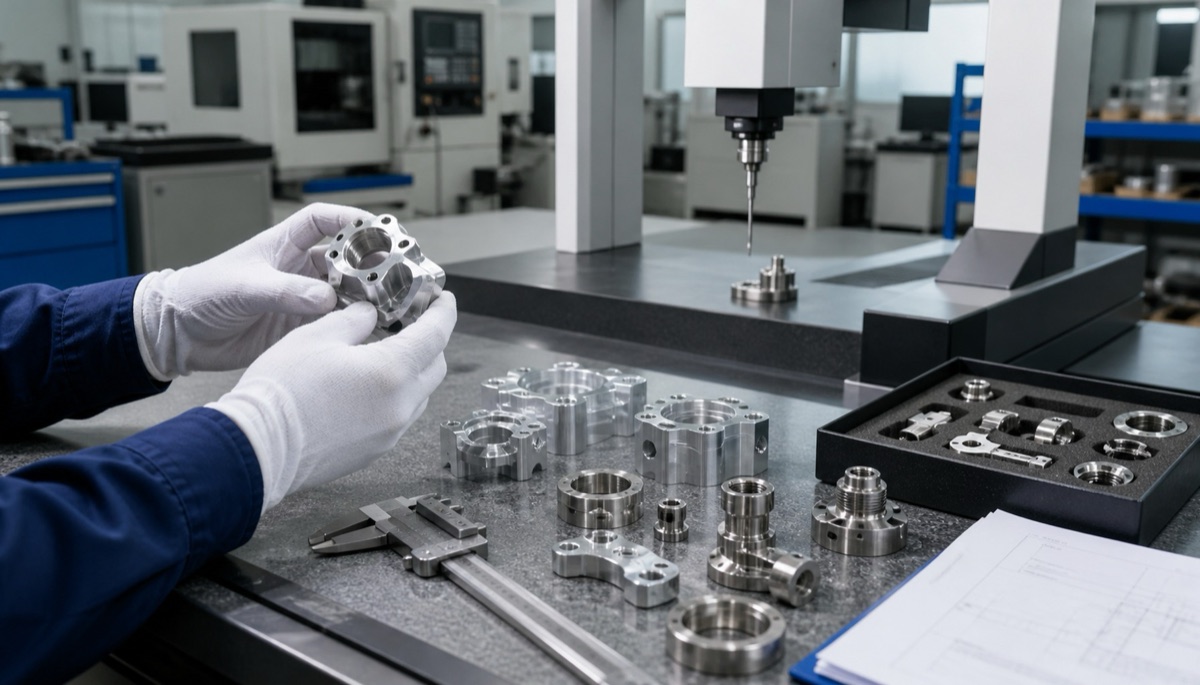
Fast Quotation Does Not Always Mean Reliable Delivery
Some factories quote quickly by estimating material and rough machine time. If the part has thin walls, deep pockets, multi-face hole patterns, heat treatment, anodizing or CMM reporting, a quick rough quote can later become price change, delay or rework.
A reliable quote usually asks several more questions: what is the part used for, which face is the datum, which dimensions are critical, is the material state clear, is post-finish reinspection required, and is there a hard delivery milestone?
These questions may slow the quote slightly, but they make the final price closer to real cost. OEMach prefers to explain process risk at the quotation stage rather than after parts are already machined.
Repeat Orders Depend on Records
In one small-batch project from a Shanghai R&D team, the first order needed only five samples but future revisions were expected. At first-article stage, the process record captured material batch, workholding method, key measured dimensions and surface-treatment requirements.
When the second drawing revision arrived, the process review did not start from zero. The team compared revision changes, retained the original locating datum and inspection items, and adjusted only local toolpaths and hole features.
This reduced repeat-order communication and improved pilot-batch consistency. For Shanghai, Nanjing and Suzhou customers, a supplier that records and reviews the process is often more reliable than a one-time low quote.
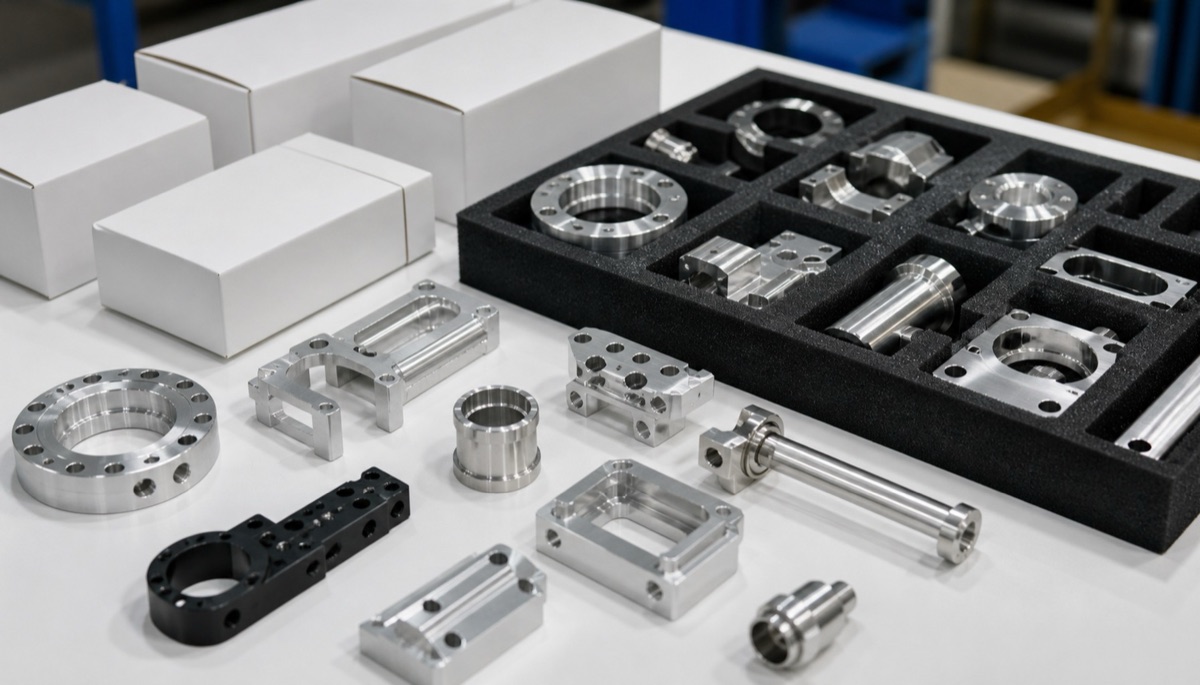
How to Test a First Cooperation
Do not send only the simplest part. Use a representative part with key holes, surface treatment and inspection requirements to test response.
Watch whether the supplier asks about function, datum, tolerance, quantity and lead time instead of giving only a unit price.
Ask for the proposed process route, inspection method and possible risk points.
At first-article delivery, check packaging, scratch protection, inspection report and communication records.
On repeat orders, see whether the supplier can reuse the first process record instead of rediscovering everything.
For R&D teams in the Yangtze River Delta, a partner with DFM review, CNC machining, inspection reporting and repeat-order records can shorten prototype cycles.
Common Mistakes
The first mistake is choosing only the closest factory. Distance helps, but it does not prove engineering capability.
The second mistake is judging only quotation speed. A fast quote without drawing review may carry higher downstream risk.
The third mistake is focusing only on unit price. In small-batch work, the expensive parts are often rework, delay and repeated communication.
FAQ
How do you judge whether a small-batch machining factory is reliable?
Look at engineering response, DFM review, equipment match, inspection reports, finishing coordination and repeat-order records, not only price.
Can Shanghai customers use a Suzhou machining factory?
Yes. Suzhou has a mature precision-machining supply chain and is close enough for small-batch R&D sampling and repeat-order coordination.
What should Nanjing small-batch projects pay attention to?
Material, inspection, surface treatment and delivery communication are important, especially for research, automation and life-science equipment projects.
How can first cooperation risk be reduced?
Start with a representative complex part to test communication, machining, inspection and packaging before expanding the cooperation.
Which regions can OEMach support?
OEMach supports small-batch mechanical parts and custom precision parts for customers in Shanghai, Nanjing, Suzhou and the broader Yangtze River Delta.
Summary
When choosing a small-batch mechanical parts machining factory around Shanghai, Nanjing and Suzhou, do not judge by distance alone. Engineering response, DFM review, inspection capability, delivery record and repeat-order stability are more important for R&D teams.
Ready to get a quote for your CNC machined parts?
Submit your engineering drawings to qiancj@oemach.com. We support prototype sampling and small-batch production with strict tolerance control.