
A CNC machining quote usually combines material, programming, machine time, workholding, inspection, surface treatment and outside-process cost.
A CNC machining quote is not simply material plus a little machining fee. It usually combines material cost, programming, machine time, workholding or fixture cost, inspection cost, surface treatment, outside processing and normal production loss.
The ratio varies by part. A simple plate may have visible material cost. A thin-wall cavity, multi-face hole pattern or 5-axis part may be driven by machine time and programming. A high-precision part with CMM reports can carry a larger inspection component.
OEMach breaks small-batch custom quotes into material, process, workholding, inspection and finishing so buyers can understand where the price comes from instead of seeing only one vague total.
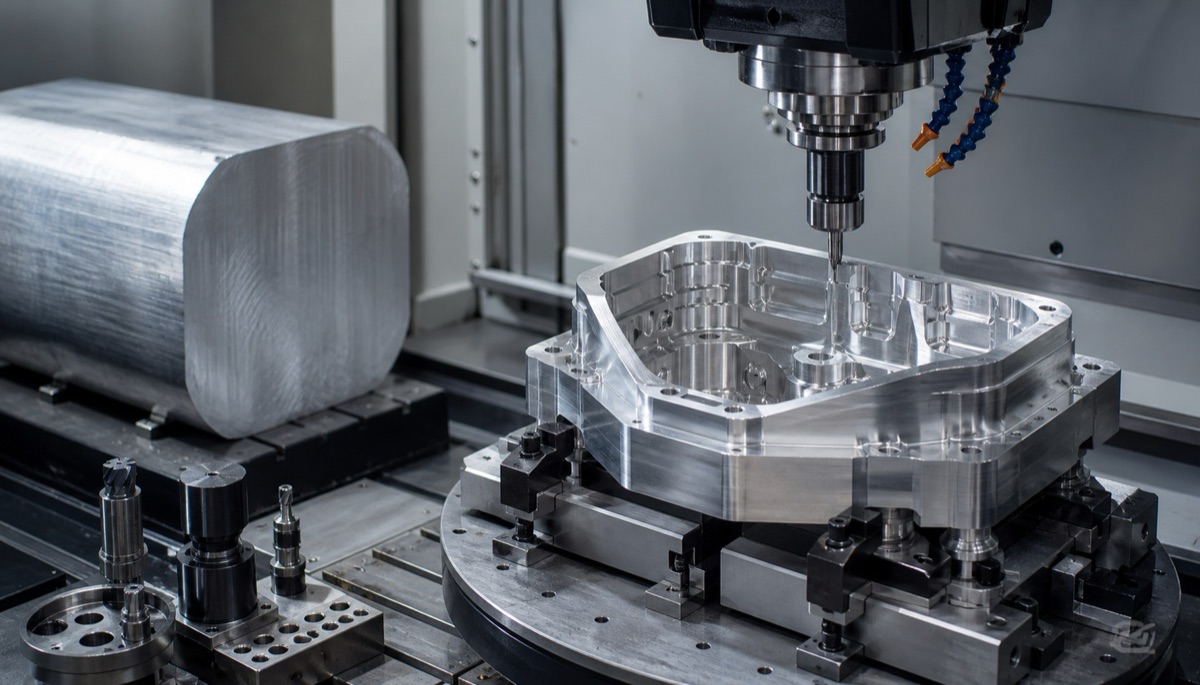
Typical CNC Quote Cost Drivers
| Cost item | Typical reference range | What affects it | What buyers can provide |
|---|---|---|---|
| Material | About 10% to 40% | Grade, blank size, yield loss and procurement time | Material grade, quantity and whether material is supplied |
| Programming | About 5% to 25% | Complex surfaces, multi-side machining, 5-axis toolpaths and first-article prove-out | 3D model, drawing revision and repeat-order information |
| Machine time | About 30% to 70% | Cutting time, machine type, tool changes, setups and urgency | Geometry complexity, tolerance requirements and delivery target |
| Workholding and inspection | About 5% to 25% | Soft jaws, fixtures, CMM, first-article reports and gauges | Critical tolerances and report requirements |
| Surface treatment | Calculated by process | Anodizing, blasting, nickel plating, black oxide, passivation or heat treatment | Color, cosmetic faces, masking and post-finish inspection needs |
Material Is Visible, But Often Not the Largest Cost
Material cost includes raw stock, cutting, yield loss and sourcing risk. Aluminum, stainless steel, copper, PEEK and titanium can have very different prices, and an oversized blank increases waste.
However, expensive material is not always the only reason for a high quote. A small complex cavity may use little material but take many machining hours. A large simple plate may have high material cost but lower machining complexity.
If buyers can state material grade, quantity and whether alternatives are allowed, the supplier can judge cost and lead time more accurately. Where function allows, OEMach may suggest a more practical material route.
Programming and Machine Time Reflect Process Difficulty
Programming cost comes from toolpath planning, workholding strategy, simulation, post-processing and first-article verification. Simple flat plates may need little programming, while complex surfaces, 5-axis paths, angled holes, deep pockets and thin walls need more engineering judgment.
Machine time reflects actual machine occupancy. Cutting, tool changes, probing, setup, refixturing, first-part adjustment and allowance control all enter the real cost. A 5-axis machine has a higher hourly rate than a basic 3-axis machine, but it can sometimes reduce total cost by avoiding multiple setups.
That is why two parts with the same material and similar size can quote very differently. A reasonable quote should be able to explain the process route, not only multiply weight by a rough coefficient.
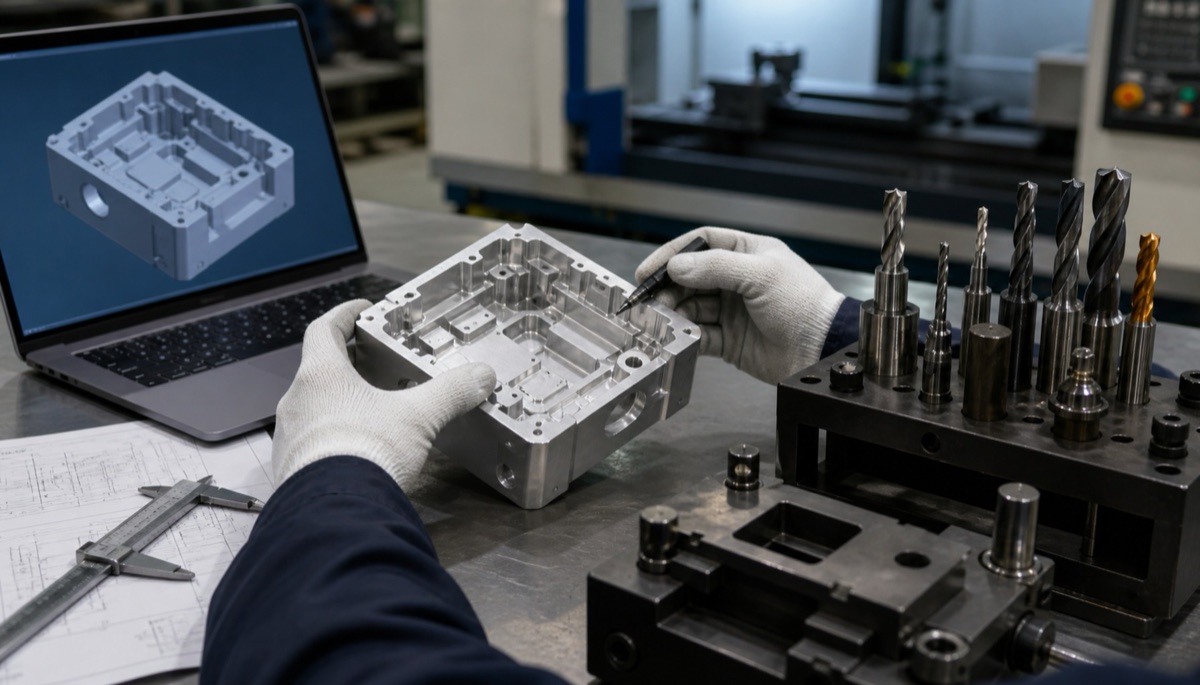
Inspection and Finishing Are Not Free Add-Ons
Basic dimensional checks are usually lighter in cost. CMM reports, full-dimensional reports, position tolerance, flatness, coaxiality, post-treatment reinspection and dedicated gauges all require more time.
Surface treatment also changes the quote. Anodizing, blasting, hard anodizing, nickel plating, black oxide, passivation and heat treatment may require outside processing, masking, reinspection and appearance control.
Adding these requirements after quotation often forces a price and schedule review. It is better to include inspection and finishing expectations at the RFQ stage.
How Cost Can Be Optimized Without Blind Price Cutting
In one aluminum cavity review, the high cost came from the combination of high-strength material, complex toolpaths, two setups, thin-wall finishing, CMM reporting and black anodizing. After discussion, the truly critical features were narrowed to several locating holes and one sealing face.
The process route was then adjusted so non-functional inner pockets did not carry unnecessary tight tolerance. Critical holes remained controlled, while inspection focused on the features that actually affected assembly.
This kind of cost review helps buyers decide which costs can be optimized and which should remain because they protect function.
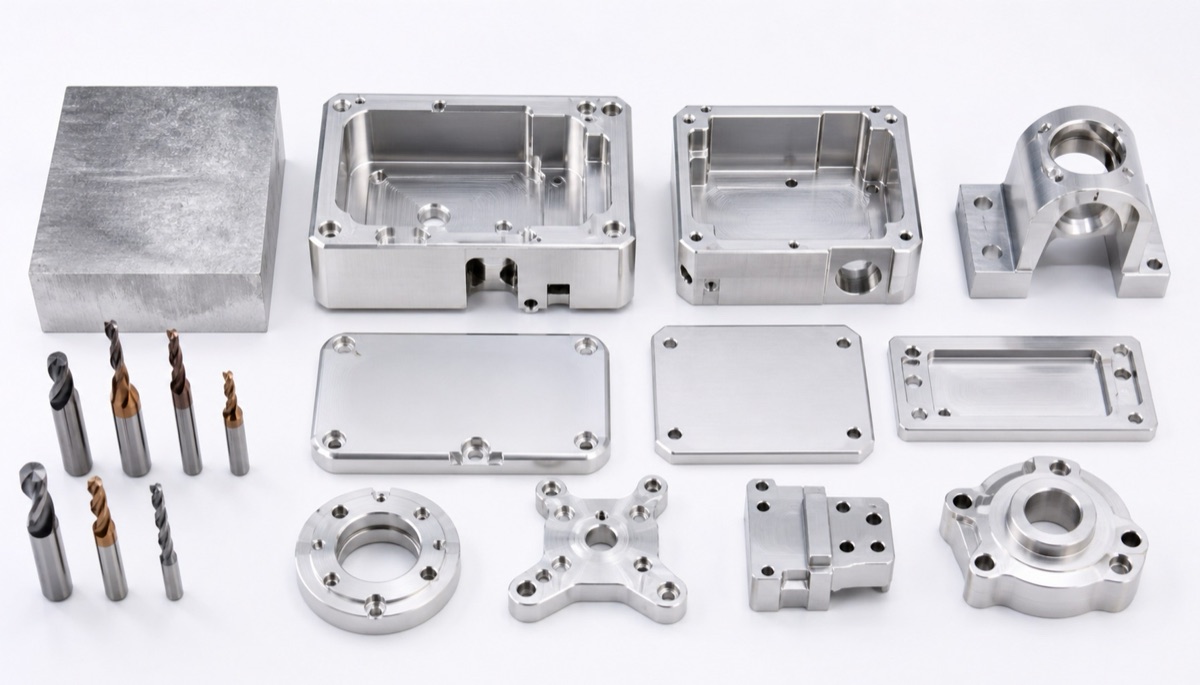
How to Get a More Reliable CNC Quote
Send both 3D model and 2D drawing, with key dimensions and surface treatment clearly marked.
State whether the quantity is a single prototype, pilot batch or repeat order because setup costs are amortized differently.
Clarify material grade, material state and whether an alternative is acceptable.
State CMM, first-article report or post-finish reinspection requirements early.
If a target budget exists, share it so the supplier can propose process optimization instead of guessing.
FAQ
What costs are included in a CNC machining quote?
Common items include material, programming, machine time, workholding, inspection, surface treatment, outside processing and production loss.
Why is programming charged separately?
Custom parts need toolpath planning, workholding strategy, simulation and first-article validation. Complex parts require more engineering time.
What is machine time cost?
It is the cost of actual machine occupancy, including cutting, tool changes, setup, probing, refixturing and first-part adjustment.
Why can same-size parts have very different prices?
Structure complexity, material, tolerances, setup count, inspection and finishing can differ even when size is similar.
Can OEMach provide cost breakdowns?
Yes. OEMach can explain quotes by material, process route, machine time, inspection and surface treatment so buyers can understand cost drivers.
Summary
CNC machining quotes usually include material, programming, machine time, workholding, inspection and finishing. The largest cost driver changes with part structure. A good quote explains the manufacturing logic, not just a final number.
Ready to get a quote for your CNC machined parts?
Submit your engineering drawings to qiancj@oemach.com. We support prototype sampling and small-batch production with strict tolerance control.