
Medical Device CNC Machining: How to Control Precision, Materials and Clean Delivery
Medical device and medical equipment projects often move from concept to prototype under tight engineering pressure. A small bracket, cover, shaft or housing may look simple, but it can influence sealing, sensor alignment, cable routing, sterilization exposure and final assembly reliability. CNC machining remains one of the most practical ways to produce these parts because it supports aluminum, stainless steel, titanium and high-performance plastics while keeping dimensional control visible throughout the process.
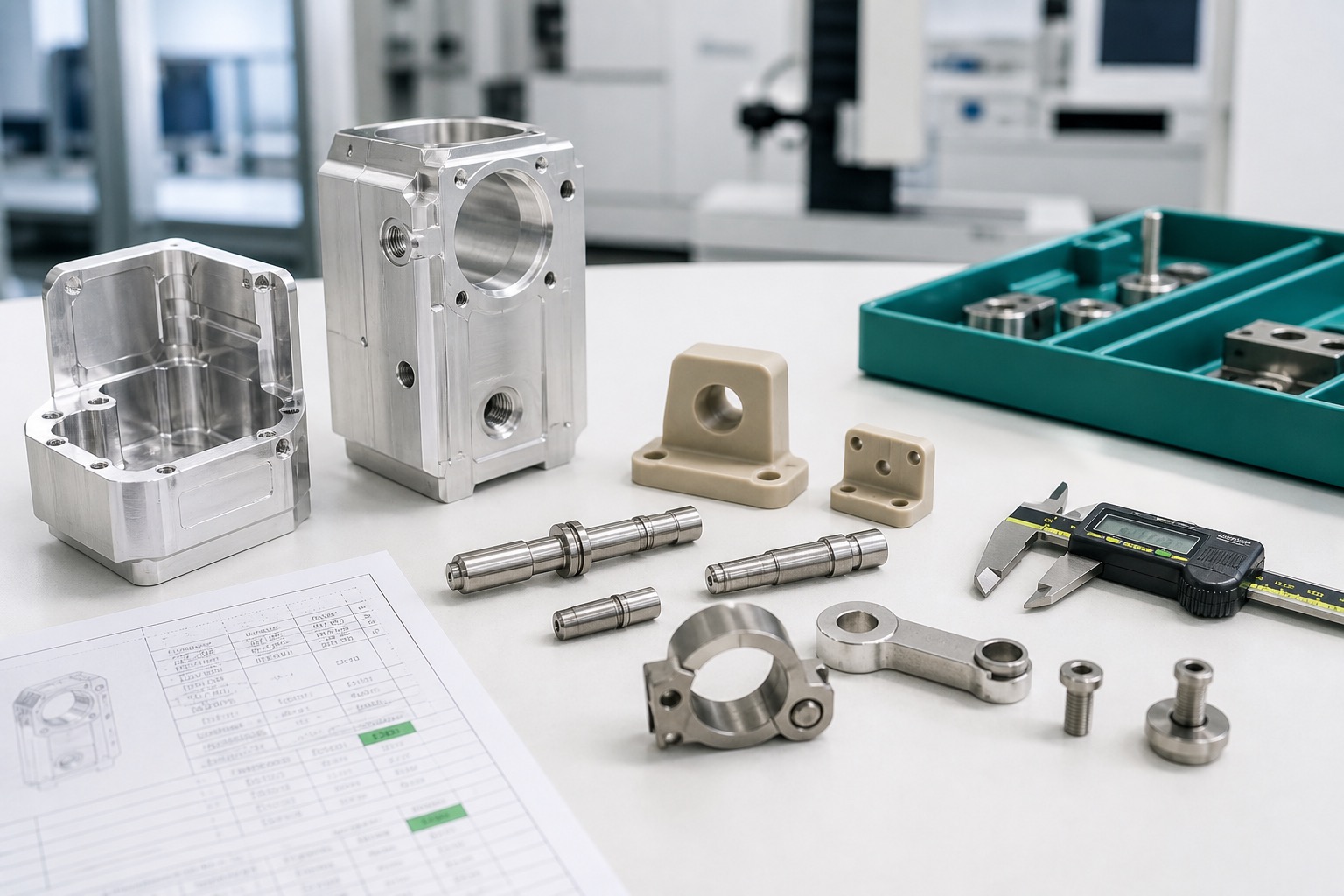
Start with the function of each part
The best machining plan begins with the role of the component. A diagnostic equipment housing may need flat sealing surfaces, accurate threaded holes and a cosmetic anodized finish. A stainless steel locating pin may require diameter consistency, controlled surface roughness and burr-free cross holes. A PEEK sensor bracket may need stable hole spacing without stress marks. By separating functional surfaces from non-critical areas, engineers can control cost while protecting the dimensions that truly affect performance.
Choose materials around use conditions
Material selection is more than a strength decision. Aluminum is common for covers, fixture plates and equipment housings because it machines efficiently and can be anodized. 316L stainless steel is suitable for corrosion-resistant pins, sleeves and connectors. Titanium provides high strength-to-weight ratio for compact clamps and structural parts, while PEEK and other engineering plastics help with insulation, weight reduction and chemical resistance. Each material needs a different cutting, fixturing and deburring strategy.
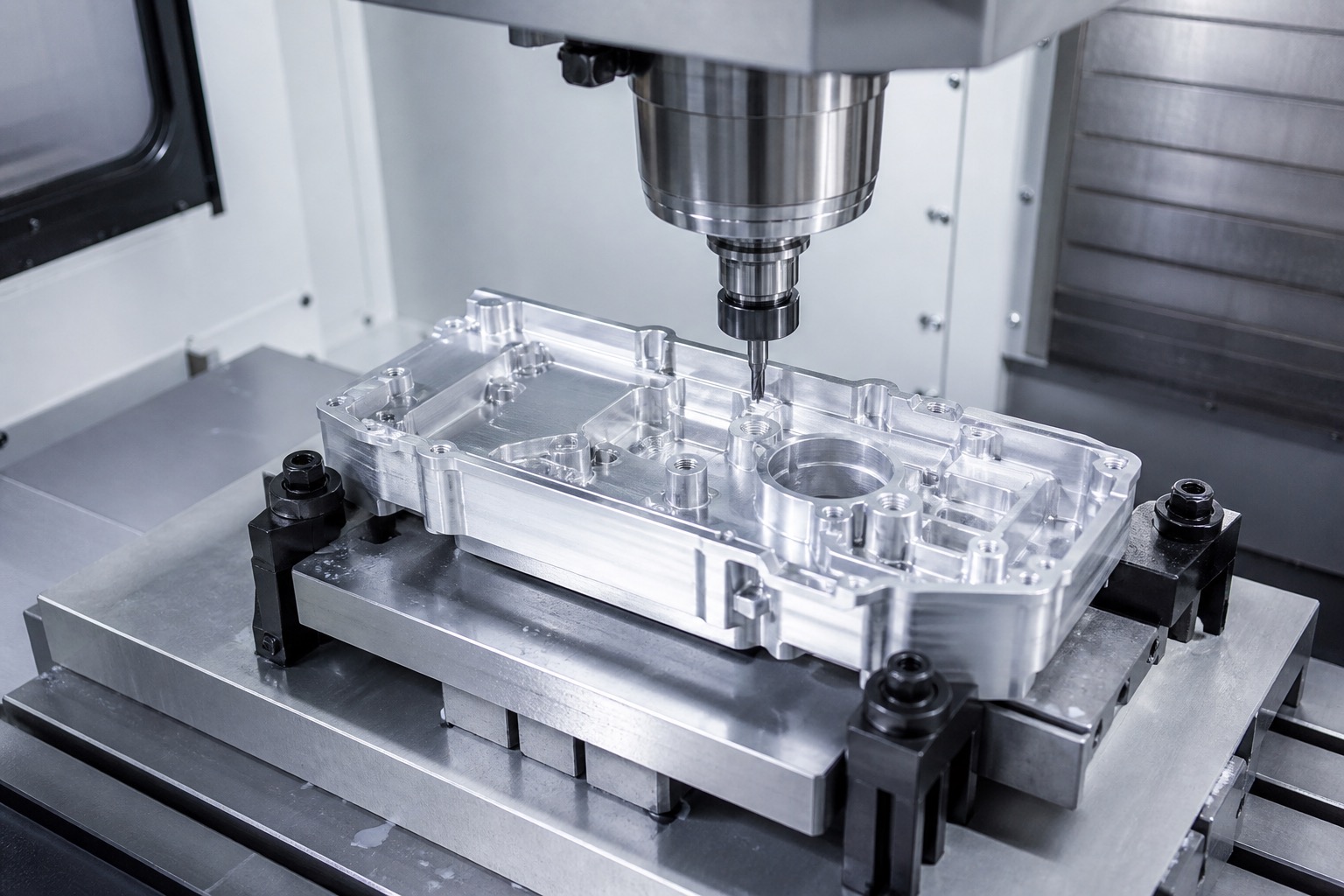
Control tolerances with a practical datum plan
Medical equipment assemblies often fail because datum interpretation is inconsistent, not because every dimension is difficult. Drawings should define the primary datum surfaces, mounting hole patterns and features that control alignment. Tight tolerances are most useful on gasket grooves, bearing seats, dowel holes, connector interfaces and sensor locations. For thin aluminum covers or plastic brackets, stability can improve when roughing, stress relief and finishing passes are planned in sequence.
Manage burrs, edges and surface finish
Edges matter in medical equipment. Sharp burrs can damage seals, scratch mating parts or create cleaning problems. At the same time, aggressive deburring can change a sealing land or hole entrance. A controlled edge standard, such as small uniform breaks on handling edges and protected functional edges on precision interfaces, helps production and inspection teams work from the same expectation. Finishing steps such as anodizing, passivation, bead blasting or polishing should be chosen according to assembly and cleaning needs.
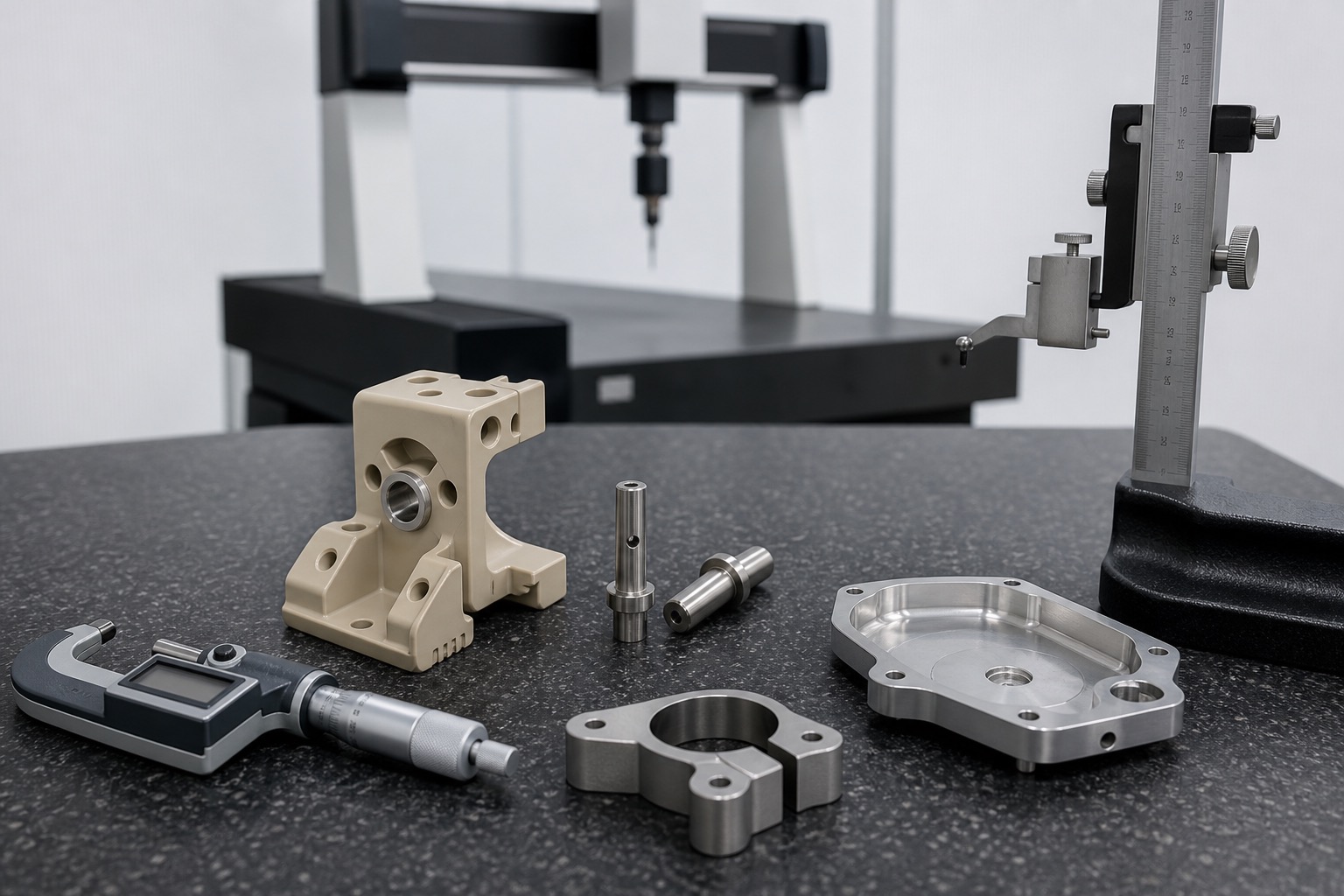
Inspection should match the risk of the feature
Not every dimension needs a long inspection report, but high-risk features do. CMM checks are useful for datum relationships, hole position and complex milled profiles. Micrometers, plug gauges, thread gauges and height gauges can verify shafts, bores, threads and step heights efficiently. For prototype builds, a first article inspection report helps engineering teams confirm that the design intent, drawing notes and machining method are aligned before scaling to a larger batch.
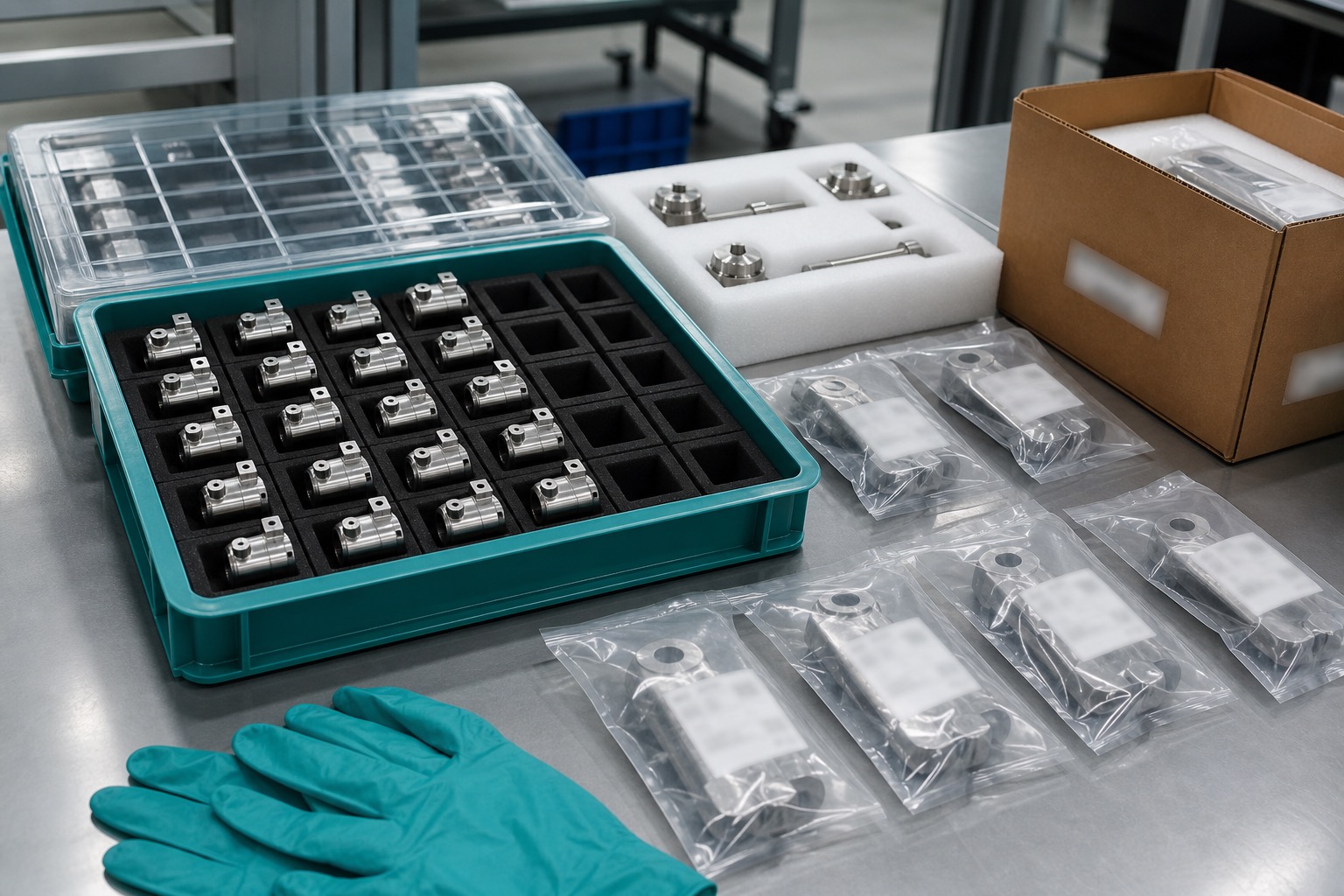
Clean delivery supports faster assembly
After machining and finishing, parts should be separated by material, part number and revision. Protective trays, sealed bags and clear labels reduce scratches and mix-ups during incoming inspection. For medical device prototypes and equipment builds, clean packaging does not replace formal validation, but it helps the engineering team move from receiving to assembly with fewer preventable delays.
Conclusion
Successful CNC machining for medical device parts depends on clear drawings, material-aware process planning, controlled edge treatment, focused inspection and careful packaging. When these details are planned early, prototype and low-volume medical equipment parts can arrive ready for inspection, assembly and design verification.
FAQ
Which medical device parts are suitable for CNC machining?
Housings, mounting plates, sensor brackets, surgical equipment components, shafts, clamps, connectors and prototype fixtures are common candidates when geometry and tolerance control matter.
Which materials are often used for medical equipment parts?
Aluminum, 316L stainless steel, titanium, PEEK, PPSU and other engineering plastics are often selected according to strength, weight, sterilization exposure and assembly requirements.
How should critical tolerances be defined?
Buyers should mark functional interfaces, datum features, gasket grooves, bearing fits, threaded inserts and assembly holes clearly on 2D drawings instead of applying tight tolerances everywhere.
Why is deburring important for medical parts?
Burrs can affect assembly, sealing, cleaning and operator safety, so edges need controlled deburring without rounding functional surfaces beyond drawing limits.
Can machined medical parts be packed cleanly?
Yes. Parts can be cleaned, separated by material and part number, protected in trays or bags, and labeled for incoming inspection and assembly.
What information helps speed up an RFQ?
CAD files, 2D drawings, material and finish requirements, critical dimensions, quantity, inspection level, packaging rules and expected delivery date help suppliers quote accurately.
Email: tanghangyun@oemach.com