
For custom machined parts, supplier selection starts with whether you need simple build-to-print work or technical support before production.
Choosing a custom machining supplier is not the same as finding the lowest quote for a standard part. Non-standard parts often involve incomplete drawings, changing prototypes, tight functional features, special materials, surface treatment, or small batches that still need repeatable quality.
The first decision is whether your project only needs build-to-print machining, or whether it needs a technical manufacturing partner. A build-to-print job shop can be effective when the drawing is mature, the material is confirmed, tolerances are clear and the buyer only needs machining capacity. A technical partner becomes more valuable when the design is still being validated and manufacturing risk must be identified before production.
OEMach recommends evaluating suppliers by the stage of the project, not by price alone. If the part affects assembly, motion, sealing, optics, robotics or inspection records, the supplier should be able to explain risks before machining begins.
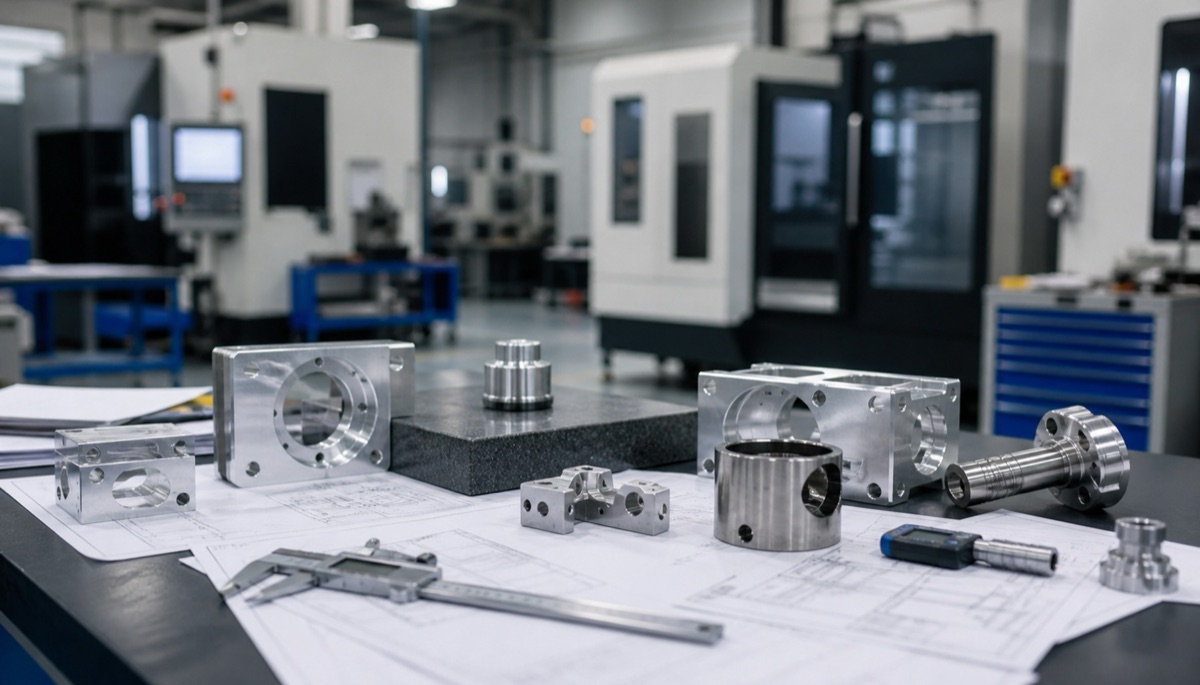
Job Shop vs Technical Manufacturing Partner
| Decision area | Build-to-print job shop | Technical partner | Why it matters |
|---|---|---|---|
| Project stage | Best for mature drawings and repeat orders | Best for prototypes, engineering changes and small-batch validation | The less mature the drawing, the more DFM support matters |
| Communication | Quotes mainly from drawings and quantity | Reviews datum, tolerance, material and surface treatment risks | Early feedback reduces rework loops |
| Material control | Often follows the buyer's supplied material and process | Helps choose material state, machining route and finishing allowance | Material behavior can affect deformation, burrs and final dimensions |
| Inspection output | May provide pass or fail confirmation | Provides key measured values, datum logic and first-article records | Traceable inspection is essential for engineering decisions |
| Repeat orders | Relies on the buyer to restate requirements | Keeps process notes, fixtures, inspection focus and revision history | Repeatability is more important than one lucky sample |
When a Build-to-Print Supplier Works Well
A build-to-print supplier is suitable when the drawing is frozen, tolerances are realistic, material and surface treatment have already been validated, and the buyer can define all inspection requirements. In this case, the supplier's main value is stable machining capacity, price control and delivery discipline.
This approach is common for mature brackets, repeat plates, standard shaft parts, simple housings or components that have already passed prototype trials. The buyer should still confirm equipment fit, inspection method, burr control and packaging, but the supplier does not need to redesign the manufacturing route from zero.
The risk appears when a prototype project is treated as if it were a mature repeat order. If datum selection, wall thickness, hole position, anodizing allowance or material stress have not been reviewed, a simple quote may hide the real manufacturing challenge.
When You Need a Technical Partner
A technical manufacturing partner is more appropriate when the part has assembly risk, tight GD&T, thin walls, deep cavities, multi-angle holes, bearing bores, optical mounting surfaces, heat treatment or cosmetic requirements. In these cases, machining is only one part of the solution.
Before quoting, the supplier should be able to identify unclear dimensions, unrealistic inside corners, weak clamping areas, burr-prone features, finishing allowance, datum conflicts and inspection blind spots. This does not mean changing the design without approval. It means giving engineering the information needed to make better decisions.
For robotics, optical instruments, automation equipment and medical device fixtures, this technical conversation can matter more than a small unit-price difference.
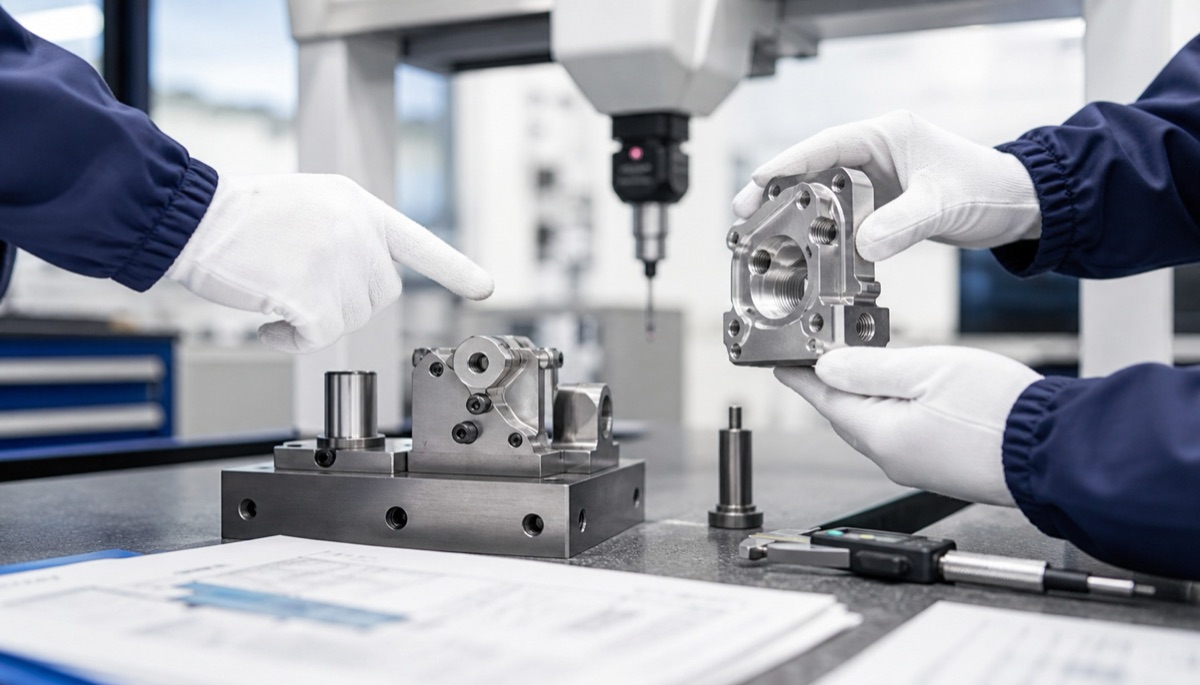
How OEMach Reviews Custom Parts Before Machining
A practical supplier review starts with function. Which faces locate the part? Which holes control assembly? Which surfaces are cosmetic? Which features will be affected by anodizing, plating, heat treatment or deburring? Once the functional map is clear, machining and inspection can be planned around the right features.
OEMach typically reviews DFM issues, material choices, machining sequence, fixture strategy, critical dimension grading, surface treatment effects and inspection records before production. For small batches, the goal is not only to make the first part pass, but also to keep enough process information for the next order.
This approach is especially useful when buyers do not have time to run repeated supplier trials. A supplier that can explain risk, not just receive files, is easier to manage during engineering changes.
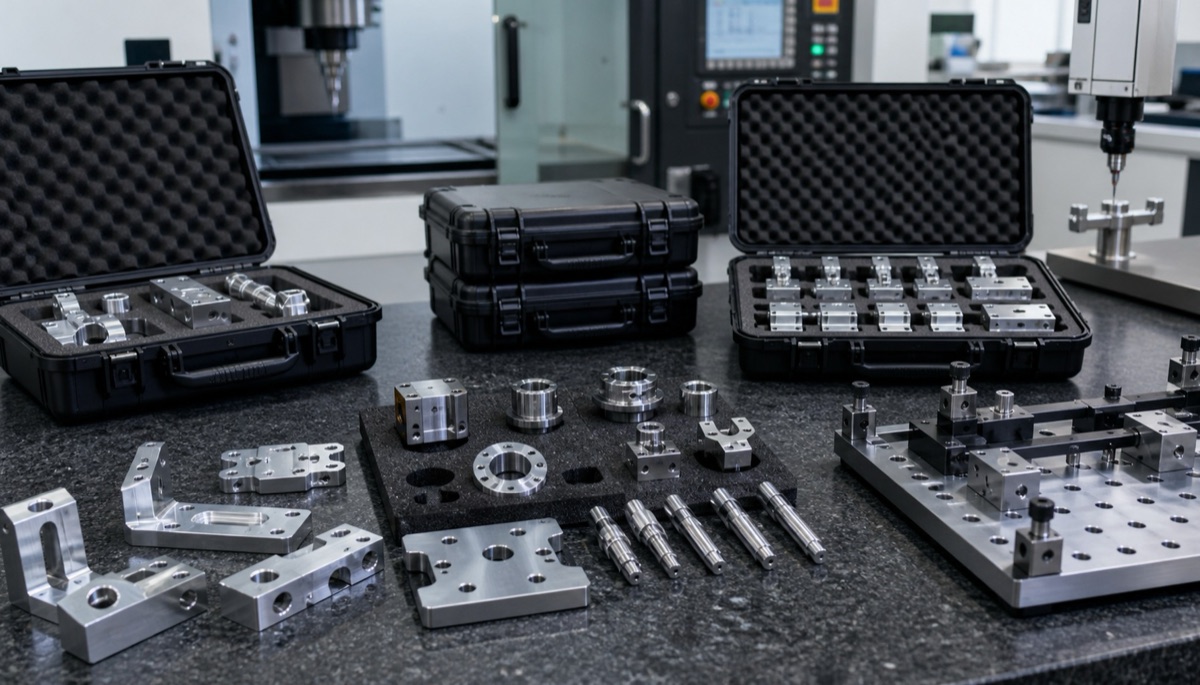
Questions Buyers Should Ask
Which feature on this drawing is most likely to cause rework, and why?
How will the supplier define machining datums, clamping direction and inspection datums?
Will material stress, thin walls, burrs or surface treatment change the final dimensions?
Can the first-article report include actual measured values for critical dimensions, not only a pass result?
If the design is revised, can the supplier keep process records so the next batch does not restart from zero?
Common Misconceptions
The first misconception is that all CNC suppliers are interchangeable. In reality, a shop good at mature production may not be the best choice for uncertain prototypes, and a strong engineering partner may not always be the lowest-cost option for simple repeat parts.
The second misconception is that supplied material automatically reduces risk. Material source is only one factor. State, stress relief, machining allowance, finishing and inspection still need to match the design.
The third misconception is that a low quote is the same as a low project cost. Rework, failed assembly, delayed validation and unclear inspection records can easily cost more than the unit-price difference.
FAQ
What is a custom machining supplier?
It is a supplier that machines non-standard parts from engineering drawings or models, often for prototypes, small batches, fixtures, robotics, instruments or automation equipment.
When is a build-to-print supplier enough?
It is usually enough when the drawing is mature, material and surface treatment are proven, tolerances are clear and the buyer only needs machining capacity.
When should I choose a technical machining partner?
Choose one when the part has uncertain design details, tight GD&T, thin walls, special material behavior, surface treatment effects or assembly-critical features.
What should be included in a first-article report?
It should include actual measured values for critical dimensions, inspection datums, equipment or gauge method, and notes on burrs, surface treatment or functional features.
Can OEMach support prototype and small-batch projects?
Yes. OEMach supports CNC machined prototypes and small batches with DFM review, process planning, inspection records and tolerance control.
Summary
The best custom machining supplier depends on your project stage. Mature drawings may only need a reliable build-to-print job shop. Prototype, small-batch and engineering-change projects often need a technical partner that can review DFM, material, process, inspection and repeatability before production.
Ready to get a quote for your CNC machined parts?
Submit your engineering drawings to qiancj@oemach.com. We support prototype sampling and small-batch production with strict tolerance control.