
For structural engineers in Shanghai and Wuxi, the real risk in CNC outsourcing is not that a supplier is located in another city. The bigger risks are unclear drawings, opaque quotation breakdowns, missing inspection standards, slow abnormal feedback and broken repeat-order records.
A capable outsourcing partner should not simply answer whether a part can be machined. It should review drawings, explain process risks, inspect from the same datum, report issues early and support design revisions without losing the previous process history.
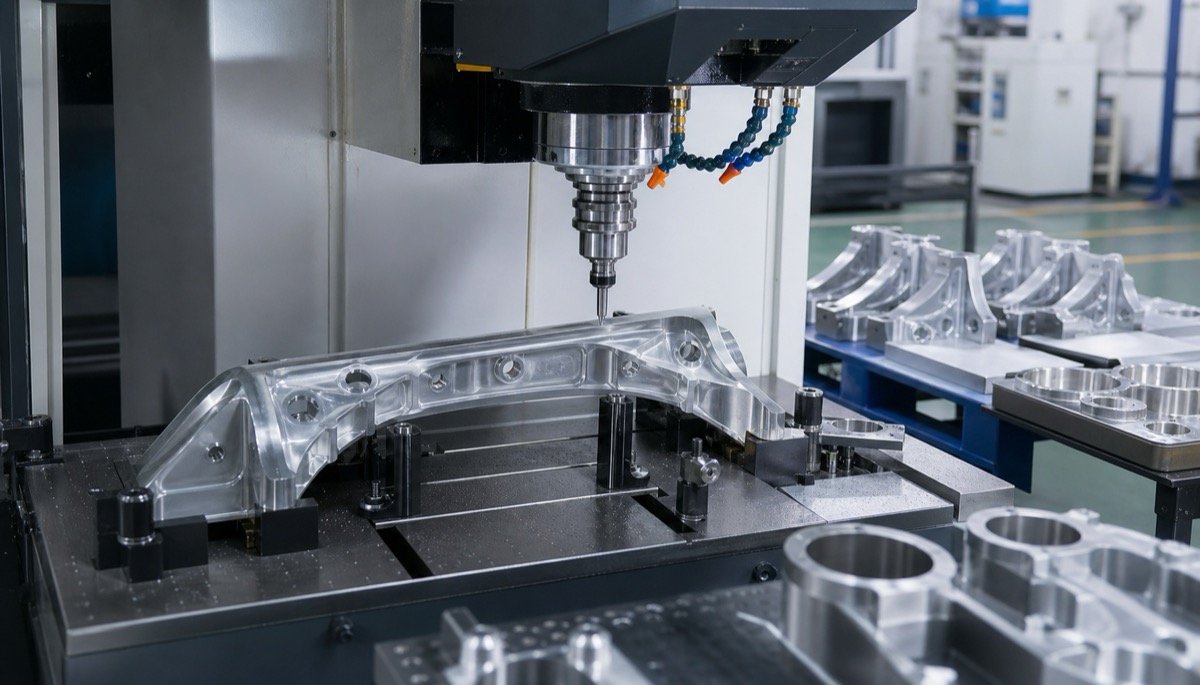
Common CNC Outsourcing Pitfalls
| Pitfall | What it looks like | How to avoid it |
|---|---|---|
| Incomplete drawing package | Only STEP is sent, with no tolerances or finish notes | Send 2D drawings, material, finish, quantity and critical dimensions |
| Unclear quotation | Price is given as one number without setup, material or finish logic | Ask for machining, material, finish and inspection assumptions |
| No DFM feedback | Supplier says yes first and exposes risks after cutting | Ask for tool access, fixture and tolerance comments before PO |
| Inspection mismatch | Supplier measures from a different datum than assembly | Define datum and report format before machining |
| Slow abnormal feedback | Problems appear near delivery date | Require early photos, first-article data and exception approval |
| No repeat-order record | Every reorder feels like a new supplier project | Keep revision, process card and inspection history |
How to Score Supplier Cooperation
A good CNC outsourcing supplier is not a supplier that never has problems. It is a supplier that finds problems early, explains them clearly, proposes options and records the final decision. Structural engineers can use one or two complex samples to test cooperation before moving to a long-term relationship.
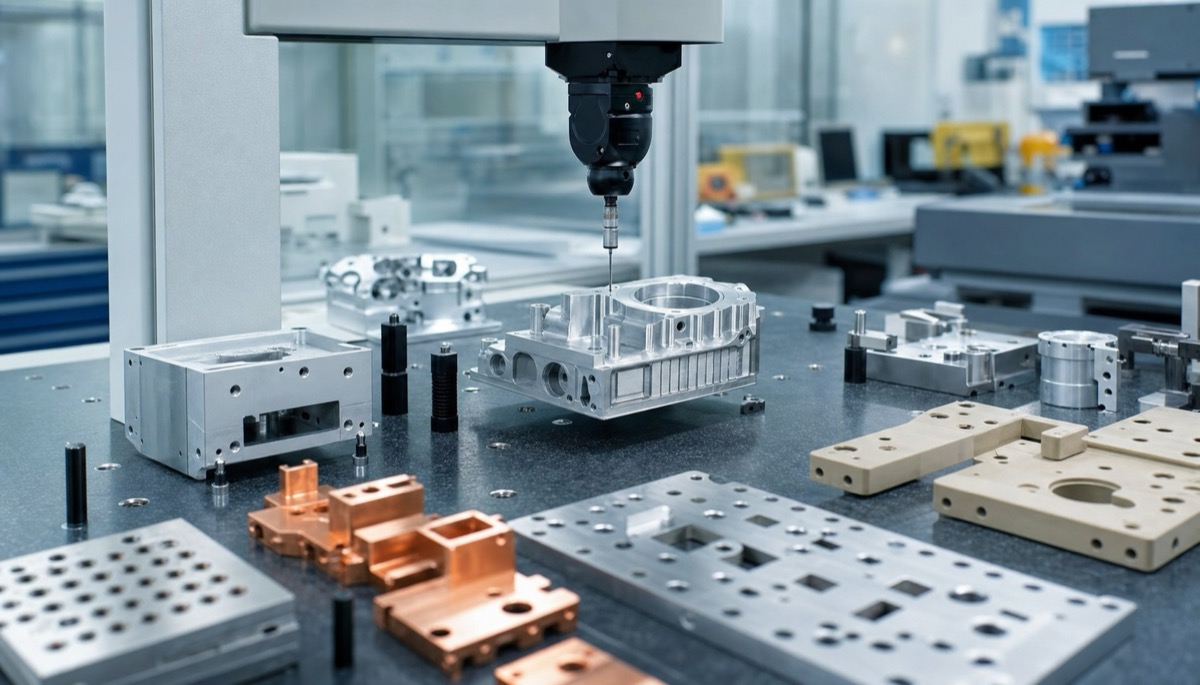
| Score item | Strong signal | Weak signal |
|---|---|---|
| DFM ability | Raises fixture, tool access and tolerance risk before machining | Only repeats the drawing and says it can be done |
| Communication | Uses part numbers, revision and marked screenshots | Relies on scattered chat messages |
| Inspection | Provides actual values and datum notes | Only says pass without data |
| Schedule control | Separates programming, machining, finish and inspection time | Only promises a date without process detail |
| Abnormal handling | Reports risk early with options | Waits until delivery is already late |
| Repeat support | Keeps process and inspection records | Cannot reproduce the first batch method |
Parts That Need Extra Control
| Part type | Typical risk | Recommended control |
|---|---|---|
| Thin-wall aluminum housings | Deformation after unclamping or anodizing | Clamping plan, stress control and post-finish inspection |
| Robot brackets and sensor mounts | Hole position and datum mismatch | CMM report from assembly datum |
| Copper heat-transfer parts | Burrs, scratches and flatness loss | Tooling, protective packaging and flatness check |
| PEEK or engineering plastic parts | Spring-back and thread instability | Material record and inspection timing |
| Multi-face structural parts | Datum transfer error | 4-axis/5-axis strategy or dedicated fixture |
| Surface-treated parts | Color, film thickness and masked areas unclear | Finish sample, film target and mask drawing |
How OEMach Works with Yangtze River Delta Teams
When serving Shanghai, Wuxi and other Yangtze River Delta engineering teams, OEMach connects prototype machining, low-volume custom parts, material selection, surface treatment and CMM inspection into one workflow.
For complex outsourced samples, the team first establishes drawing revision and critical-dimension lists, then separates quotation assumptions by material, machining complexity, finish and inspection requirement. The goal is to make risks visible early instead of discovering them after machining.
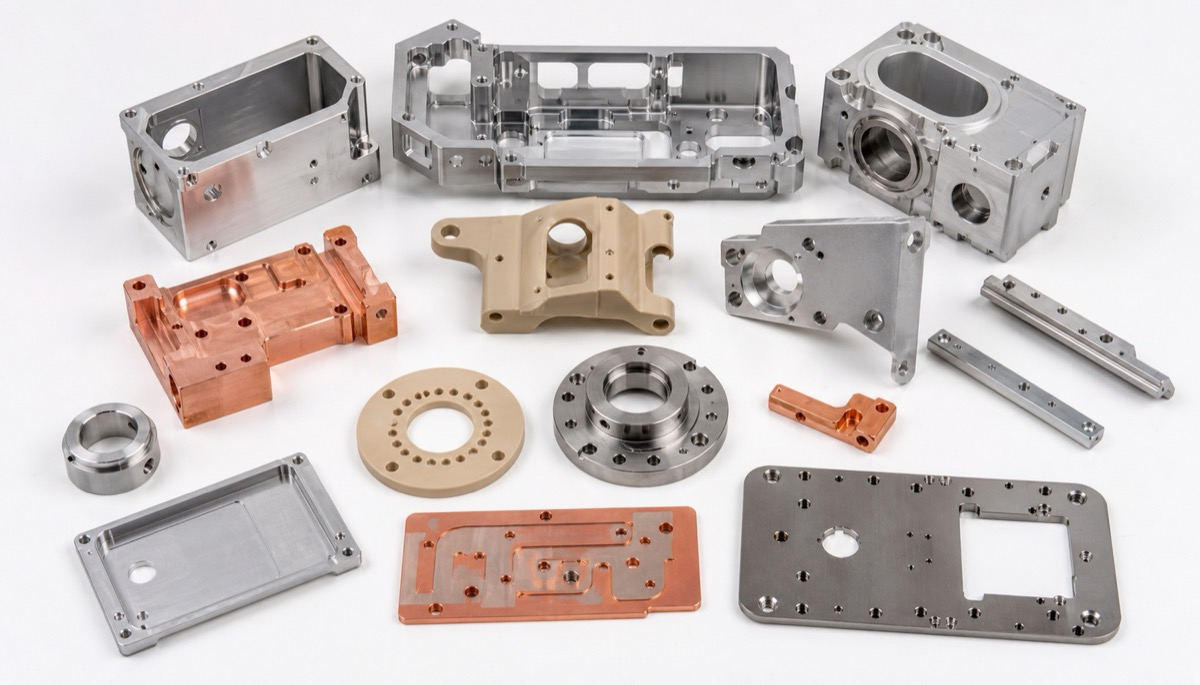
Pre-Order Checklist for Structural Engineers
| Check item | What to confirm |
|---|---|
| Drawing package | STEP, 2D tolerances, material, finish, quantity and revision |
| Critical features | Assembly datums, locating holes, flatness and threaded features |
| Quotation scope | Material, programming, setup, machining, finish and inspection assumptions |
| Inspection data | CMM report, gauges, actual values and datum method |
| Surface treatment | Film thickness, color, mask areas and visual faces |
| Repeat order | Whether process route and inspection history will be archived |
FAQ
What is the biggest risk in CNC outsourcing?
The common risks are incomplete drawings, unclear quotation scope, missing inspection standards, slow communication and no repeat-order record.
What should structural engineers evaluate first?
DFM review ability, critical-dimension inspection, engineering response speed, material and surface-treatment experience, and process records.
Does cross-city outsourcing affect delivery?
Not necessarily. If drawing revision, inspection standard, packaging and abnormal feedback are clear, Shanghai or Wuxi teams can work smoothly with a Suzhou machining partner.
Why do low-volume custom parts often need rework?
Complex structures, fast revisions, unclear key dimensions and missing first-article records can all create rework.
What should I send to OEMach for review?
Send STEP, 2D drawings, quantity, material, finish, critical dimensions, inspection requirements and target delivery window.
Summary
The best CNC outsourcing partner is not the cheapest or the closest supplier. It is the supplier that can make engineering risk visible early, inspect from the right datum, communicate exceptions clearly and preserve process records for repeat orders. For Shanghai and Wuxi teams, this cooperation quality often matters more than distance.
Ready to get a quote for your CNC machined parts?
Submit your engineering drawings to qiancj@oemach.com. We support prototype sampling and small-batch production with strict tolerance control.