
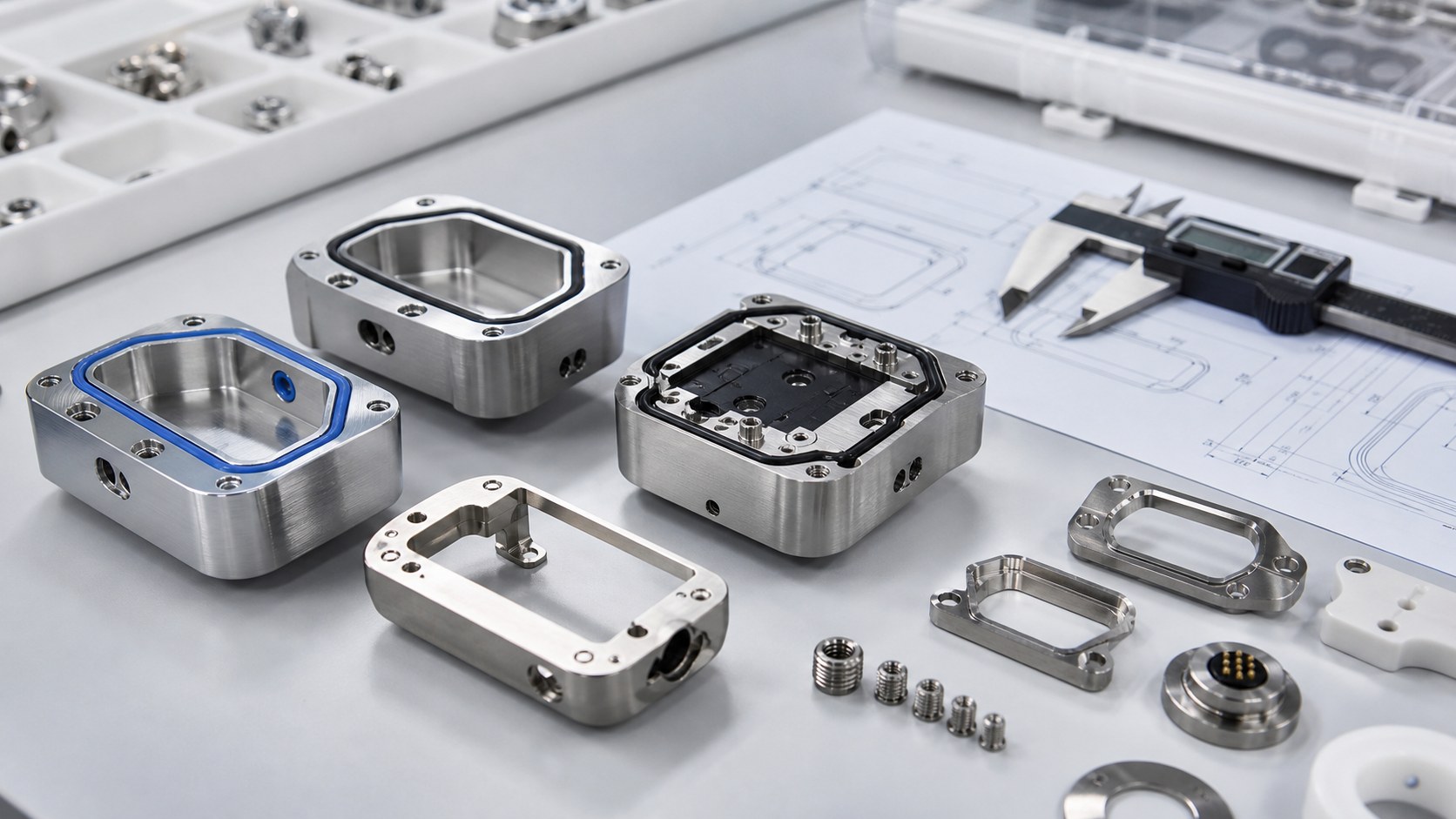
Wearable medical devices often combine small electronics, sensors, batteries, seals and skin-facing mechanical interfaces inside a very compact structure. CNC machining helps teams validate aluminum housings, stainless sensor mounts and prototype covers before tooling investment, but the parts must be designed around sealing, thread reliability, surface finish and assembly repeatability.
Compact medical electronics need functional housings
A wearable medical housing is not only a protective shell. It must locate sensors, support a gasket, hold miniature screws, protect circuit boards and remain comfortable enough for product trials. The drawing should identify sensor datum faces, gasket groove geometry, screw bosses, cable or connector openings and any surfaces that contact plastic covers or adhesive pads.
For a useful RFQ, send STEP files, 2D drawings, material grade, target finish, assembly stack information and expected prototype quantity. If the housing mates with a PCB, membrane, lens or molded cover, include those references so critical fit can be checked early.
Material choice affects weight, shielding and finishing
Aluminum alloys are common for wearable medical electronics because they are light, stable and easy to anodize. Stainless steel may be used for sensor brackets, clips or threaded inserts where wear resistance and rigidity are needed. PEEK or other engineering plastics can be used for insulating parts or radiolucent fixtures.
The material note should include grade, certificate needs, anodizing or passivation, cosmetic limits and cleaning requirements. Prototype teams should also decide whether the part is only for fit testing, engineering validation or pilot production, because that choice changes inspection depth and finish control.
Gasket grooves and sealing faces need tight control
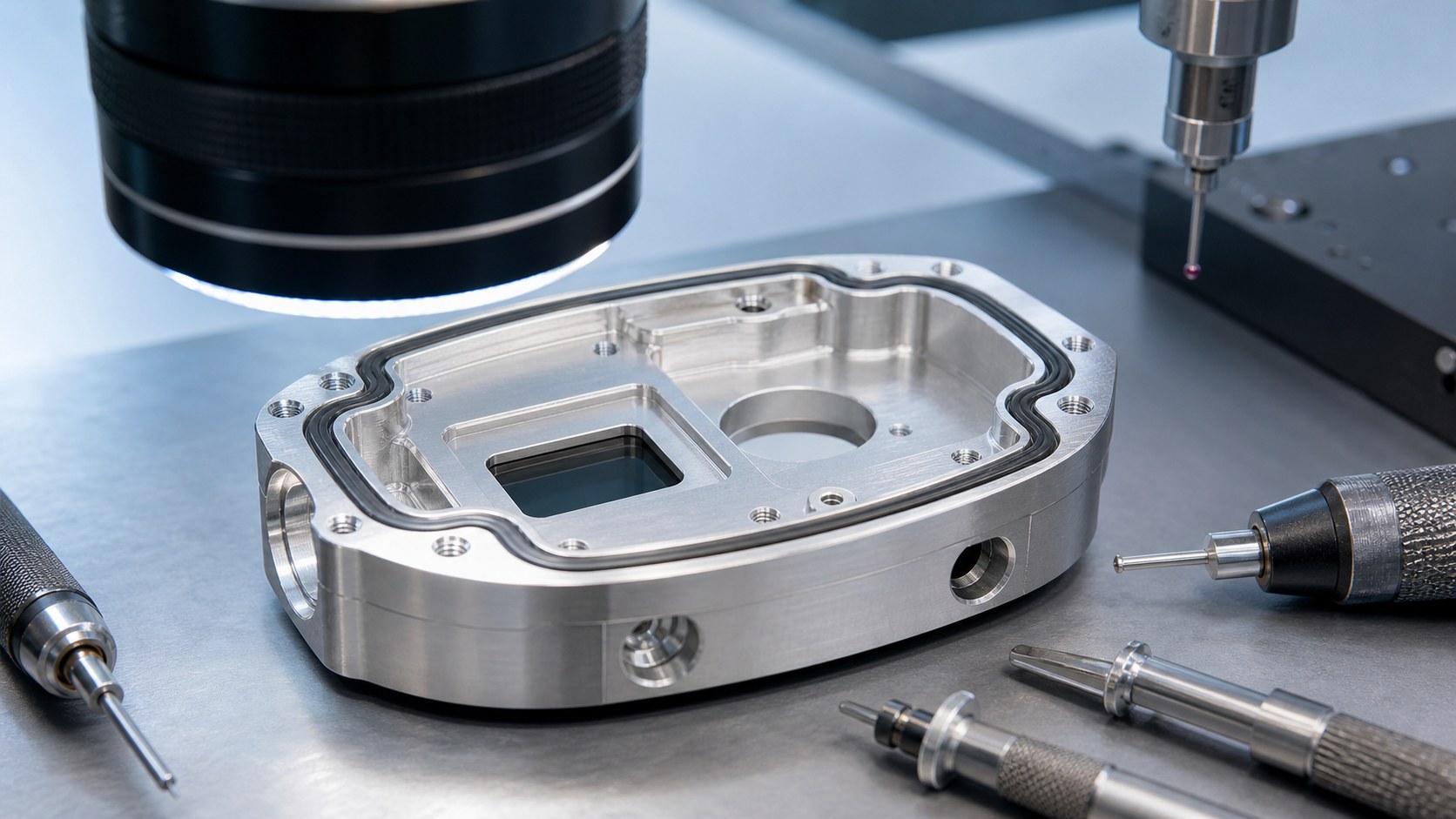
Many wearable devices need protection from sweat, cleaning fluids or daily handling. A gasket groove must control width, depth, corner radius and surface finish so the seal compresses evenly. If the groove is too rough, too narrow or has burrs at the corner, the seal may twist or leak during assembly tests.
CNC programs often use small tools and finishing passes around O-ring paths, sensor windows and cover interfaces. Inspection should include groove depth, flatness of sealing faces, optical checks of corner quality and trial assembly with the actual gasket when available.
Miniature threads are easy to damage
Small M1.4, M1.6, M2 or M2.5 threads are common in compact medical electronics, but they leave little room for tool deflection, burrs or plating buildup. Thread milling, forming or tapping should be selected according to material, depth and batch size.
Drawings should define thread depth, chamfer, torque target if known and whether inserts will be installed. Go/no-go gauges, microscope inspection and torque-driver assembly checks help confirm that the thread is reliable before device testing.
Thin walls require careful fixturing
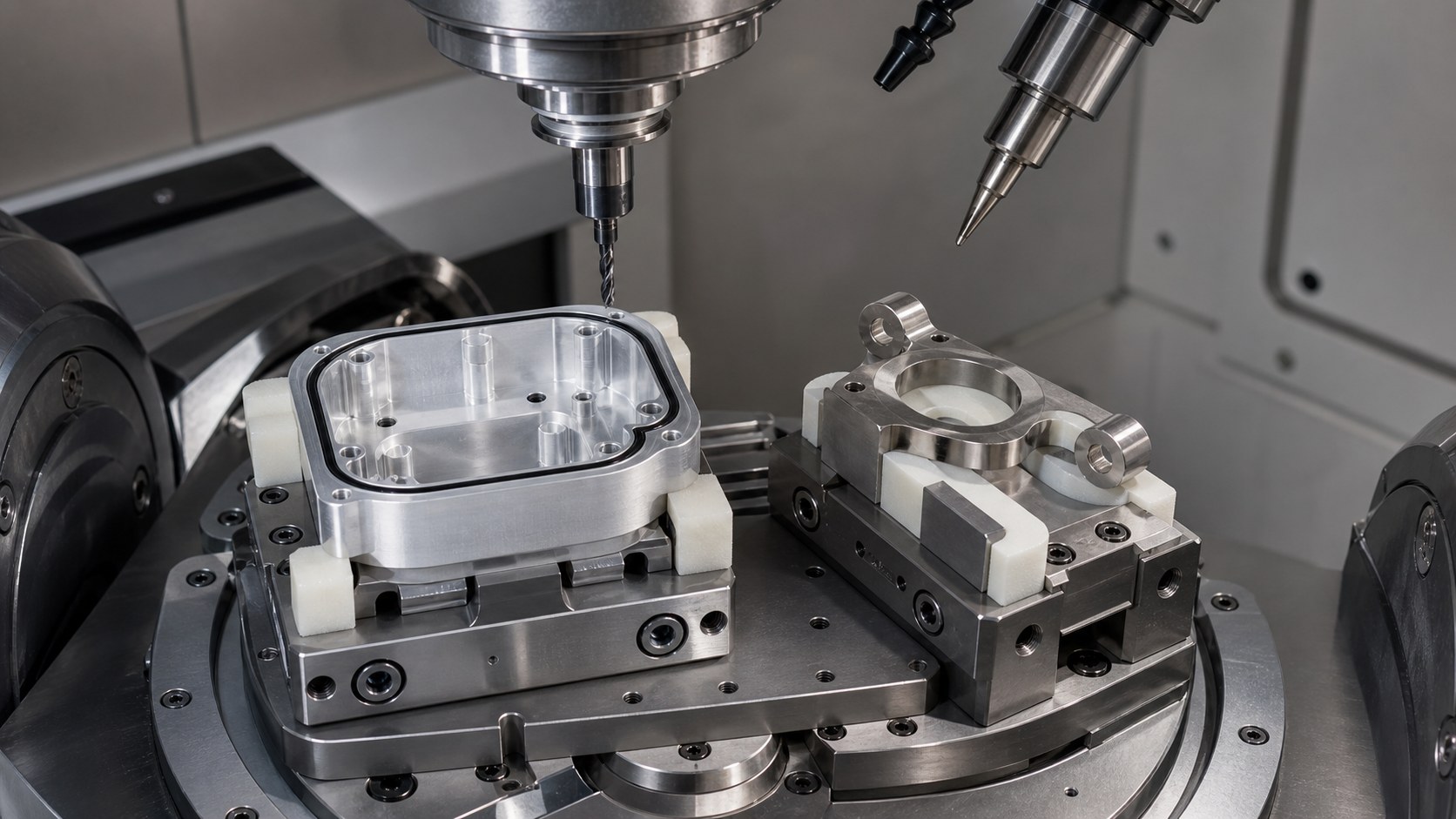
Wearable housings often include pockets, windows and thin walls to reduce size and weight. These features can chatter or distort if clamped like a simple block. Soft jaws, nested supports, staged roughing and 3+2 or 5-axis access help preserve wall thickness and flatness.
Workholding should support the part near gasket grooves and screw bosses without marking cosmetic surfaces. A stable datum plan also makes inspection repeatable when the housing is flipped for backside machining.
Finishing must protect sensor and seal areas
Anodizing, bead blasting, polishing and passivation can improve appearance and corrosion resistance, but finishing changes edges and may build thickness in threads or grooves. Masking or post-finish checks are often needed around sensor windows, connector seats, gasket grooves and miniature threads.
Burr-control notes should specify no loose burrs, controlled edge break and protected functional surfaces. Medical electronics prototypes should be cleaned so chips, abrasive media and polishing residue do not enter assemblies.
Clean packaging keeps prototypes traceable
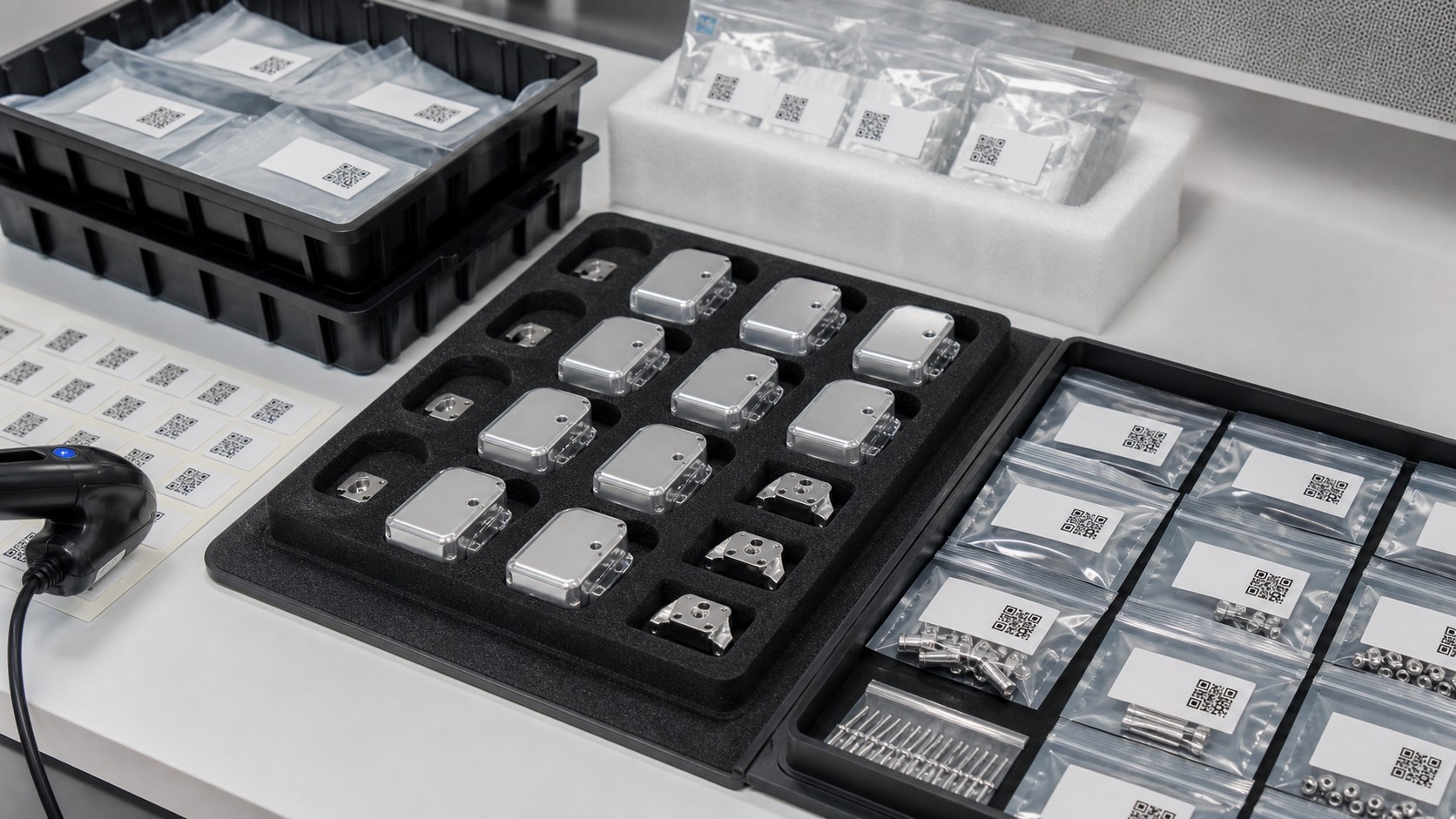
Small housings, brackets, screws and inserts can be confused easily across revisions. Individual bags, foam trays, anti-static packaging and labels help engineers match parts to drawings, lots and inspection records.
Packaging should identify part number, revision, material, quantity and inspection status. Clean separation also protects cosmetic surfaces and sealing faces during international shipping and incoming inspection.
FAQ: Wearable Medical Device Housing CNC Machining
What files should I send for a wearable medical housing quote?
Send STEP files, 2D drawings, material grade, finish requirements, gasket and PCB stack references, thread callouts, sensor datum notes and expected quantity.
Which materials are common for wearable medical device housings?
Aluminum is common for lightweight housings, stainless steel for brackets and inserts, and PEEK or engineering plastics for insulating or special test components.
How are gasket grooves inspected?
Typical checks include groove width, depth, corner radius, flatness of sealing faces, surface finish and trial fit with the actual gasket when available.
What makes miniature threads risky?
Small threads have limited engagement and are sensitive to burrs, tool wear, plating buildup and torque variation. Gauges and assembly checks are important.
Can thin-wall wearable housings be CNC machined accurately?
Yes. Soft jaws, nested supports, staged machining and stable datum planning help control thin walls, windows and screw bosses.
What documents can be supplied with medical electronics prototypes?
Common documents include material certificates, dimensional reports, thread gauge records, surface finish data, photos of key checks and packaging labels.
有零件加工需求请扫码,唐经理:17706216422(微信同号)