
For humanoid robot prototypes, CNC machining and 3D printing solve different problems. 3D printing is useful when the team needs a quick shape, space claim or visual model. CNC machining is usually better when the prototype must validate strength, bearing fits, threaded holes, sliding surfaces, sealing areas or low-volume production readiness.
The practical answer is simple: use 3D printing for early geometry review, and move to CNC machining when the part needs to behave like the final metal or engineering plastic component. Buyers should compare accuracy, material performance, surface finish, inspection needs and the next production step, not just the first sample price.
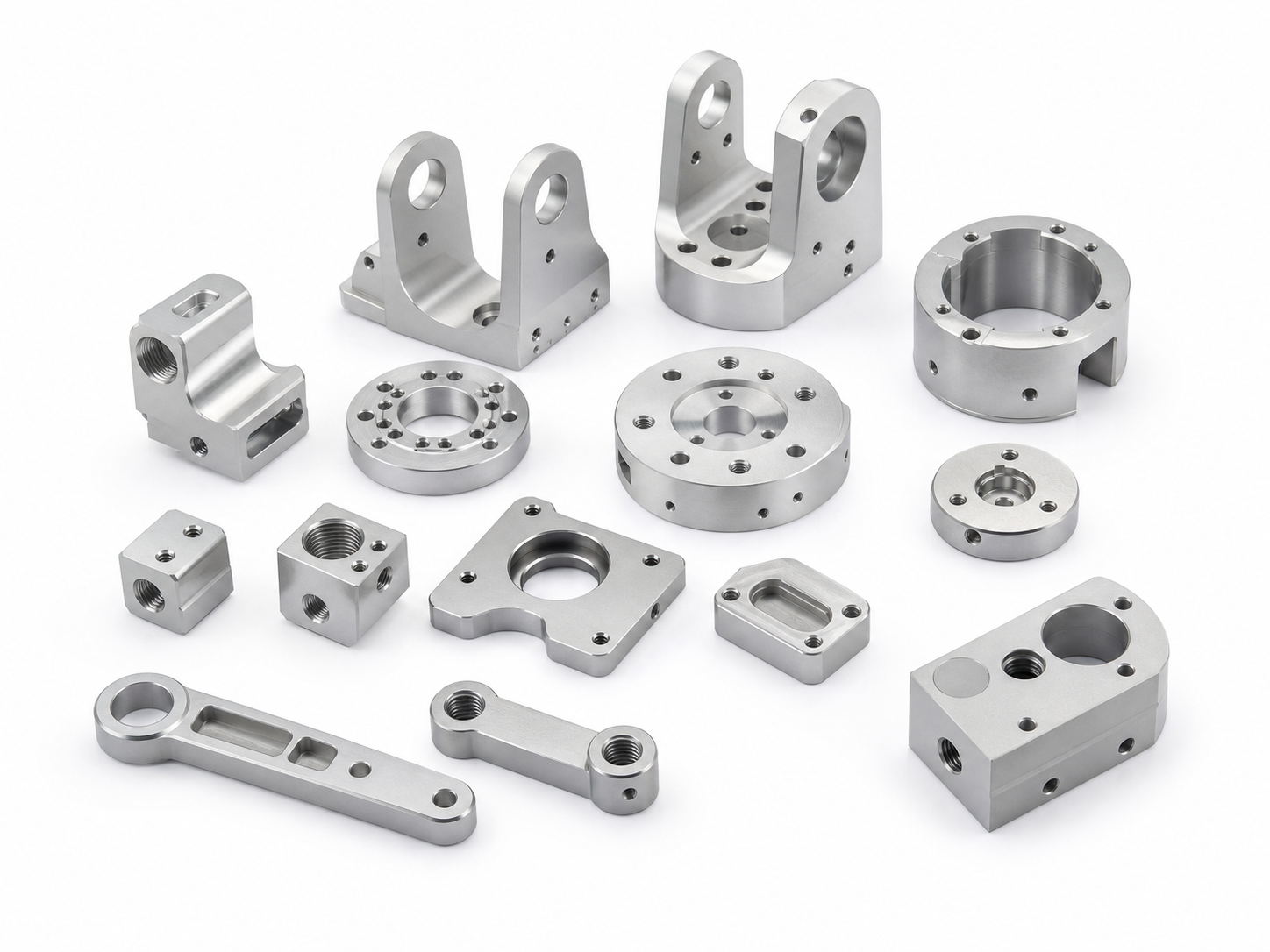
Process Comparison
| Decision point | CNC machining | 3D printing |
|---|---|---|
| Best use | Functional prototypes, assembly tests, low-volume trials | Concept models, space checks, fast visual samples |
| Material behavior | Uses real aluminum, stainless steel, POM, PEEK or other specified materials | Limited by printer process and printable material range |
| Accuracy | Better for bearing bores, dowel holes, datums and mating faces | Affected by layer thickness, shrinkage and post-processing |
| Surface finish | Can support anodizing, blasting, polishing or plating | Layer marks and finishing consistency need separate review |
| Strength testing | Closer to the final machined component | May show anisotropy or material gaps compared with production parts |
| Production link | Easier to transition into low-volume CNC production | Best for early design iteration |
When 3D Printing Is Enough
3D printing is a good first step when the part only needs to confirm external shape, packaging space, cable routing, sensor layout or hand feel. It also helps when the design is changing every day and the team does not yet want to spend money on machining fixtures or tight inspection.
However, a printed part should not be used as the final evidence for load-bearing robot structures, bearing seats, motor covers, precision brackets or parts that will later use PEEK, Al7075 or stainless steel. The printed sample may fit visually but still fail real assembly or fatigue testing.
When CNC Machining Should Be Used
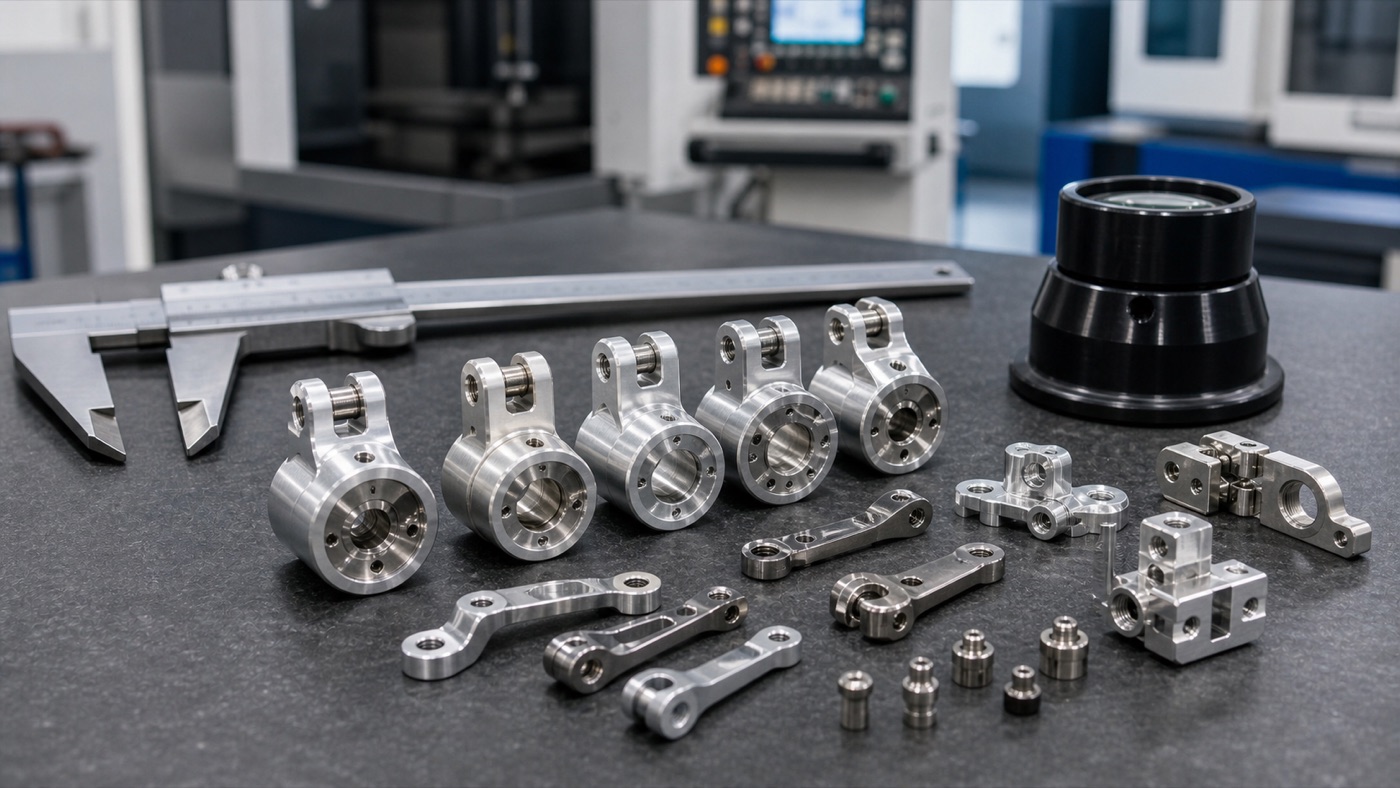
CNC machining should be evaluated early when the prototype includes bearing bores, dowel holes, threaded holes, sealing surfaces, press-fit regions, sliding faces or thin-wall aluminum structures. These features depend on real material response and repeatable inspection.
| Part feature | Why CNC helps | Buyer note |
|---|---|---|
| Bearing bores | Controls roundness, diameter and coaxiality | State final fit and inspection method |
| Dowel holes | Keeps repeat location stable | Call out tolerance and datum system |
| Threaded holes | Validates real thread strength and entry burrs | Define thread gauge and chamfer |
| Thin walls | Shows real clamping and spring-back behavior | Inspect after unclamping |
| Surface-treated parts | Allows anodizing or plating allowance planning | Define dimensions before or after finishing |
| Low-volume trials | Reuses the same process logic for 5, 10 or 50 parts | Ask whether first-article data will be repeated |
How to Judge Cost Correctly
3D printing often wins the first quote for a simple shape, but CNC may reduce total project cost when the part must enter real testing. A low-cost printed prototype can become expensive if the team later discovers that holes, stiffness, flatness or surface treatment behavior were never validated.
For robot teams, the more useful cost question is not only which sample is cheaper. It is which process reduces the next design loop, avoids rework and provides data that can be reused in low-volume production.
RFQ Checklist Before Ordering
| RFQ item | Why it matters |
|---|---|
| 2D drawing with tolerances | Separates visual dimensions from functional dimensions |
| STEP or STP file | Lets the supplier review tool access and fixturing |
| Target material | Al6061, Al7075, POM, PEEK and stainless steel behave differently |
| Quantity range | One piece, five pieces and fifty pieces have different setup logic |
| Prototype purpose | Appearance review and load testing need different processes |
| Inspection requirement | CMM, first article report or thread gauges may be needed |
How OEMach Supports This Decision
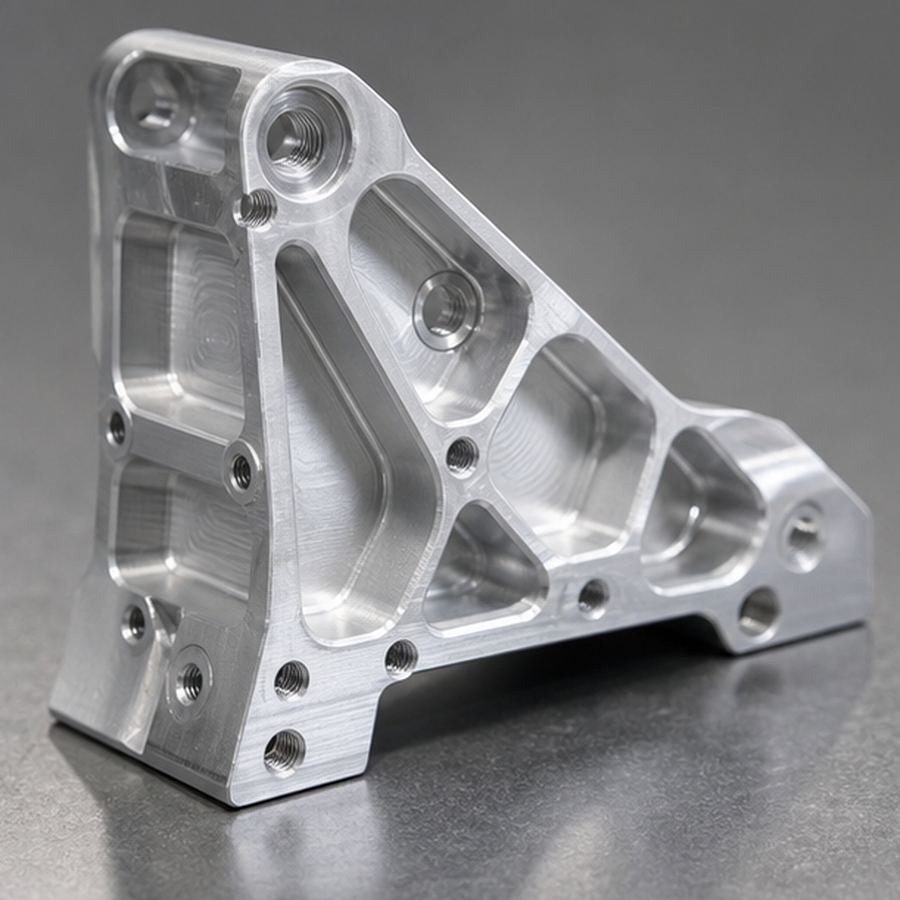
OEMach can review early robot prototype drawings and separate parts into printing-friendly concept models, CNC functional samples and low-volume machining candidates. This is especially useful for humanoid robot joints, sensor brackets, lightweight frames and PEEK or POM functional parts.
When the design is close to assembly testing, OEMach usually focuses on DFM review, material choice, critical tolerances, machining sequence, surface treatment allowance and inspection planning before quoting the part.
FAQ
Should a humanoid robot prototype start with CNC machining or 3D printing?
Use 3D printing for appearance and space checks. Use CNC machining when the part needs functional testing, assembly validation or low-volume trial production.
Why choose CNC if 3D printing is faster?
CNC can use real metals or engineering plastics and can validate functional holes, threads, flatness, strength and surface finish much more closely.
Can a robot joint housing be verified by 3D printing?
It can be used for shape review, but bearing bores, mating faces, threaded holes and load-bearing tests should be verified with CNC machined samples.
Is CNC suitable for small batches of robot parts?
Yes. CNC is flexible for 5, 10, 20 or 50 pieces, especially when the design may still change before volume production.
Why is DFM review important before CNC prototyping?
DFM review can find thin-wall deformation, tool interference, clamping difficulty and unrealistic tolerances before machining starts.
Summary
CNC machining and 3D printing should not be judged only by sample price. For humanoid robot prototypes, 3D printing is useful for fast geometry checks, while CNC machining is better for real material behavior, precision fits and low-volume production readiness. Clear drawings, material notes and inspection requirements help the supplier choose the right process early.