
Medical device CNC machining is different from ordinary industrial part production. The parts may be small, but the expectations are high: stable dimensions, clean edges, controlled materials, traceable documents and inspection evidence that can support engineering validation. For overseas buyers, the RFQ should not only describe the shape of the component. It should also define the quality risks that matter for medical equipment, diagnostic devices, surgical tools and fluid-handling assemblies.
Typical medical CNC parts include stainless steel connectors, titanium brackets, miniature manifold blocks, surgical instrument links, imaging equipment mounts, PEEK or PTFE insulating parts and precision sleeves. Many of these components combine tiny holes, thin walls, threaded ports, sealing faces and cosmetic surfaces in one part. That is why manufacturing review should begin before purchase order release, ideally at the RFQ stage.
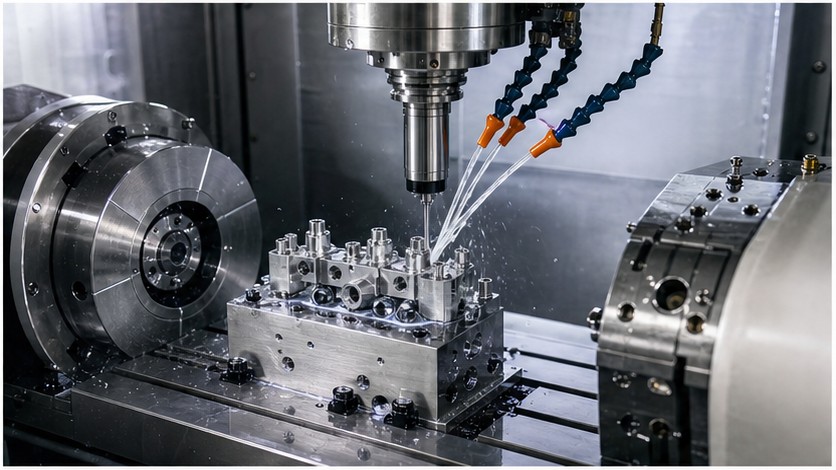
Material selection is the first review point. Stainless steel 304 and 316 are common when corrosion resistance and cleanability matter. Titanium is useful for lightweight high-strength parts, but it needs careful cutting strategy and stable inspection planning. PEEK, PTFE and other engineering plastics may be chosen for insulation, chemical resistance or low friction. Buyers should specify the exact grade, certificate needs and whether substitute materials are allowed. For medical-related parts, material traceability can be as important as machining cost.
Small features need realistic tolerance control. Micro holes, thin slots, fine threads and narrow sealing grooves are easy to draw but harder to machine, deburr and inspect. A very tight tolerance on every feature may increase cost without improving function. A better approach is to mark critical-to-function dimensions, datum faces, sealing interfaces, assembly holes and inspection points clearly. Non-critical clearance features can use practical tolerances.
Burr control is especially important for medical components. A small burr inside a fluid passage, threaded port or micro hole can affect flow, sealing, assembly or cleanliness. External cosmetic burrs may be easy to see, but internal burrs can be hidden. If the part has intersecting holes, blind pockets or miniature channels, the buyer should define deburring and cleaning expectations in the RFQ. For high-risk features, the supplier may need microscope inspection or special cleaning steps.
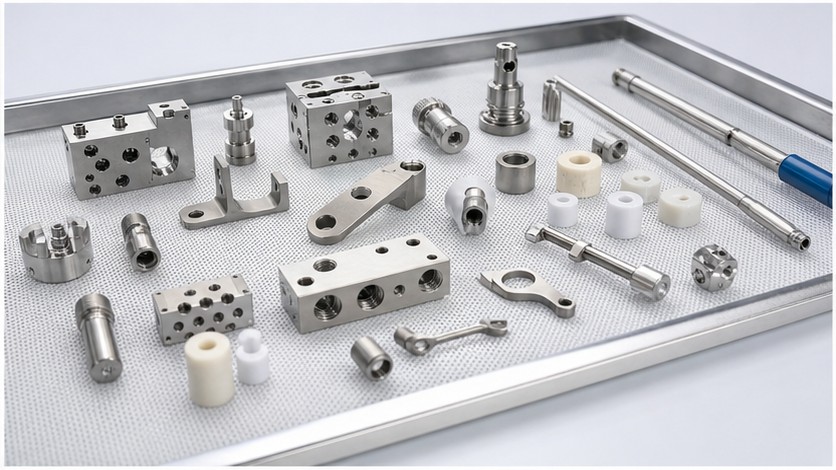
Surface finish should match the application. Some medical equipment parts only need a clean machined finish, while others require polishing, passivation, anodizing, bead blasting or coating. The surface that contacts a seal, sleeve, bearing or optical reference may need a different finish from non-functional faces. Buyers should avoid applying one strict roughness requirement to the whole part unless it is truly necessary. Marking functional surfaces helps control both cost and quality.
Fixturing strategy affects repeatability. Small medical components are often difficult to clamp without distortion. Thin titanium parts, small PEEK insulators and miniature stainless steel connectors may need soft jaws, custom fixtures or staged machining. If the part will move from prototype to small-batch production, a dedicated fixture can improve consistency. The RFQ should mention expected quantity and whether the order is prototype, validation batch or repeat production.
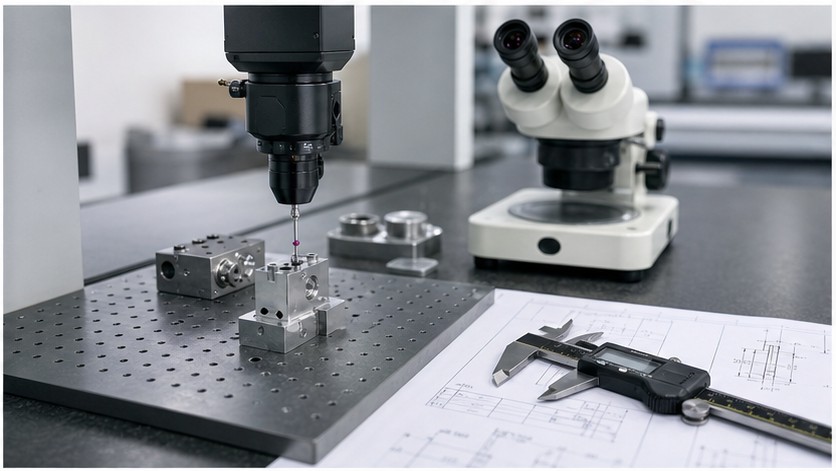
Inspection planning should be defined early. Calipers may be enough for simple outside dimensions, but micro holes, positional tolerances, flatness, sealing faces and multi-axis features may require CMM, microscope, pin gauges, thread gauges or surface roughness measurement. If the buyer needs a dimensional report, first article inspection, material certificate, passivation certificate or special packaging record, those requirements should be included before quotation.
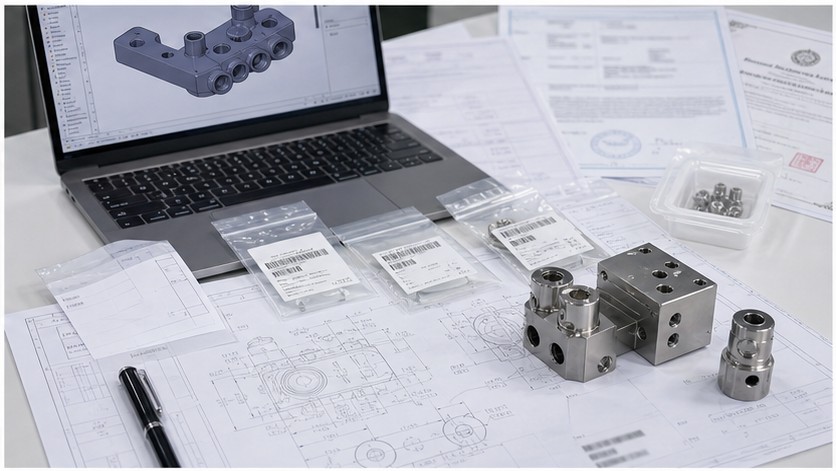
Cleanliness and packaging also matter. Medical-related machined parts may need protection from chips, oil, fingerprints, dust or mixed lots. Clean bags, separated cavities, labels by drawing revision and batch traceability can prevent confusion during incoming inspection. If parts must be cleaned ultrasonically, packed individually or kept free from certain residues, these details should be specified rather than assumed.
Documentation should match the project risk. A prototype for fit testing may only need basic material confirmation and key dimension checks. A validation batch may require full dimensional reports, inspection photos, material certificates and process notes. A repeat order may need consistent lot labeling and revision control. The supplier can quote more accurately when the document package is clear from the start.
A strong medical CNC RFQ includes STEP or STP files, 2D drawings, material grade, quantity, finish, tolerance notes, critical dimensions, cleanliness needs, inspection reports, certificate requirements and packaging instructions. If the part touches fluid, skin, optics, electronics or a sterile pathway, explain the function briefly. This helps the machining team review risk from the intended use, not only from the geometry.
OEMach supports custom CNC machining, CNC milling, CNC turning, 5-axis machining, prototypes and low-volume production for medical device components and precision equipment parts. When material, inspection, cleanliness and packaging requirements are defined before quotation, the final parts are easier to validate and approve. The goal is not only to machine a small part, but to deliver a reliable component with the right evidence for engineering use.
FAQ: Medical Device CNC Machining
What files should I send for a medical CNC machining quote?
Please send STEP or STP files plus 2D drawings. The drawing should show material grade, quantity, finish, critical dimensions, burr control, inspection report needs and any packaging or traceability requirements.
Which materials are commonly used for medical device machined parts?
Common choices include stainless steel 304 or 316, titanium, PEEK, PTFE and other engineering plastics. The best choice depends on strength, corrosion resistance, insulation, chemical exposure, cleanability and certificate requirements.
Can small holes and micro features be inspected reliably?
Yes, but the inspection method must match the feature. Micro holes, fine slots and tight positional features may require microscope checks, pin gauges, CMM inspection or dedicated fixtures rather than only caliper measurement.
How should burr control be specified for medical components?
Mark intersecting holes, fluid paths, sealing faces and patient- or device-facing edges clearly. If no loose burrs, no internal chips or microscope inspection is required, include that requirement in the RFQ before quotation.
Do medical CNC parts need special cleaning or packaging?
Many medical-related parts need clean handling, separated packaging, lot labels or residue control. If ultrasonic cleaning, individual bags, protective trays or revision labels are needed, those details should be specified before production.
What documents can be supplied with medical machined parts?
Depending on the project, buyers may request dimensional reports, first article inspection, material certificates, passivation certificates, inspection photos, packaging records or lot traceability information.
有零件加工需求请扫码,唐经理:17706216422(微信同号)