
Requirements for 316L material, passivation and cleanliness in custom medical-device parts should not remain verbal instructions; they must be defined in drawings, technical specifications and acceptance documents. During review, OEMach links material traceability, surface condition and critical assembly surfaces into one verifiable requirement set.
316L is often selected for medical device-related parts, not just for corrosion resistance, but also for material certification, surface condition, passivation, cleaning and subsequent assembly environments. If the drawing is only marked with "316L" or "Deburring", different suppliers may have different understandings of surface treatment and acceptance: some will deliver according to conventional machining, while others will add passivation and cleaning, but the actual requirements have not yet been quantified.
Key project confirmation items
| Technical requirement | Drawings or technical specifications suggestions | Risks that are easy to miss |
|---|---|---|
| Material | 316L Grade, Status, Documentation and Substitution Rules | Material sources and batches cannot be traced |
| surface state | Roughness, scratch limit, deburred area | Assembly stuck or difficult to clean |
| passivation | Whether it is necessary, implementation standards, and appearance requirements after treatment | Corrosion resistance performance is inconsistent with expectations |
| cleanliness | Target area, packaging method and acceptance method | Chips or oil remaining after delivery |
The material grade should be written together with the traceability requirements
First confirm whether 316L is a material grade requirement, or whether it also requires a heat batch, material certificate or specific standard. For components with different load-bearing, contact, cleaning or corrosive environments, the material status, heat treatment status and substitution rules should also be clearly stated. If it is allowed to use equivalent brands or blanks of specified specifications, it should be stated in advance, otherwise the procurement cycle and cost of small batches will fluctuate greatly.
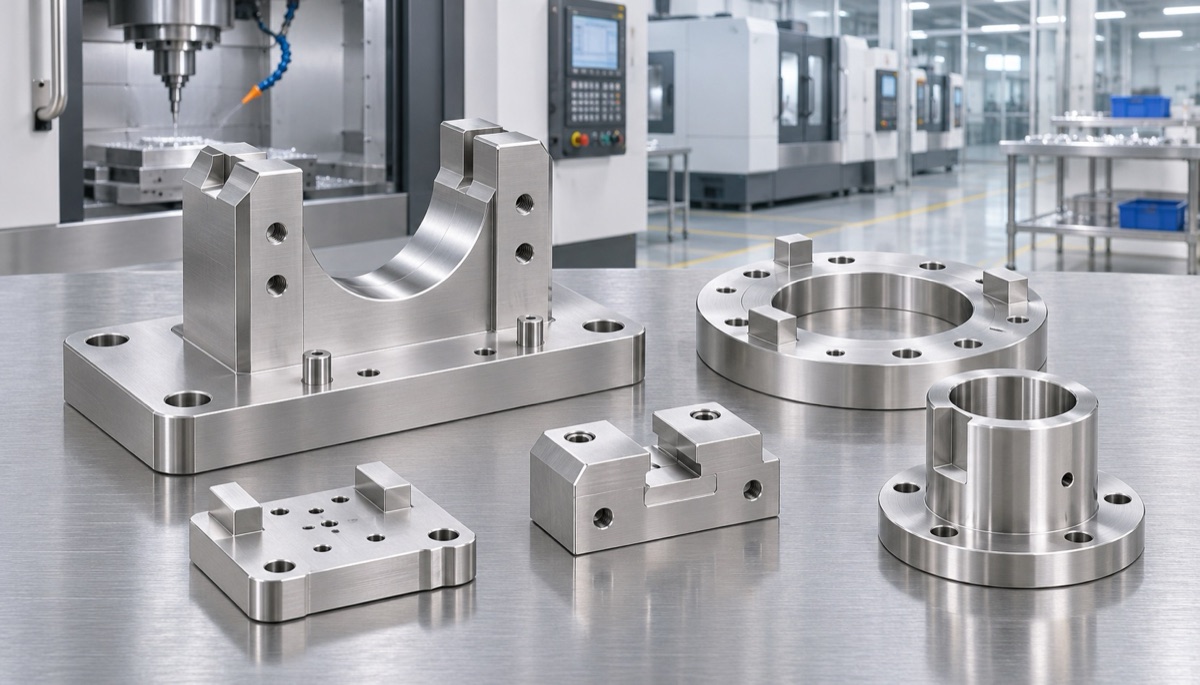
CNC machining of 316L stainless steel precision fixture parts for medical devices.
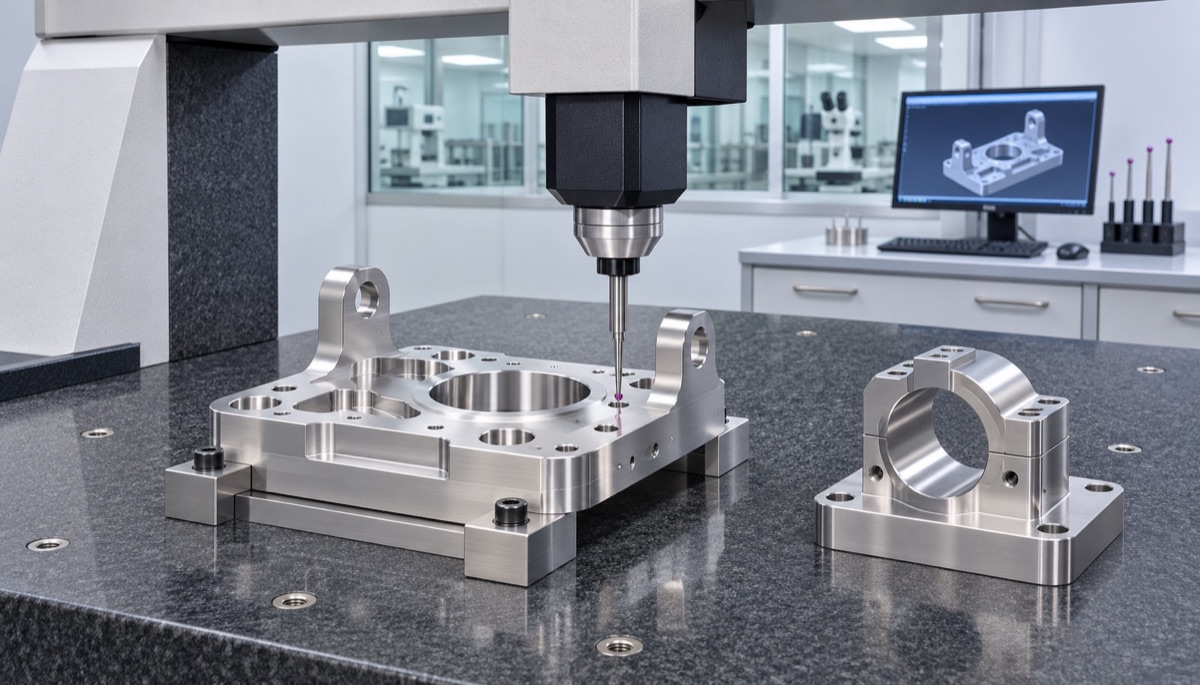
Three-dimensional coordinate inspection of hole positions and reference surfaces of 316L non-standard parts of medical devices.
Passivation is no substitute for machining quality
Passivation can improve the corrosion resistance of stainless steel surfaces, but it cannot repair obvious burrs, tool marks, pinches or deep scratches. During the machining stage, it is still necessary to clarify the different requirements for sealing surfaces, sliding surfaces, contact surfaces and invisible surfaces. For structures with cavities, cross-holes and threads, attention should also be paid to cleaning accessibility and residue escape paths.
Cleanliness needs clear delivery language
"Clean delivery" is too broad. A more executable way is to indicate which areas must not have chips, oil or burrs, whether ultrasonic cleaning, drying, protective packaging is required, and what method of acceptance is used. OEMach recommends that material certification, critical dimension reports, surface treatment and packaging requirements be given to the processor simultaneously to avoid adding additional processes until the parts are completed.
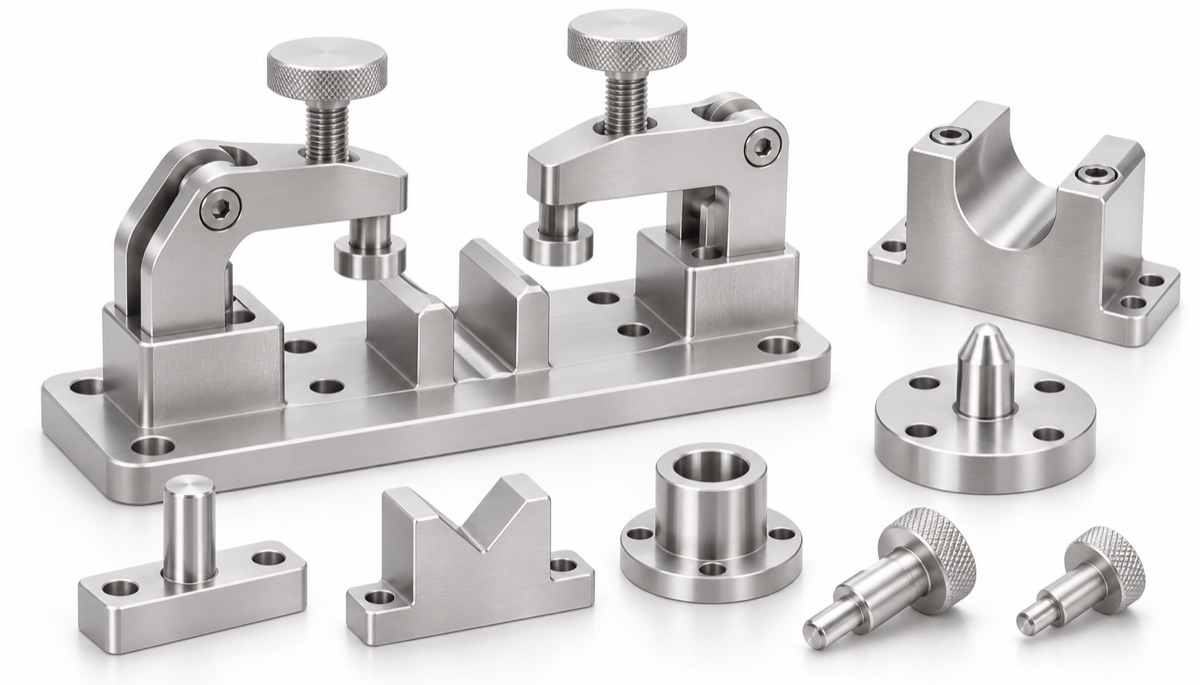
Precision positioning and clamping parts of medical devices that have completed passivation treatment.
Summary
Reliable delivery of non-standard parts for medical devices comes from verifiable material, surface and cleaning requirements. Only by writing these conditions into drawings and acceptance documents can quotation, production and acceptance follow the same standards.
FAQ
Can 316L and 304 be substituted for each other?
Should not be overridden by default. It needs to be judged based on the use environment, drawing requirements, material certification and functional risk.
Will the dimensions change after passivation?
Usually the changes are small, but the machining sequence and acceptance requirements for tight fits, threads and high-precision surfaces should still be specified in the technical conditions.
Do medical device parts have to be mirrored?
Not necessarily. Reasonable roughness should be set according to contact, cleaning, sliding and appearance requirements. Excessive machining will increase costs.
How to write cleanliness effectively?
The target area, contaminant restrictions, cleaning methods, packaging requirements and acceptance methods should be clearly stated.
Can material certification be provided for small batches?
Yes, but it needs to be stated during the inquiry. Material procurement and document costs will be included in the quotation and delivery date.
Ready to get a quote for your CNC machined parts?
Submit your engineering drawings to qiancj@oemach.com. We support prototype sampling and small-batch production with strict tolerance control.