
Differences in small-batch precision machining quotes are not explained by unit price alone. They reflect material utilization, programming and fixturing, inspection scope, and the depth of first-article validation. Before quoting, OEMach first confirms drawing completeness, key characteristics and the actual acceptance method.
If the same precision parts drawing is sent to different factories, the quotations may vary greatly. It is easy for the purchasing side to interpret the difference as material fees or profits. In fact, for small-volume projects, programming, clamping, first article confirmation, testing and post-machining often drive up costs more than the materials themselves. A low quotation does not necessarily mean that there is less workmanship, and a high quotation does not necessarily mean that unnecessary requirements have been added. The key lies in whether both parties have clearly stated the acceptance boundaries.
Key project confirmation items
| cost link | Key information affecting quotation | Things the purchasing side can do in advance |
|---|---|---|
| Materials and blanks | Grade, specification, allowance, material certification and surface treatment | Clarify whether alternative specifications and remnant utilization are allowed |
| Programming and clamping | Complex surfaces, number of clampings, datum and batch size | Provide a 3D model and mark key functional surfaces |
| inspection | Dimensional tolerances, geometric tolerances, reporting and sampling inspection ratios | Distinguish between items that must be fully inspected and items that can be randomly inspected |
| First article verification | Trial assembly, mating parts, number of iterations and confirmation nodes | Give the real assembly conditions and confirmer |
Material utilization is not just about blank size
Material cost will be affected by grade, specification, purchase minimum order quantity and remaining material utilization rate. For small batches of special-shaped parts, when the gap between the rough shape and the finished product is large and the material is difficult to reuse, the amortization of the single piece of material will increase significantly. In addition to the material grade, it should also be stated whether alternative specifications are allowed, whether the original material certification is specified, and whether post-machining such as aluminum anode, stainless steel passivation or engineering plastic annealing is involved.
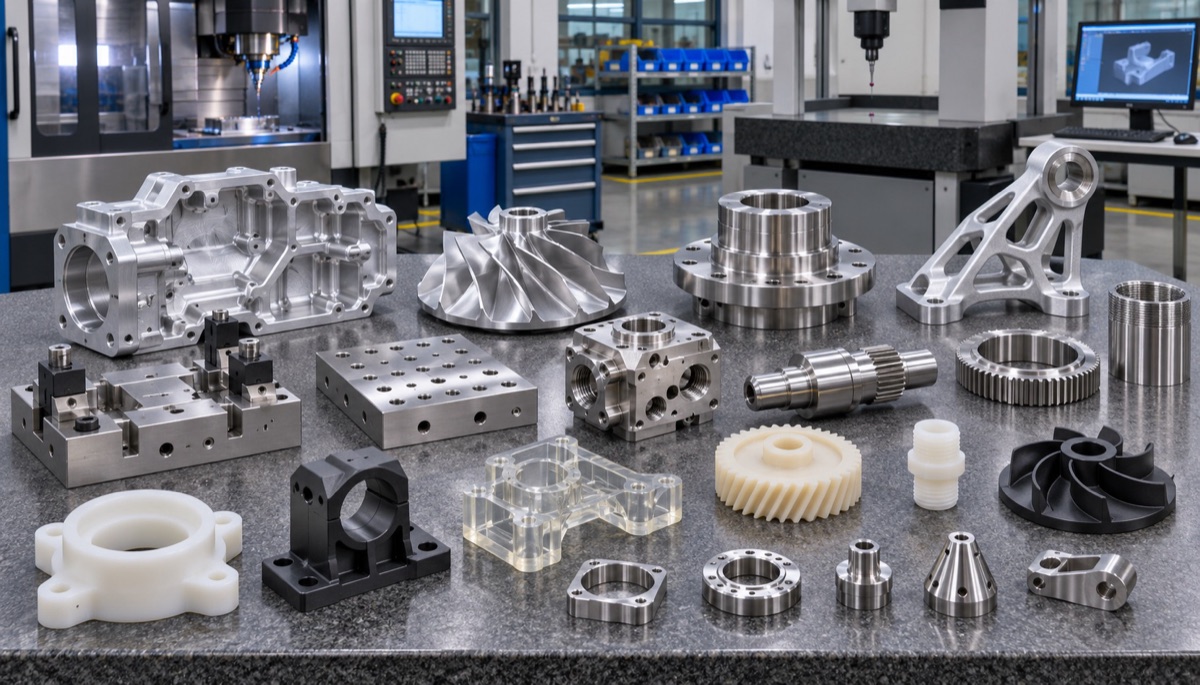
Multi-material and multi-process sample combinations for small batches of precision parts.
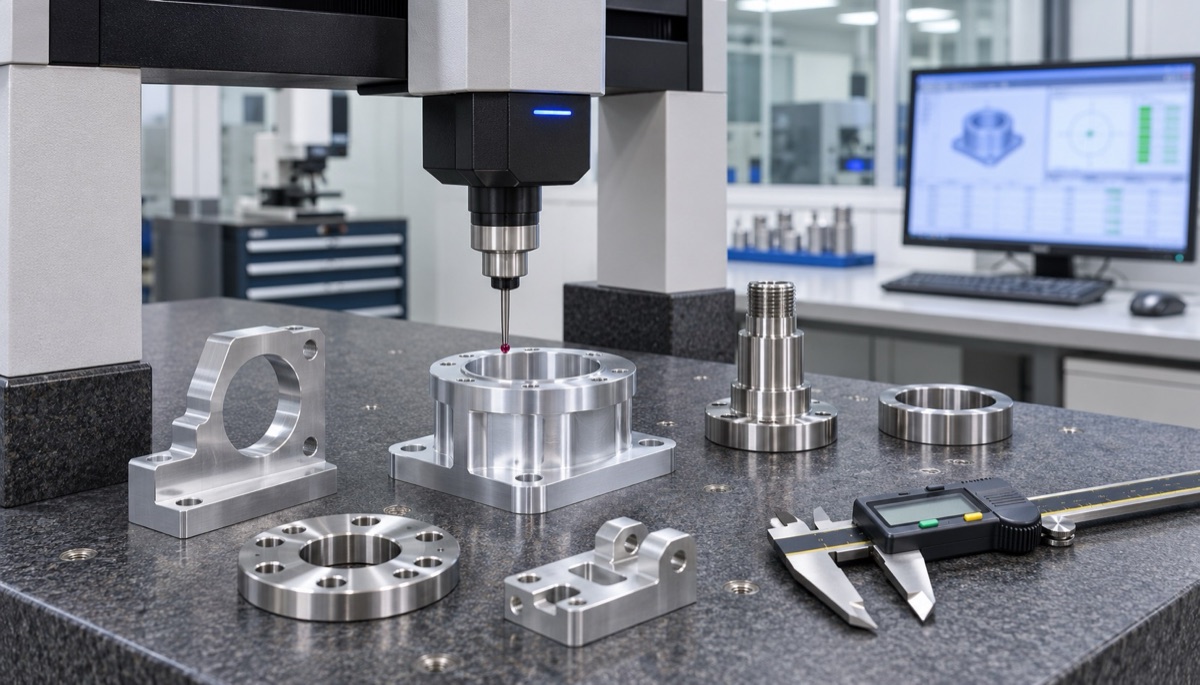
CMM and measuring tools inspect critical dimensions of small batches of precision parts.
Inspection requirements must be specific and executable
"High accuracy" is not an acceptance condition for quoting. It is necessary to clarify which dimensions require full inspection, which geometric tolerances require three-dimensional coordinate reporting, and whether material certification, first article report, full appearance inspection and batch traceability are required. Treating all dimensions according to the strictest standards will significantly increase the waiting time for inspection and production; separating key items from ordinary items can allow costs to be spent on locations that really affect functionality.
First article verification determines whether subsequent batches are stable
The first article in the R&D and proofing stage is not just “make one piece first”. It should include confirmation of critical dimensions, trial assembly of mating parts, assembly actions or functional verification, as well as which benchmarks and inspection items will be used in subsequent batches. OEMach recommends writing the first article confirmation points into the inquiry information to avoid adding key requirements after the parts are ready, which may lead to repeated modifications and extended delivery time.
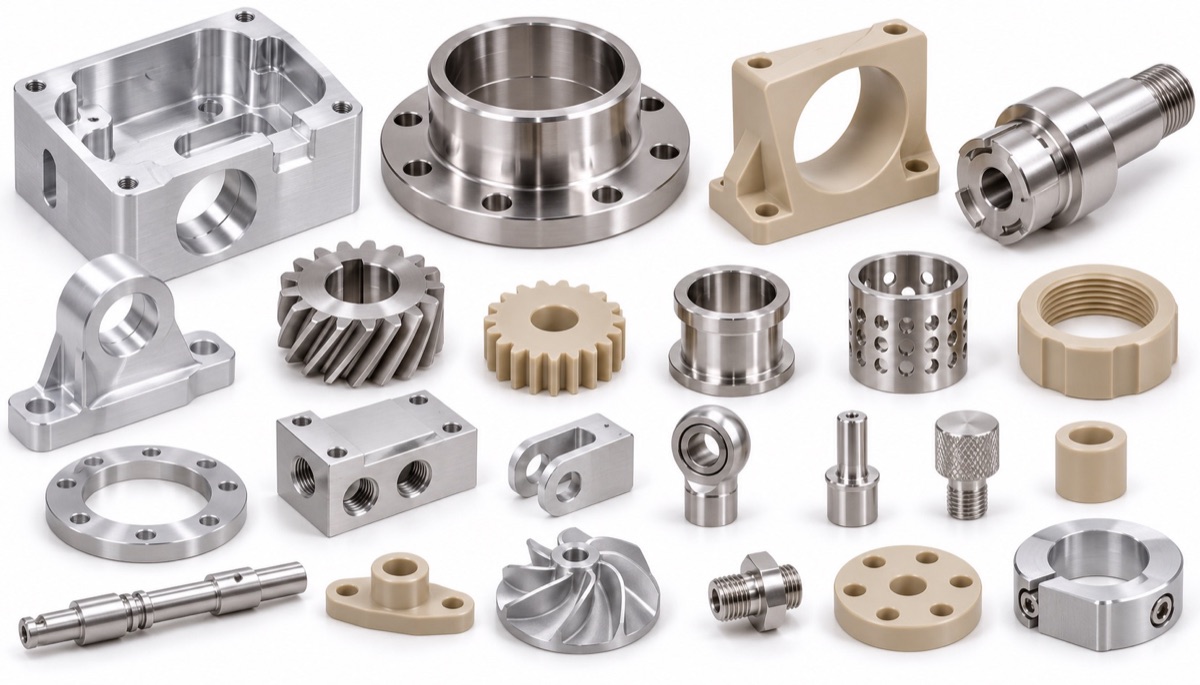
Suitable for R&D and proofing of aluminum alloy, stainless steel and engineering plastic precision parts.
Summary
The core of quoting small batch precision parts is to clearly explain the boundaries of materials, processes, testing and first article verification. The more complete the information, the more comparable the quotes and the lower the subsequent delivery risk.
FAQ
Can I do just one?
Yes, but the cost of programming, clamping and first-piece inspection will be amortized for a single piece, and the quotation logic is different from that of batch parts.
Why are the quotes for the same materials so different?
In addition to materials, it is also affected by blank utilization, number of clampings, tools, inspection, surface treatment and delivery time.
Is the more complete the three-dimensional coordinate report the better?
The selection should be based on functions and acceptance requirements. Full-scale inspection will increase costs and cycles, and full inspection of key items is more targeted.
Can I quote without a 3D model?
Two-dimensional drawings can be used for preliminary quotation, but complex surfaces, multi-faceted relationships and assembly interference are more suitable for providing three-dimensional model confirmation.
Can I still change the drawing after the first article is confirmed?
Yes, but the affected datums, processes, inspection items and delivery dates should be re-identified instead of only modifying local dimensions.
Ready to get a quote for your CNC machined parts?
Submit your engineering drawings to qiancj@oemach.com. We support prototype sampling and small-batch production with strict tolerance control.