
304 and 316 stainless steel are two of the most common materials used for CNC machined parts that need strength, durability and corrosion resistance. They look similar on a drawing, but the best choice depends on the working environment, cost target, finish and inspection requirement.
304 stainless steel is usually the practical choice for general corrosion-resistant parts. 316 stainless steel is selected when the part will face chlorides, marine environments, stronger cleaning chemicals or more demanding corrosion exposure.
This guide explains how buyers and engineers can compare 304 and 316 stainless steel before sending a CNC machining RFQ.
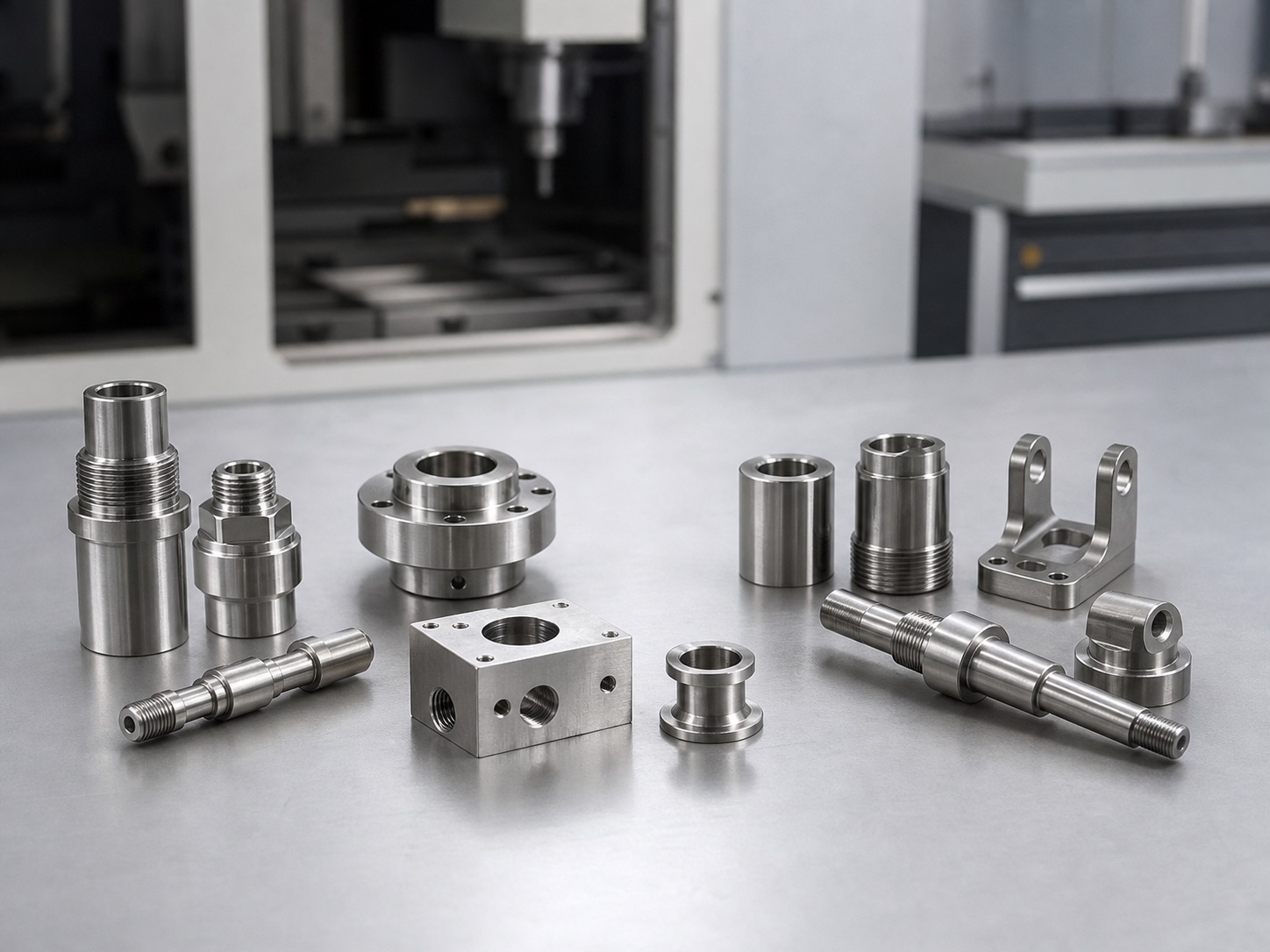
Quick Answer: Choose 304 or 316?
Choose 304 stainless steel when the part needs general corrosion resistance, good strength and a more cost-effective material for indoor, industrial or general equipment use.
Choose 316 stainless steel when corrosion risk is higher, especially around salt water, chloride cleaners, chemical exposure, medical cleaning, outdoor humidity or long service life requirements.
| Decision point | 304 stainless steel | 316 stainless steel |
|---|---|---|
| Best overall use | General stainless CNC parts and industrial components | Parts exposed to chloride, marine, medical or chemical environments |
| Corrosion resistance | Good for many normal environments | Better in chloride and harsher corrosion conditions |
| Cost priority | Usually lower material cost | Usually higher material cost |
| Machining cost | Both are slower than aluminum and need careful cutting control | Similar, sometimes more expensive due to material and inspection expectations |
| Surface finish | Good for passivation, brushing and polishing | Good for passivation and corrosion-focused finishes |
| When uncertain | Use if environment is not aggressive | Review if corrosion failure would be costly |
Why 316 Stainless Steel Resists Corrosion Better
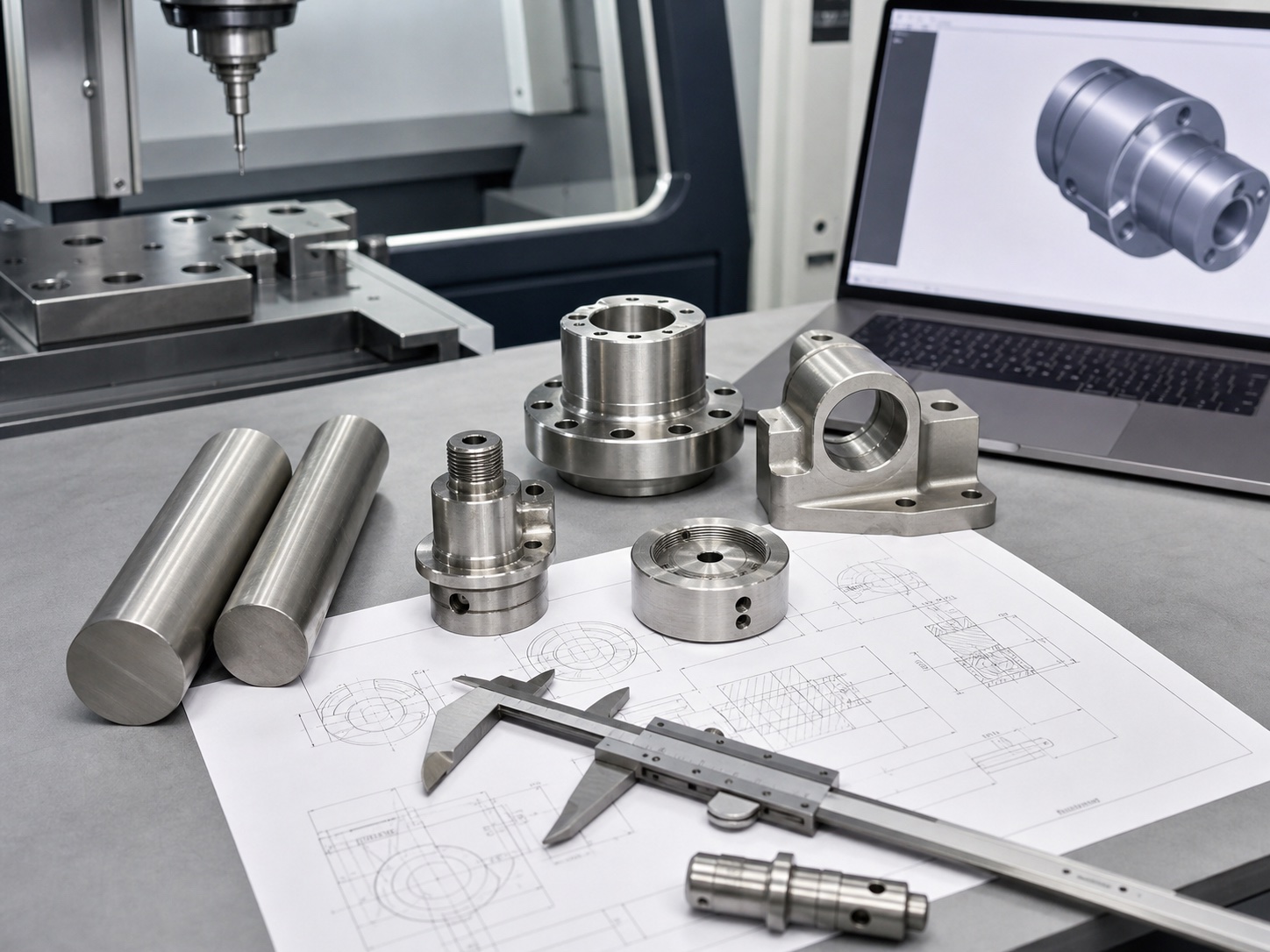
The key difference is molybdenum. 316 stainless steel contains molybdenum, which improves resistance to pitting and crevice corrosion in chloride environments. This is why 316 is often used for marine, chemical, medical and outdoor applications.
304 stainless steel still offers good corrosion resistance for many applications. It is widely used in equipment, brackets, housings, shafts, fittings and food-related components where the environment is not highly chloride-rich.
| Environment | 304 stainless steel | 316 stainless steel |
|---|---|---|
| Indoor mechanical equipment | Often suitable | Usually not necessary unless cleaning or corrosion risk is high |
| Outdoor humidity | May be suitable with finish review | Safer choice for long service life |
| Salt spray or marine air | Higher risk of pitting | Better choice |
| Chemical cleaning | Depends on chemical and concentration | Often preferred, but still needs chemical review |
| Medical or laboratory use | Can be used for some fixtures and tools | Often preferred for stronger cleaning and corrosion resistance |
| Food or washdown equipment | Common in many applications | Preferred when chlorides or harsher cleaning are present |
When 304 Stainless Steel Is the Better Choice
304 is a strong default for many CNC machined stainless steel parts. It provides a good balance of corrosion resistance, strength, availability and cost. If the part is used in a normal indoor or industrial environment, 304 may meet the functional requirement without the added cost of 316.
It is suitable for many shafts, brackets, bushings, fittings, plates, enclosures, food equipment parts, sensor mounts and general precision components.
| Use 304 for | Why it works |
|---|---|
| General industrial parts | Good corrosion resistance with lower material cost |
| Indoor brackets and fixtures | Strong and durable without unnecessary grade cost |
| Food equipment components | Common choice when the cleaning environment is not highly chloride-rich |
| Prototype stainless parts | Easier cost control when final corrosion requirement is still being reviewed |
| Shafts, spacers and fittings | Good strength and stainless appearance for many mechanical uses |
When 316 Stainless Steel Is Worth the Cost
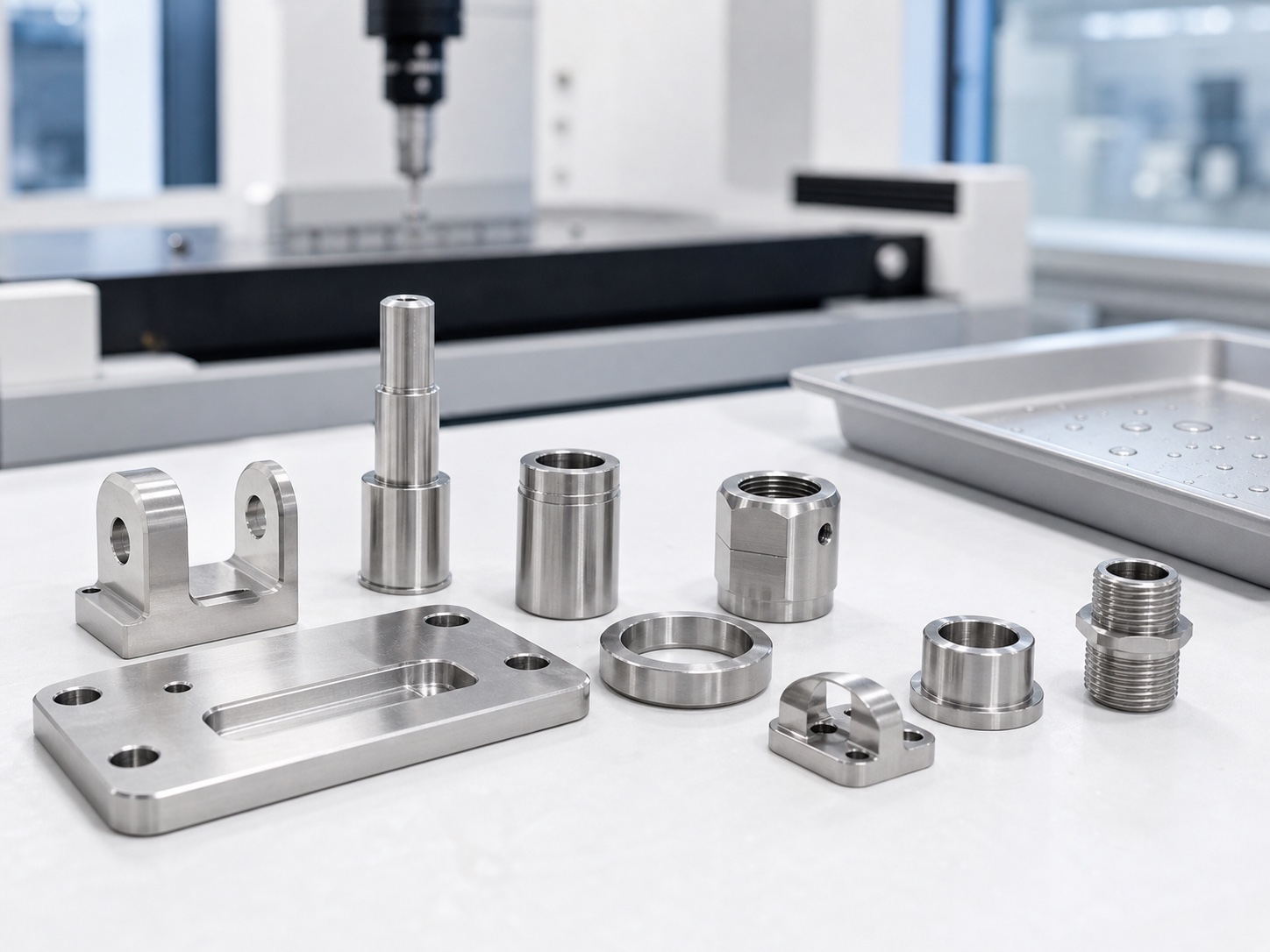
316 is worth the cost when corrosion resistance is part of the product function. If pitting, staining or premature corrosion would cause failure, hygiene risk or warranty issues, 316 may be the safer material choice.
It is often reviewed for marine parts, medical fixtures, chemical equipment, outdoor components, washdown parts and products exposed to chloride cleaners or salt water.
| Use 316 for | Reason | RFQ note |
|---|---|---|
| Marine or salt-air components | Better chloride corrosion resistance | State salt exposure and expected service life |
| Medical fixtures and tools | Better resistance during cleaning and sterilization review | State cleaning method and documentation needs |
| Chemical equipment parts | Improved corrosion resistance in many environments | State chemical, concentration and temperature |
| Outdoor precision components | More margin against staining and pitting | Review finish, passivation and inspection |
| Washdown parts | Better when chlorides or aggressive cleaners are used | Define cleaner type and frequency |
CNC Machining Considerations for 304 and 316
Both 304 and 316 are tougher to machine than aluminum. They can work-harden, generate heat and create burrs if cutting parameters, tooling and coolant are not controlled. This affects cycle time, tool wear, surface finish and deburring.
For precision parts, tight tolerances should be applied only to functional features such as bearing fits, sealing faces, dowel holes, thread interfaces and datums. Non-critical features can often use general tolerances to control cost.
| Machining factor | Buyer impact | Practical note |
|---|---|---|
| Tool wear | Can increase cost compared with aluminum | Use clear tolerances and avoid over-specifying every dimension |
| Heat control | Affects surface finish and dimension stability | Review thin walls, deep pockets and long parts carefully |
| Burrs | Small holes, slots and thread starts may need extra deburring | Mark critical edges and no-burr areas on the drawing |
| Surface roughness | Fine finish may require slower finishing passes | Specify roughness only where functional |
| Inspection | CMM, gauges or passivation checks can add time | State report requirements before quoting |
Surface Finish, Passivation and Cleanliness
Surface finish can be as important as material grade. Passivation is commonly used to improve the corrosion-resistant surface condition of stainless steel parts. Brushing, polishing, bead blasting and electropolishing may also be used depending on appearance, hygiene or friction requirements.
If the part needs medical, food, laboratory or clean equipment use, define cleanliness and packaging requirements during RFQ. Adding these requirements after machining can change cost and lead time.
| Finish requirement | Why it matters |
|---|---|
| Passivation | Improves stainless surface condition and corrosion resistance |
| Polishing | Improves appearance and can reduce surface retention points |
| Brushed finish | Provides consistent visible grain for exposed parts |
| Bead blasting | Gives uniform matte appearance but must be controlled for critical surfaces |
| Electropolishing | Useful for hygiene, corrosion and smoothness requirements in selected applications |
| Clean packaging | Important for medical, laboratory and clean equipment components |
Cost and Lead Time
304 is usually more cost-effective because the material is widely available and the corrosion requirement is moderate. 316 costs more as raw material and is often paired with stricter finish, certificate or inspection expectations.
The final quote depends on geometry, tolerance, quantity, stock form, finish and documentation. A simple 316 part can be cheaper than a complex 304 part, so material grade should be reviewed together with the full drawing.
| Cost factor | What to check |
|---|---|
| Material grade | Confirm whether corrosion exposure really requires 316 |
| Stock form | Bar, plate, tube or billet availability can affect lead time |
| Tight tolerance | Use tight callouts only on functional features |
| Finish route | Passivation, polishing or electropolishing adds process steps |
| Documentation | Material certificates and inspection reports should be requested before quoting |
RFQ Checklist for 304 vs 316 Stainless Parts
If you are not sure whether 304 or 316 is better, send application context with the drawing. The supplier can review corrosion risk, machining difficulty, finish and inspection needs before quoting.
| Send this information | Why it helps |
|---|---|
| STEP/STP file | Allows machining access and material removal review |
| 2D drawing | Shows tolerances, threads, datums, finish and inspection notes |
| Working environment | Helps decide whether 316 is needed for corrosion resistance |
| Chemical or cleaning exposure | Important for chloride, cleaner and sterilization review |
| Surface finish requirement | Affects passivation, polishing, bead blasting or electropolishing route |
| Certificate and report needs | Affects sourcing, traceability, inspection and delivery time |
How OEMach Helps Review Stainless Steel Grades
OEMach reviews stainless steel material choice together with geometry, tolerances, finish, quantity and application environment. If 304 is enough, we can help avoid unnecessary cost. If 316 is needed, we keep corrosion resistance, finishing and inspection requirements visible in the machining plan.
For fast RFQ review, send STEP files, 2D drawings, material grade, finish requirement, quantity, critical dimensions and working environment.
FAQ
Is 316 stainless steel always better than 304?
No. 316 has better corrosion resistance in chloride and harsh environments, but 304 is often more cost-effective for general stainless steel CNC parts.
Which stainless steel is easier to machine, 304 or 316?
Both require careful machining control. The total difficulty depends on geometry, tolerances, surface finish and burr requirements, not only the grade.
When should I choose 316 for CNC parts?
Choose 316 when the part faces salt water, chloride cleaners, chemical exposure, medical cleaning or outdoor corrosion risk.
Do stainless steel CNC parts need passivation?
Passivation is often recommended when corrosion resistance and clean surface condition matter. It should be stated before quoting.
Can OEMach help choose between 304 and 316?
Yes. Send the drawing, STEP file, finish requirement, quantity and working environment, and we can review which grade is more practical.
Summary
304 stainless steel is the practical choice for many general CNC machined stainless parts. 316 stainless steel is worth the added cost when chloride exposure, cleaning chemicals, marine use or higher corrosion risk matters. The best choice depends on the working environment, finish, tolerance, documentation and cost target.