
6061 and 7075 are two of the most common aluminum grades used for CNC machined parts. Both can produce accurate, lightweight components, but they are not interchangeable in every project.
6061 is often the practical choice for housings, brackets, plates, fixtures and prototypes because it balances machinability, corrosion resistance, availability, anodizing performance and cost. 7075 is chosen when higher strength-to-weight ratio and stiffness are more important than material cost and corrosion resistance.
This guide helps buyers and engineers decide which aluminum grade is better before sending an RFQ for CNC machining.
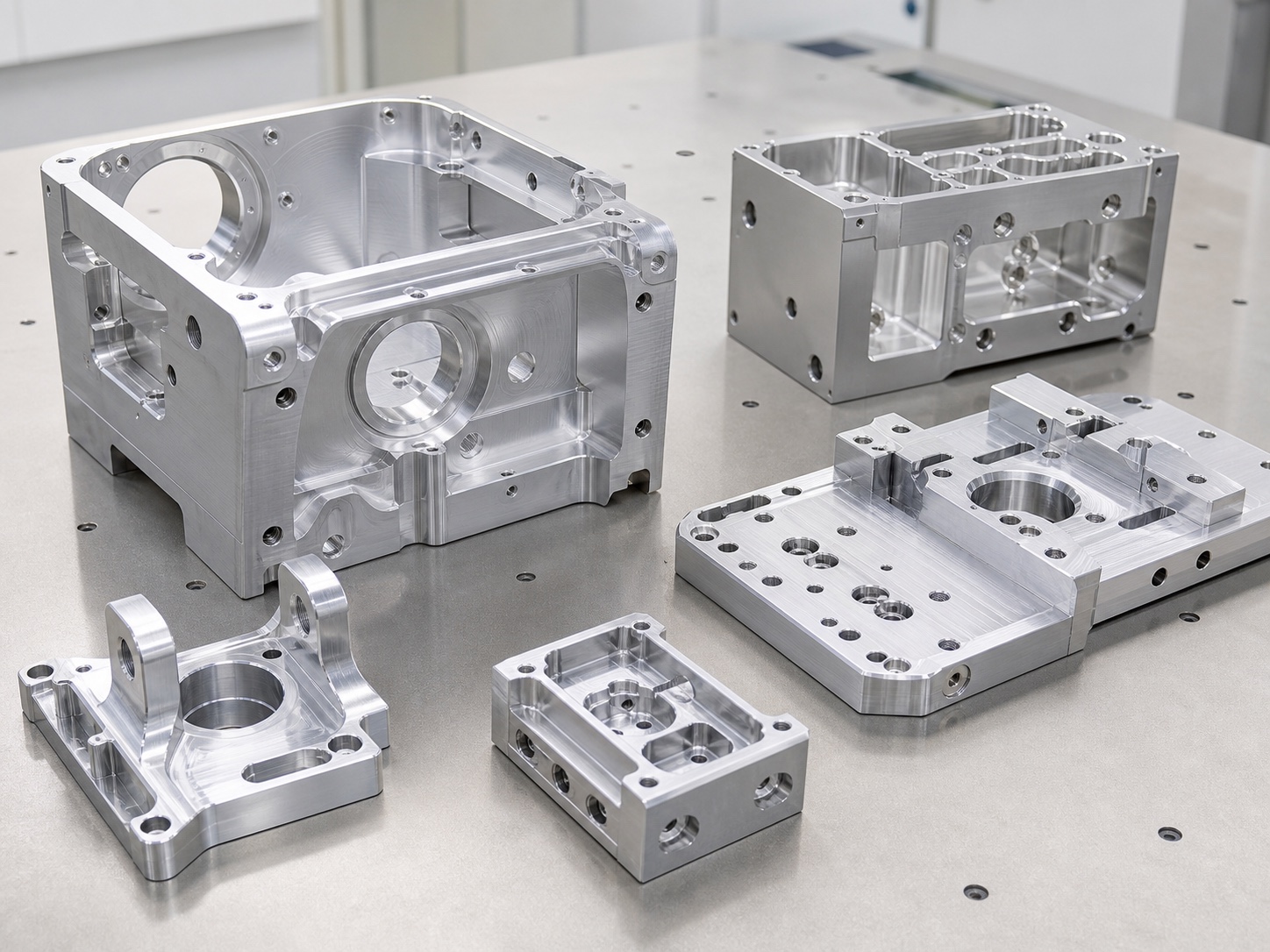
Quick Answer: Choose 6061 or 7075?
Choose 6061 aluminum when the part needs good machinability, general strength, corrosion resistance, reliable anodizing and reasonable cost. It is usually the first choice for many custom CNC aluminum parts.
Choose 7075 aluminum when the part needs higher strength, better stiffness and lower weight than steel, especially for loaded structures, robot components, fixture plates, aerospace-related parts or performance mechanical parts.
| Decision point | 6061 aluminum | 7075 aluminum |
|---|---|---|
| Best overall use | General CNC parts, housings, brackets, plates, prototypes | High-strength lightweight parts and loaded structures |
| Strength priority | Medium strength is enough for many designs | Much stronger and stiffer for demanding designs |
| Cost priority | Usually lower material and machining cost | Usually higher material cost and more careful review |
| Corrosion priority | Better natural corrosion resistance | Lower corrosion resistance, often needs finish protection |
| Anodizing priority | Very common and consistent | Possible, but color and finish review may be more important |
| Welding priority | Generally better choice | Usually not preferred for welded structures |
Main Differences Between 6061 and 7075
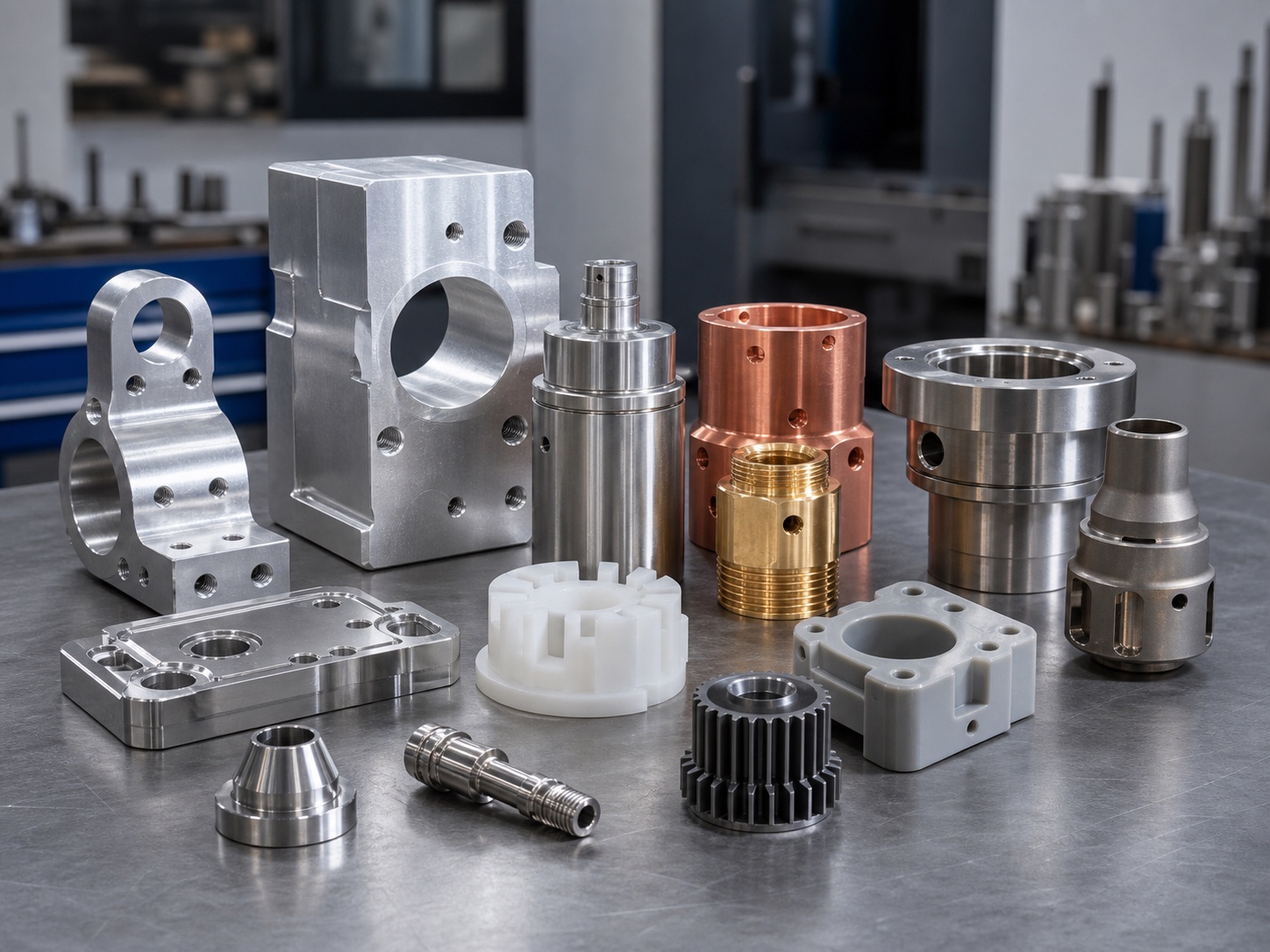
The biggest difference is the alloy system. 6061 is mainly alloyed with magnesium and silicon, while 7075 is mainly alloyed with zinc. This gives 7075 much higher strength, but also changes corrosion behavior, cost and finishing considerations.
In CNC machining, both materials can be machined well. The real question is whether the part function actually needs the extra performance of 7075. If not, 6061 often gives a better balance for cost, lead time and finish.
| Item | 6061 aluminum | 7075 aluminum | CNC machining note |
|---|---|---|---|
| Typical role | General-purpose structural aluminum | High-strength aluminum | Start with function, not only grade name |
| Strength | Moderate strength | High strength | Use 7075 when load or stiffness truly requires it |
| Machinability | Good and widely used | Also good, but material cost is higher | Both are suitable for CNC milling and turning |
| Corrosion resistance | Better | Lower than 6061 | 7075 often benefits from anodizing or coating |
| Surface finish | Good for anodizing and cosmetic parts | Can be anodized, but finish expectations should be reviewed | Define color, thickness and masking areas |
| Availability | Very common | Common but may cost more | Stock form and size can affect lead time |
| Typical cost | Lower | Higher | Do not choose 7075 only because it sounds stronger |
When 6061 Aluminum Is the Better Choice
6061 is a strong default material for CNC machined aluminum parts. It is easy to source, machines well, accepts anodizing, and is cost-effective for prototypes and production parts. For many housings and brackets, 6061 provides more than enough strength.
It is especially useful when the part has cosmetic surfaces, general mounting holes, covers, sensor brackets, electronics housings, fixture components or non-critical structural loads.
| Use 6061 for | Why it works well |
|---|---|
| Robot covers and housings | Lightweight, machinable and suitable for anodized finish |
| General brackets and plates | Good balance of strength, cost and availability |
| Prototype aluminum parts | Fast to machine and easy to source |
| Cosmetic anodized parts | More predictable finish for many projects |
| Parts exposed to normal moisture | Better corrosion resistance than 7075 in many environments |
When 7075 Aluminum Is Worth the Cost
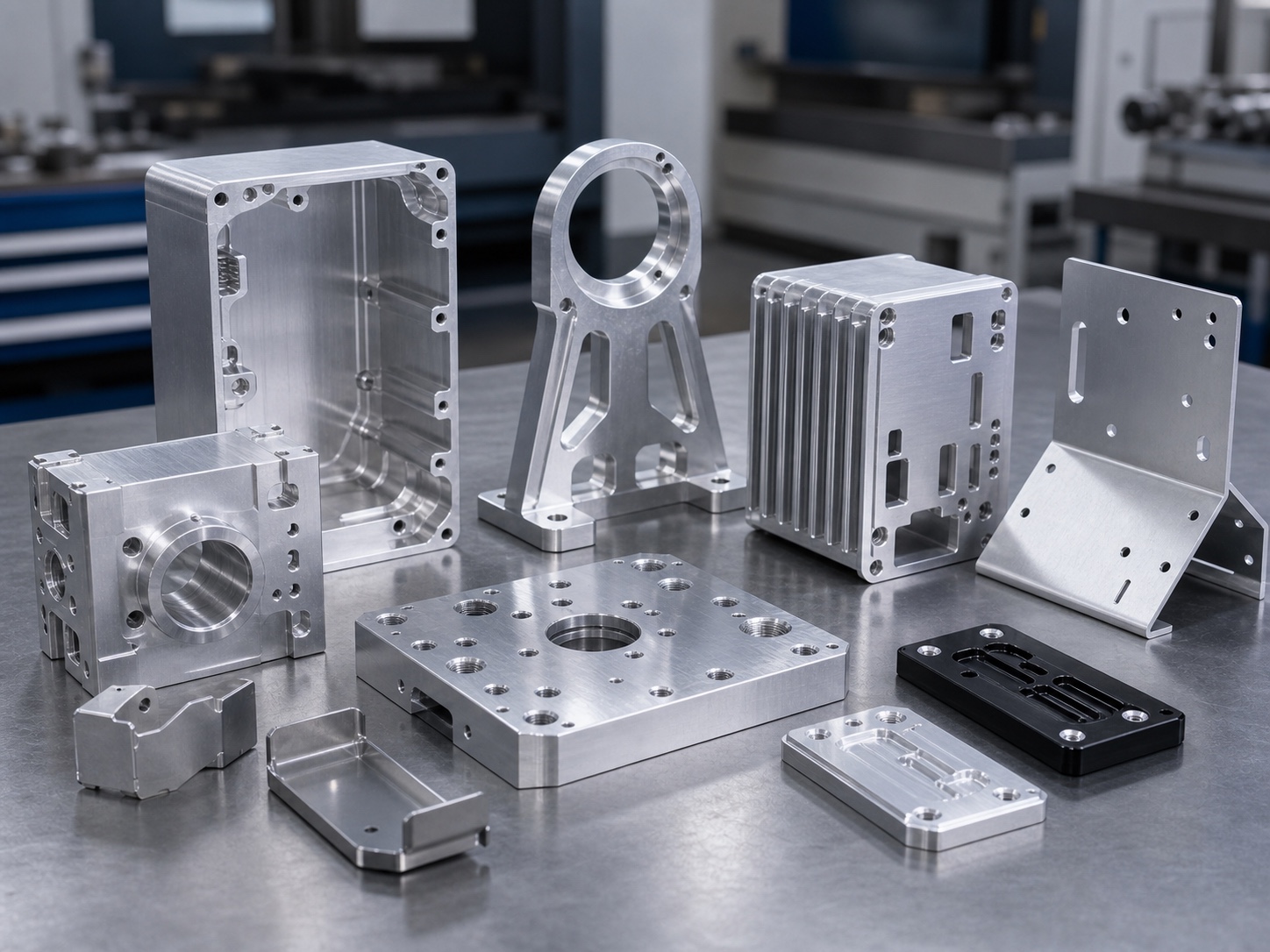
7075 is worth reviewing when a part needs high strength-to-weight ratio. It can help reduce weight while keeping stiffness and load capacity, which is valuable in robotics, automation equipment, fixtures, aerospace-related components and high-performance mechanical assemblies.
However, 7075 should be chosen for a real design reason. If the part is mainly a cover, spacer, light bracket or prototype fit-check part, 6061 may achieve the same function with lower cost and easier finishing.
| Use 7075 for | Why it may be needed | Review before quoting |
|---|---|---|
| Loaded robot structural parts | Higher strength and stiffness with low weight | Confirm load direction and critical features |
| Fixture plates and precision tooling | Better stiffness can help stability | Review flatness, stress and inspection method |
| Aerospace-related components | Strength-to-weight ratio is important | Check material certificate and finish requirements |
| High-load brackets | Can reduce size or weight compared with 6061 | Do not ignore corrosion protection |
| Performance mechanical parts | Useful where deflection must be limited | Confirm whether 6061 with design changes would also work |
Tolerance, Machining and Surface Finish Considerations
For most CNC shops, both 6061 and 7075 are familiar aluminum materials. Tight tolerances depend more on geometry, wall thickness, setup strategy, datum control and inspection method than on the grade alone.
Thin walls, deep pockets, large flat plates and multi-face features need special attention. Material stress and clamping can affect final dimensions. If the part needs tight flatness, position tolerance or CMM reporting, send a 2D drawing with clear datums and critical dimensions.
| Requirement | 6061 note | 7075 note |
|---|---|---|
| Tight tolerance | Usually practical with good design and inspection | Also practical, but high-value parts deserve careful process review |
| Thin walls | Can deform if material removal is aggressive | Higher stiffness helps, but stress and setup still matter |
| Anodizing | Common choice for cosmetic and protective finish | Possible, but color consistency and corrosion protection should be reviewed |
| Hard anodizing | Useful for wear and surface protection | Useful, especially when 7075 needs protection |
| Deburring | Edges and small holes should be defined clearly | Critical edges should be protected during finishing |
Cost and Lead Time
6061 usually gives a lower total cost because raw material is widely available and process risk is familiar. It is often the best choice for early prototypes, low-volume parts and general production components.
7075 can increase cost through raw material price, certificate needs, finish review, inspection requirements and scrap risk. It may still be the right choice when its strength prevents failure, reduces weight or allows a smaller part design.
| Cost factor | What to check |
|---|---|
| Raw material price | 7075 is typically more expensive than 6061 |
| Stock availability | Confirm plate, bar or billet size before committing the design |
| Surface finish | Anodizing, hard anodizing or coating can change cost and lead time |
| Inspection scope | Tight tolerances and CMM reports add time |
| Certificate requirement | Material certificates should be stated in the RFQ |
RFQ Checklist for 6061 vs 7075 Aluminum Parts
If you are not sure whether to choose 6061 or 7075, send enough application context with the RFQ. The supplier can then review strength, geometry, finish and tolerance risk before quoting.
| Send this information | Why it helps |
|---|---|
| STEP/STP file | Allows geometry, machining access and material removal review |
| 2D drawing | Shows tolerances, datums, threads, finish and inspection notes |
| Load or function description | Helps decide whether 7075 is really needed |
| Surface finish requirement | Anodizing color, thickness and masking can affect material choice |
| Quantity and lead time | Affects stock planning, fixture strategy and inspection scope |
| Certificate requirement | Important for aerospace, medical, robotics and high-reliability parts |
How OEMach Helps Choose Aluminum Grades
OEMach reviews aluminum material selection together with part geometry, tolerance, finish, quantity and working environment. If 6061 is enough for the function, we can help avoid unnecessary material cost. If 7075 is needed, we keep its strength, corrosion protection and inspection requirements visible in the machining plan.
For custom aluminum CNC parts, the fastest review includes STEP files, 2D drawings, material grade, finish notes, quantity, critical dimensions and application context.
FAQ
Is 7075 aluminum always better than 6061?
No. 7075 is stronger, but 6061 is often better for cost, corrosion resistance, anodizing and general CNC parts.
Which aluminum is better for anodizing?
6061 is usually the more predictable choice for cosmetic anodizing. 7075 can be anodized, but finish and corrosion requirements should be reviewed.
Which aluminum should I use for robot parts?
Use 6061 for many covers, brackets and housings. Review 7075 when the robot part carries high load, needs stiffness or must reduce weight.
Does 7075 cost more to machine?
The machining process is familiar, but total cost is often higher because of raw material price, inspection, certificates and finish requirements.
Can OEMach help review 6061 vs 7075 before quoting?
Yes. Send the drawing, STEP file, finish requirement, quantity and application context, and we can review which aluminum grade is more practical.
Summary
6061 aluminum is the practical default for many CNC machined parts because it balances cost, machinability, corrosion resistance and finish. 7075 aluminum is the right choice when high strength-to-weight ratio, stiffness and load capacity justify the higher cost and finish review. The best choice depends on function, not only on material strength.