
CNC Machined Aluminum Control Housing for Medical Equipment
This product page introduces a custom CNC machined aluminum control housing used in medical equipment, diagnostic device modules and compact instrument assemblies. The part combines a rigid enclosure body, internal milled cavities, threaded mounting points, gasket grooves and cable or connector openings. For medical equipment projects, this type of housing must protect internal electronics while keeping assembly alignment, sealing and service access predictable.
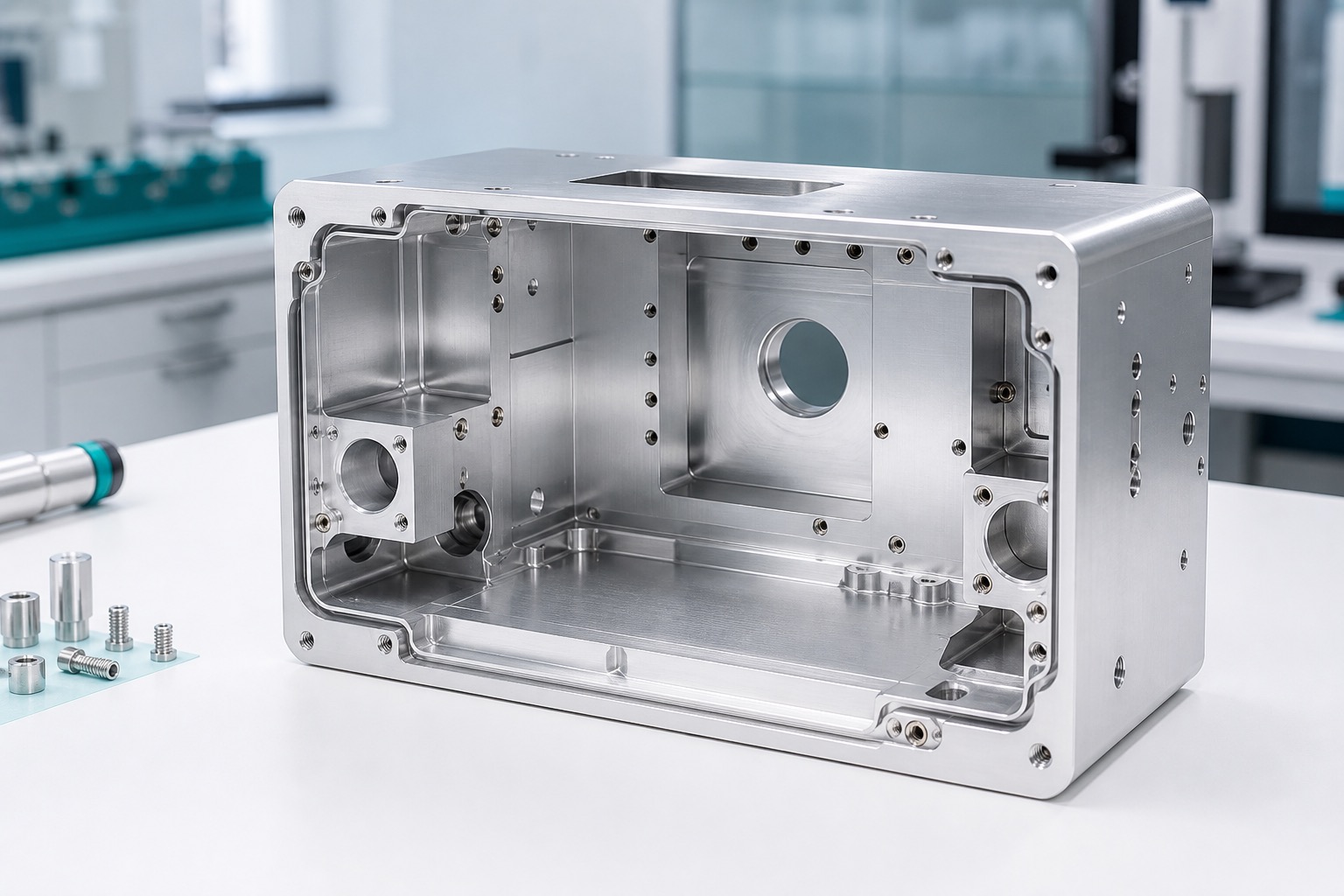
Product Overview
The housing is produced from aluminum billet by CNC milling, drilling, tapping and controlled deburring. Typical materials include 6061-T6, 6082-T6 and 7075 aluminum, with stainless steel inserts or threaded bushings available when stronger fastening interfaces are required. The product is suitable for medical control modules, imaging equipment subassemblies, diagnostic analyzers, laboratory instruments and portable equipment enclosures.
Key Features
- Precision milled internal cavities for electronics, sensors or mechanical interfaces.
- Continuous gasket groove for sealing design and repeatable cover assembly.
- Threaded holes, counterbores and dowel features for accurate mounting.
- Chamfered edges and controlled burr removal for safer handling.
- Anodizing, passivation support for inserts, bead blasting or conversion coating options.
- Clean packaging with part separation, surface protection and revision labeling.
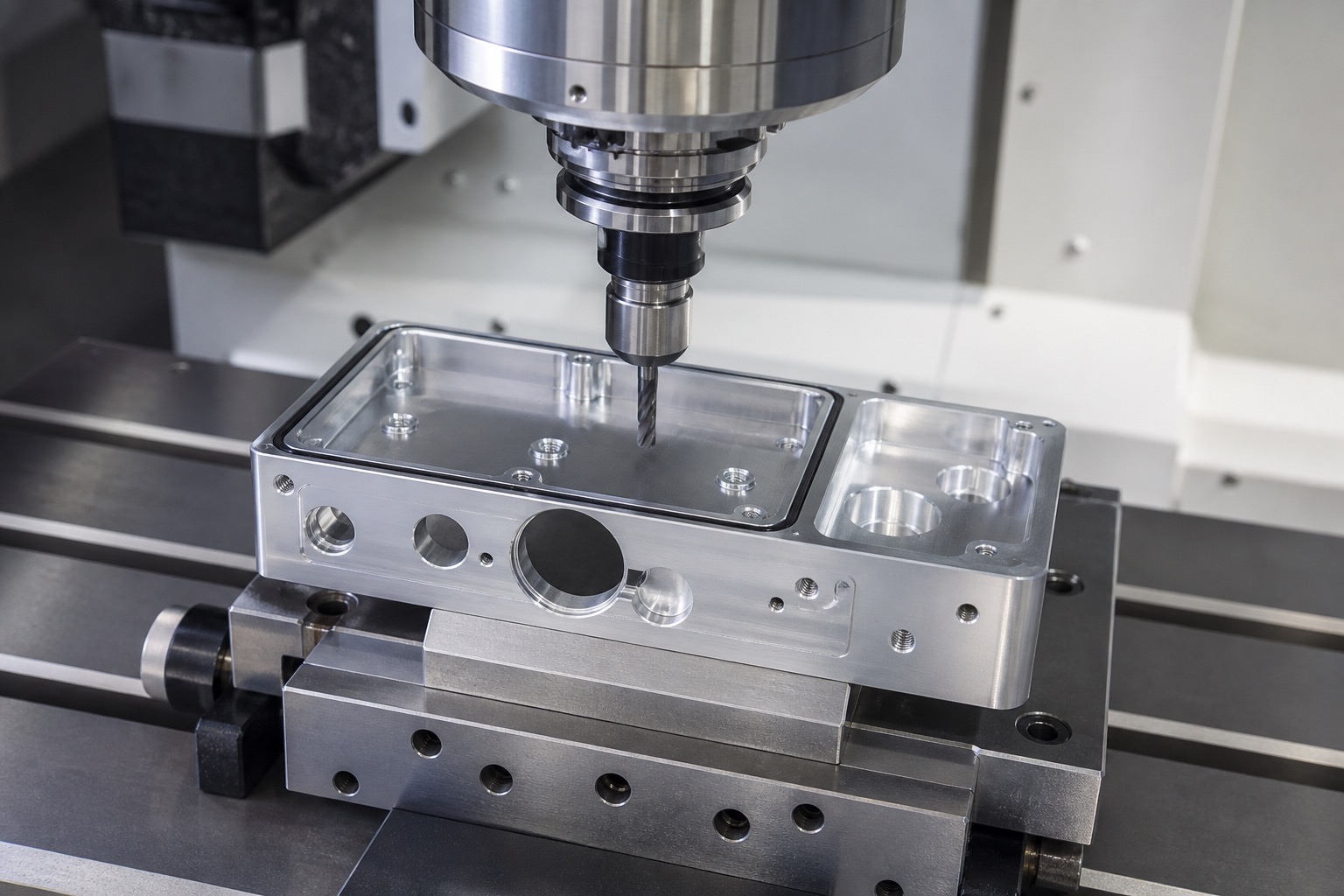
Machining and Process Control
The process starts with datum planning and fixture design. Roughing removes material from the main pocket while leaving enough stock for finishing cuts. Critical surfaces such as gasket grooves, connector openings and cover mounting faces are finished after the part has stabilized. Threaded holes are tapped or thread-milled according to drawing requirements. When the housing has thin walls, machining sequence and clamping pressure are controlled to reduce deformation.
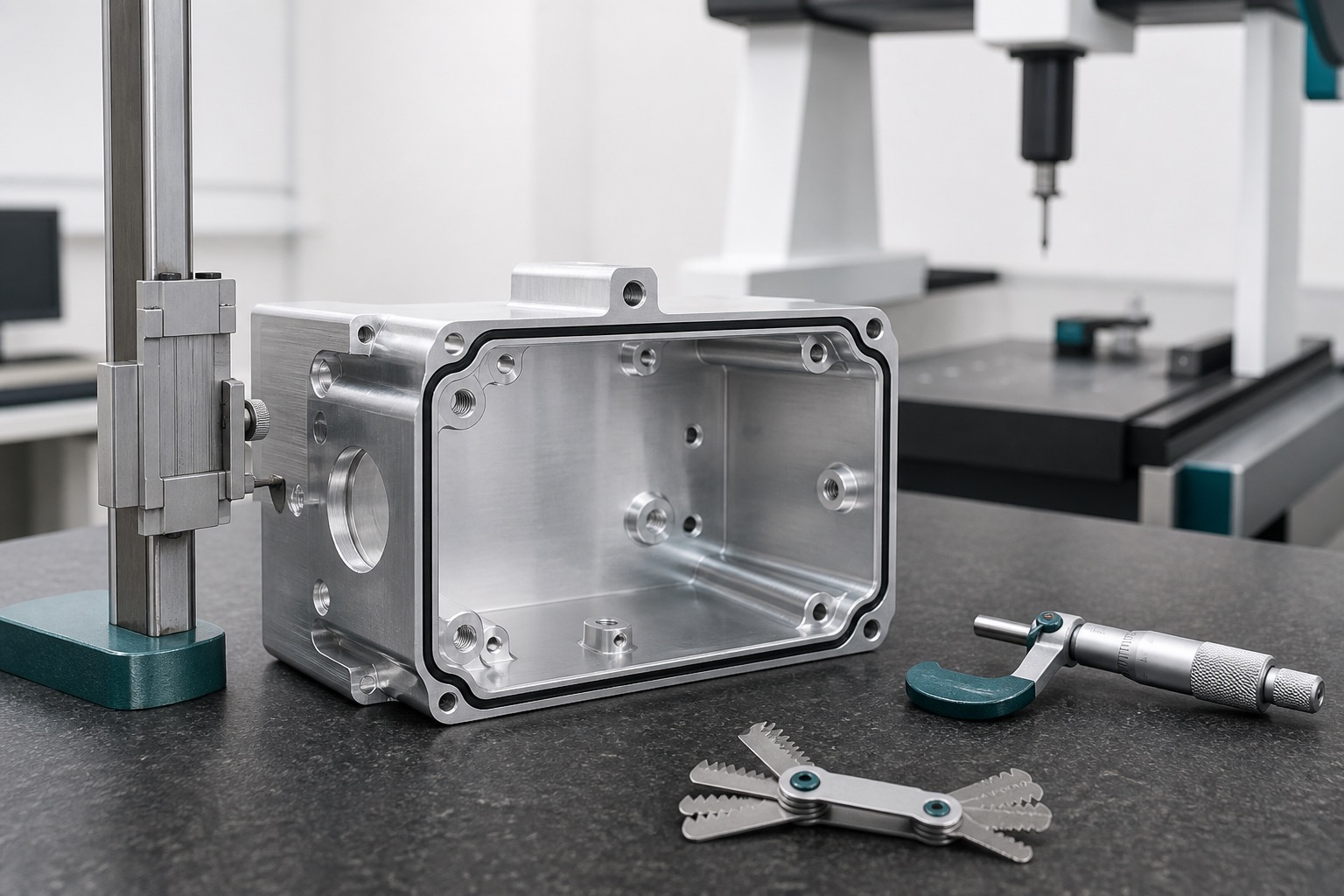
Quality and Inspection
Inspection focuses on the features that influence assembly and sealing: flatness of cover surfaces, position of mounting holes, depth and width of gasket grooves, thread quality, connector opening location and cosmetic surface condition. CMM inspection, height gauge checks, thread gauges, surface roughness inspection and first article reports can be arranged according to the project risk level.
Applications
This product type is used in non-implantable medical equipment and instrument systems, including diagnostic analyzers, imaging modules, fluid control equipment, patient monitoring accessories, laboratory automation units and test fixtures. OEMach manufactures according to customer drawings and does not claim the component is certified as a finished medical device. Validation responsibility remains with the equipment manufacturer.
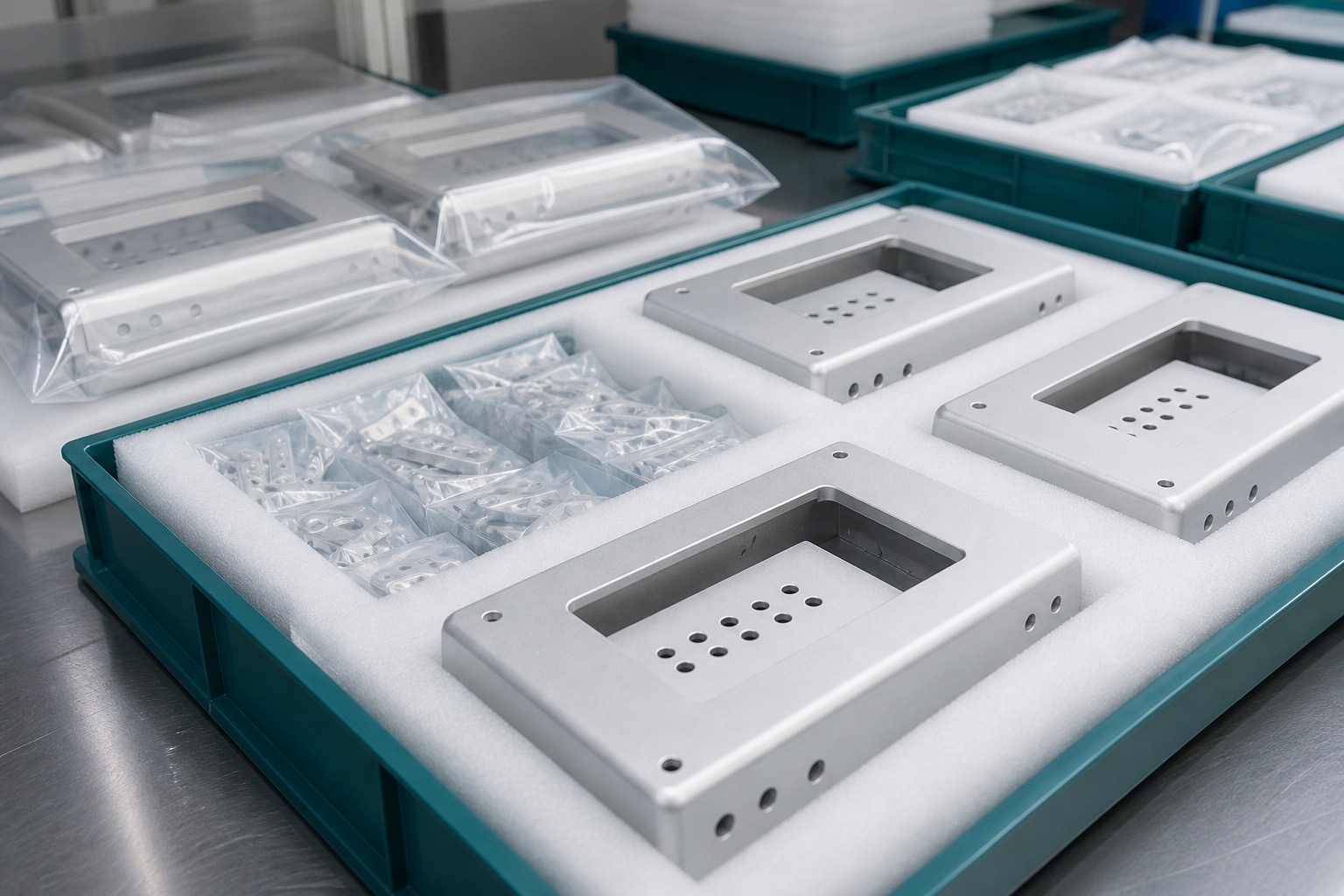
Packaging and Delivery
Finished housings can be packed in protective foam trays, individual bags or export cartons. Small inserts, screws and related machined parts can be separated by part number to support incoming inspection and assembly. Clean handling, surface protection and clear labeling help engineering teams reduce receiving delays.
FAQ
Is this a standard catalog housing?
No. It is a representative custom CNC machined product page. Dimensions, material, finish and inspection level are manufactured according to customer drawings.
Which aluminum grades can be used?
Common options include 6061, 6082 and 7075 aluminum, selected according to strength, weight, surface finish and machining stability requirements.
Can gasket grooves and threaded holes be controlled?
Yes. Gasket grooves, tapped holes, cable openings, counterbores and mounting datums can be machined and inspected according to 2D drawings.
What finishes are available?
Clear or black anodizing, bead blasting, chemical conversion coating and custom surface treatments can be supported when drawings specify the requirement.
What inspection documents can be provided?
First article inspection, CMM report, thread gauge results, material certificate and finish certificate can be provided when requested.
What should be included in an RFQ?
Please send CAD files, 2D drawings, material, surface finish, quantity, critical tolerances, inspection requirements and packaging instructions.
Email: tanghangyun@oemach.com