
Technical Articles

Improving 5-axis stability for robot precision parts

How fixture strategy, toolpath planning and material behavior affect repeatable 5-axis machining for robotics components.

Improving 5-axis stability for robot precision parts

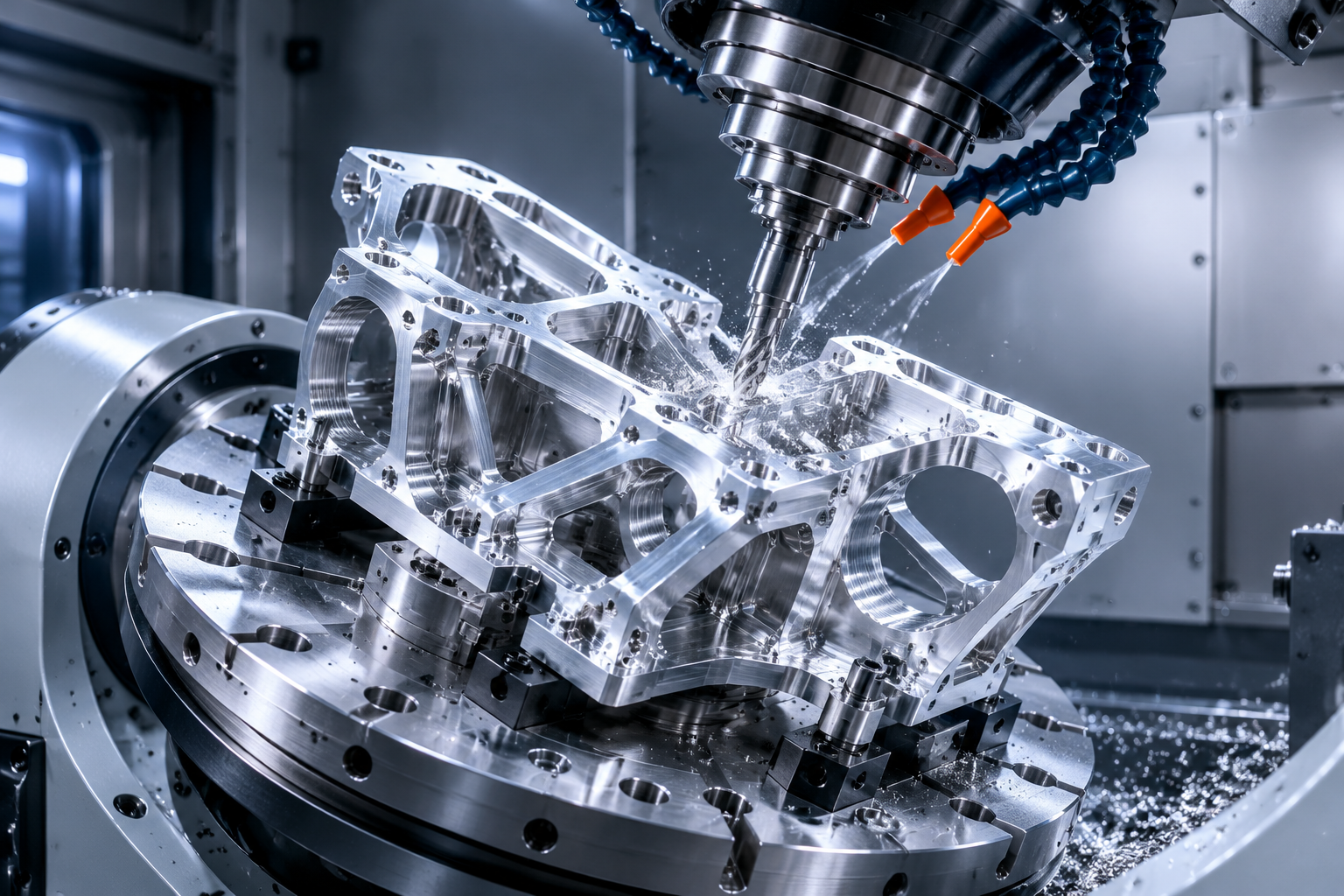
Robot precision parts often combine light-weight structures, multiple faces and tight location features. The referenced domestic article explains why stability is usually a process question, not only a machine question.

A practical RFQ should include the part function, datum surfaces, material condition, expected batch size and any features that must remain stable after anodizing or assembly.

Before quoting, engineering teams can review fixture access, tool overhang, tool-axis changes and inspection points so the machining route is realistic for small-batch production.

Start your project

Tell us what you need manufactured.

Share your part requirements. Our engineering team will review them and contact you with the next steps.

For a useful review, include:

  • Material and quantity
  • Critical tolerances
  • Surface finish and target delivery
Drawings & supporting files (optional) 0 of 10 files

For faster review, include a PDF drawing and STEP/STP model. For assemblies, package all referenced parts and the BOM in one archive.

By submitting, you agree that OEMach may use this information and any uploaded files to respond to your inquiry. See our Privacy Policy.