Tungsten alloys are among the most difficult engineering materials to cut — their cutting speed is only 1/50 to 1/100 of aluminum alloy, and tool wear rate is dozens of times higher. Machining a small part may require several tool changes.
Many factories are unwilling to take on tungsten alloy parts, not just because it's troublesome, but because without targeted process knowledge, it's truly impossible to do well — incorrect cutting parameters can ruin a tool in minutes, and part precision cannot be guaranteed.
Understanding the mechanism behind tungsten alloy's cutting difficulty is essential for designing a reasonable process solution.
▌ First, Understand: What is Tungsten Alloy?
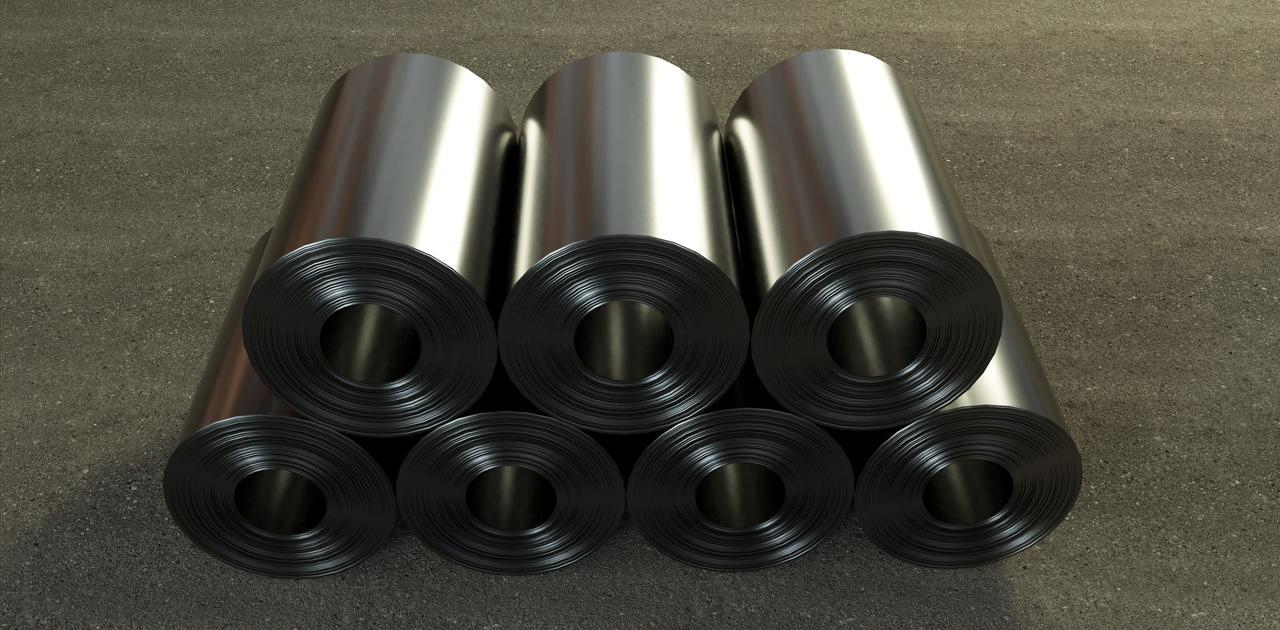
In engineering, "tungsten alloy" refers to two main types:
Heavy Tungsten Alloy (High-density Tungsten Alloy):
Based on tungsten (W content 90–97%), with small amounts of nickel, iron, or copper as binder phase.
-
W-Ni-Fe (most common): Density 17.0–18.5 g/cm³, hardness HRC 28–35, with some toughness.
-
W-Ni-Cu (non-magnetic): Density 17.0–18.0 g/cm³, used for non-magnetic applications.
-
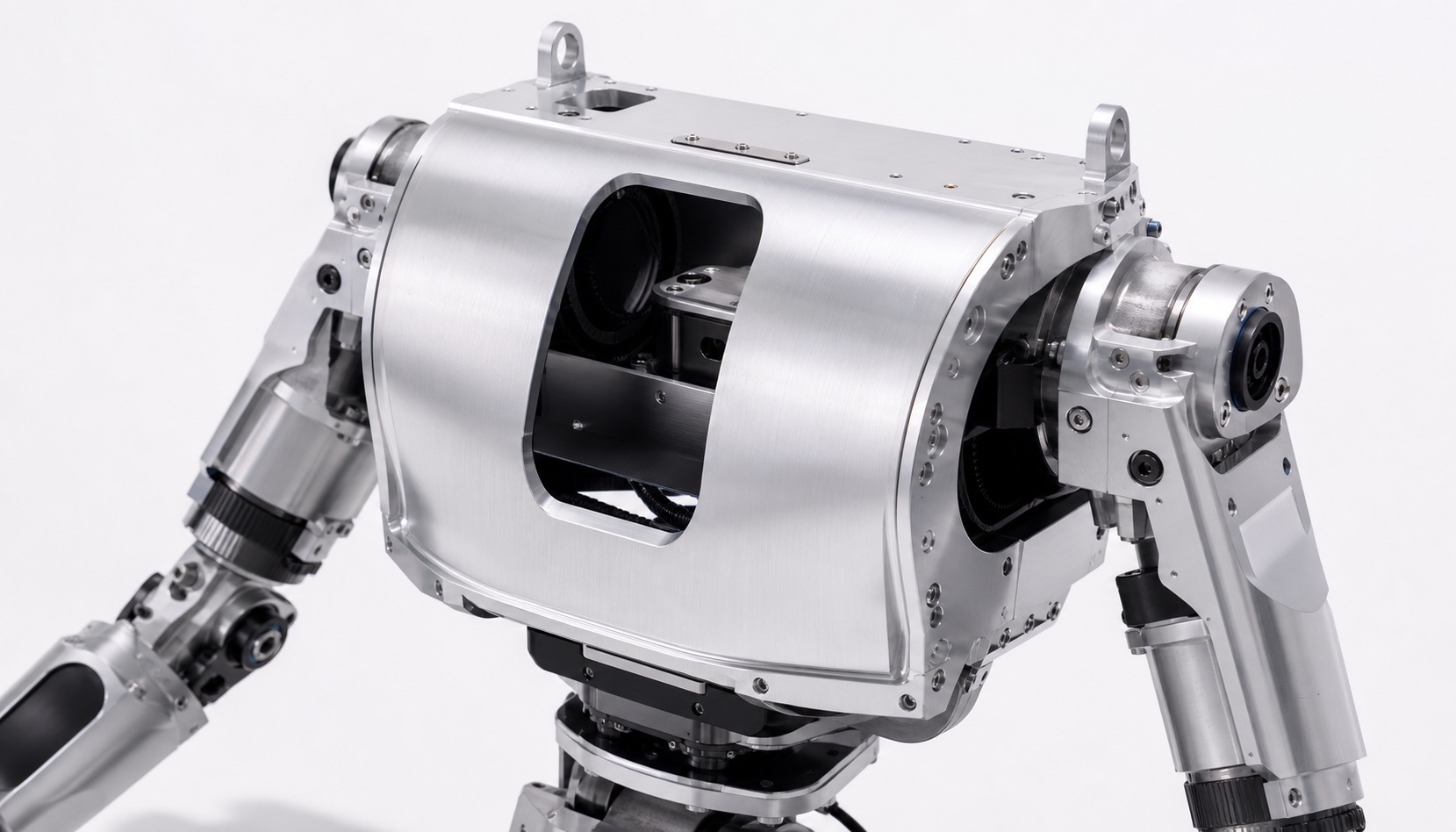
Typical uses: Counterweights (gyroscope weights, robot counterweights, automotive balance weights), radiation shielding (medical X-ray protection), EDM electrodes.
Pure Tungsten and Cemented Carbide (WC-Co):
-
Pure Tungsten: High brittleness, extremely difficult precision machining, mostly used for special functional parts (filaments, high-temperature components).
-
Cemented Carbide (WC-Co): Hardness HRA 86–93. This is the material used for cutting tools. Using it as a workpiece material is extremely difficult, typically requiring EDM or grinding, not CNC.
▌ Challenge 1: Extremely High Hardness + Severe Abrasive Wear
Heavy tungsten alloy (W-Ni-Fe) has a hardness of about HRC 28–35, similar to medium-carbon steel. However, actual tool wear is much higher than for steel at HRC 30. The reason is the abrasive wear caused by tungsten carbide particles (even heavy tungsten alloys contain a small WC phase) scraping against the tool.
Characteristics of Abrasive Wear:
Hard particles (WC phase) in the workpiece act like sandpaper, constantly scraping the tool's cutting edge. This wear is not strongly related to cutting force magnitude but depends on the quantity and hardness of the hard phase in the workpiece.
Impact on Tool Selection:
-
Standard Carbide (WC-Co coated tools): WC particles have an affinity reaction with the WC-based tool, causing extremely rapid wear.
-
PCD (Polycrystalline Diamond) Tools: Hardness HV 8000–10000, far exceeding WC (HV 2000). Abrasive wear is significantly reduced. PCD is the preferred tool material for machining heavy tungsten alloys.
-
CBN (Cubic Boron Nitride) Tools: Hardness HV 4500–5000, less effective than PCD but lower cost, suitable for semi-finishing.
Effect of Cutting Parameters on Wear:
Higher cutting speed accelerates abrasive wear rate. Tungsten alloy machining must use low speeds — typically only 10–30 m/min (1/30 to 1/100 of aluminum alloy).
▌ Challenge 2: Low Thermal Conductivity + Cutting Heat Concentrated at the Tool Tip
Heavy tungsten alloy has a thermal conductivity of about 100 W/(m·K), which doesn't seem low (higher than stainless steel). However, combined with the low cutting speed, the generated heat is still heavily concentrated at the tool tip.
Because the cutting speed is extremely low, heat cannot be dissipated quickly through the workpiece, and most of it enters the tool. While PCD tools have good stability at high temperatures (>700°C), excessively high tool tip temperature still accelerates wear.
Cooling Solution:
-
Abundant emulsion cooling is necessary. High-pressure through-spindle coolant (delivered directly to the cutting zone through the tool) is more effective.
-
Dry cutting is unsuitable for tungsten alloy; heat accumulates too quickly, resulting in extremely short tool life.
▌ Challenge 3: Brittle Fracture Risk
Heavy tungsten alloy (especially high W content >95%) has an elongation at break of only 1–5% and fracture toughness KIC of about 10–20 MPa·m^0.5, classifying it as a brittle material (aluminum alloy has KIC of about 20–30 MPa·m^0.5).
Brittleness creates two machining risks:
Workpiece Edge Chipping:
Incorrect cutting force direction or overly aggressive parameters can cause micro-chipping on workpiece edges, degrading surface quality and making precision features unachievable.
Solutions:
-
Prioritize chamfering: Create small chamfers on sharp edges before final machining to prevent chipping.
-
Small depth of cut: Finish with 0.05–0.1mm per side allowance, completed in multiple passes.
-
Tool entry direction: Enter from inside the material outward to reduce exit chipping.
Brittleness in Deep Holes and Threads:
Drilling generates high torque, risking drill breakage. Tapping poses a very high risk of tap breakage.
Recommendations:
-
For holes ≥ 2mm diameter, drill first then precision bore; do not ream directly.
-
Threads below M4 are extremely difficult to tap. Use thread milling or a spiral milling cutter instead.
-
For internal threads below M3, consider using Heli-Coil wire thread inserts in a more machinable base material.
▌ Practical Machining Parameter Reference
Example: Finishing heavy tungsten alloy W-Ni-Fe (W ≈ 93%, density 17.5 g/cm³):
|
Parameter
|
Value
|
|---|---|
|
Tool
|
PCD end mill, rake angle 0°–5°, sharp, defect-free cutting edge
|
|
Cutting Speed (Vc)
|
15–25 m/min (finishing), 10–15 m/min (roughing)
|
|
Feed Rate (fz)
|
0.02–0.05 mm/tooth (finishing), 0.05–0.1 mm/tooth (roughing)
|
|
Depth of Cut (ap)
|
0.05–0.1 mm (finishing), 0.2–0.5 mm (roughing)
|
|
Coolant
|
High-pressure emulsion coolant or through-spindle coolant
|
|
PCD Tool Life
|
Approximately 1/30 to 1/50 of the area machinable on aluminum
|
Comparative Reference:
-
Aluminum 6061: Cutting speed 500–1000 m/min
-
Stainless Steel 316L: Cutting speed 30–80 m/min
-
Tungsten Alloy W-Ni-Fe: Cutting speed 10–25 m/min (1/3 to 1/4 of stainless steel)
▌ Practical Applications of Tungsten Alloy Parts
Counterweights:
Tungsten alloy density (17–19 g/cm³) is 1.7 times that of lead. In space-constrained applications (gyroscope flywheels, robot wrist counterweights, precision balance weights), tungsten alloy achieves high mass in a very small volume and is a non-toxic alternative to lead.
Radiation Shielding:
X-ray and gamma-ray shielding effectiveness correlates with density and atomic number. Tungsten alloy's shielding ability is 1.3–1.5 times that of lead, allowing for smaller volumes for equivalent protection. Common in medical X-ray collimators and nuclear industry shielding components.
EDM Electrodes:
Pure copper EDM electrodes wear quickly when machining super-hard materials (carbide, ceramics). W-Cu (tungsten-copper alloy) electrodes have a wear rate only 1/5 to 1/10 that of copper, making them suitable for precision mold cavity EDM machining.
OEMach undertakes small-batch machining of heavy tungsten alloy (W-Ni-Fe, W-Ni-Cu) precision parts. We use specialized PCD/CBN tooling and low-speed, high-feed cutting parameters. Suitable for counterweights, radiation shielding, EDM electrodes, and other tungsten alloy precision components. We accept orders starting from 1 piece, achieve ±0.01mm accuracy, and are ISO9001:2015 certified.