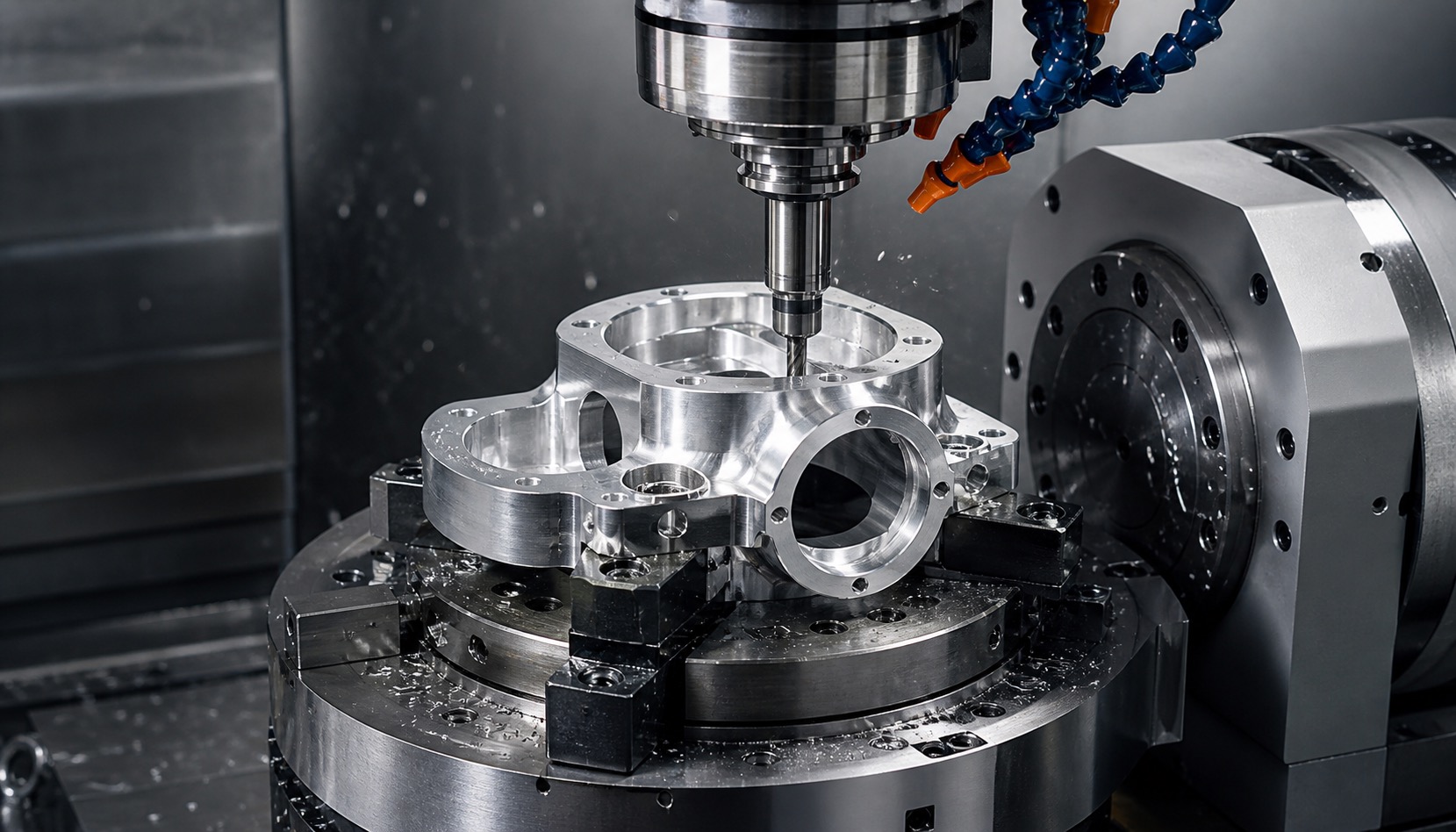
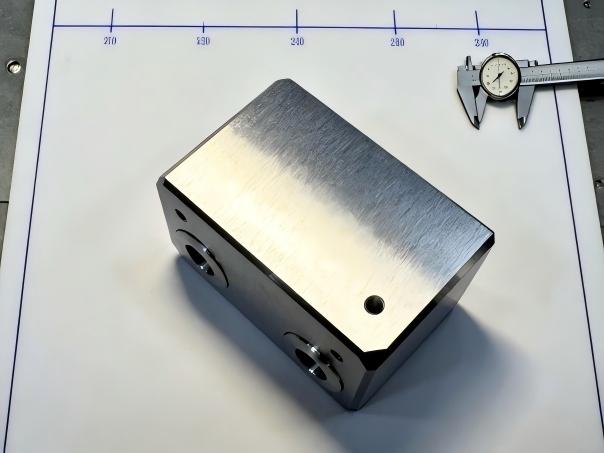
In non-standard parts design, material selection frequently gets treated as a deferred question — get the geometry right first, sort out the material later. This approach is harmless sometimes. Other times, it means discovering at the quoting stage that the specified material carries machining costs five times higher than the aluminum alternative, or that finding a factory willing to take on that material requires more sourcing effort than anticipated.
Material choice affects more than functional performance. It directly shapes machining cost, lead time, and the range of suppliers able to take the job. Understanding the basic characteristics and machining implications of common materials makes it possible to make more defensible decisions in the design stage — before the quote arrives with a number that triggers a rethink.
Aluminum Alloy: The Most Machinability-Friendly Metal, and the Most Widely Used
Aluminum alloy is the most frequently specified material in non-standard parts machining, for straightforward reasons: it machines easily, weighs little, and costs less per unit of performance than most alternatives.
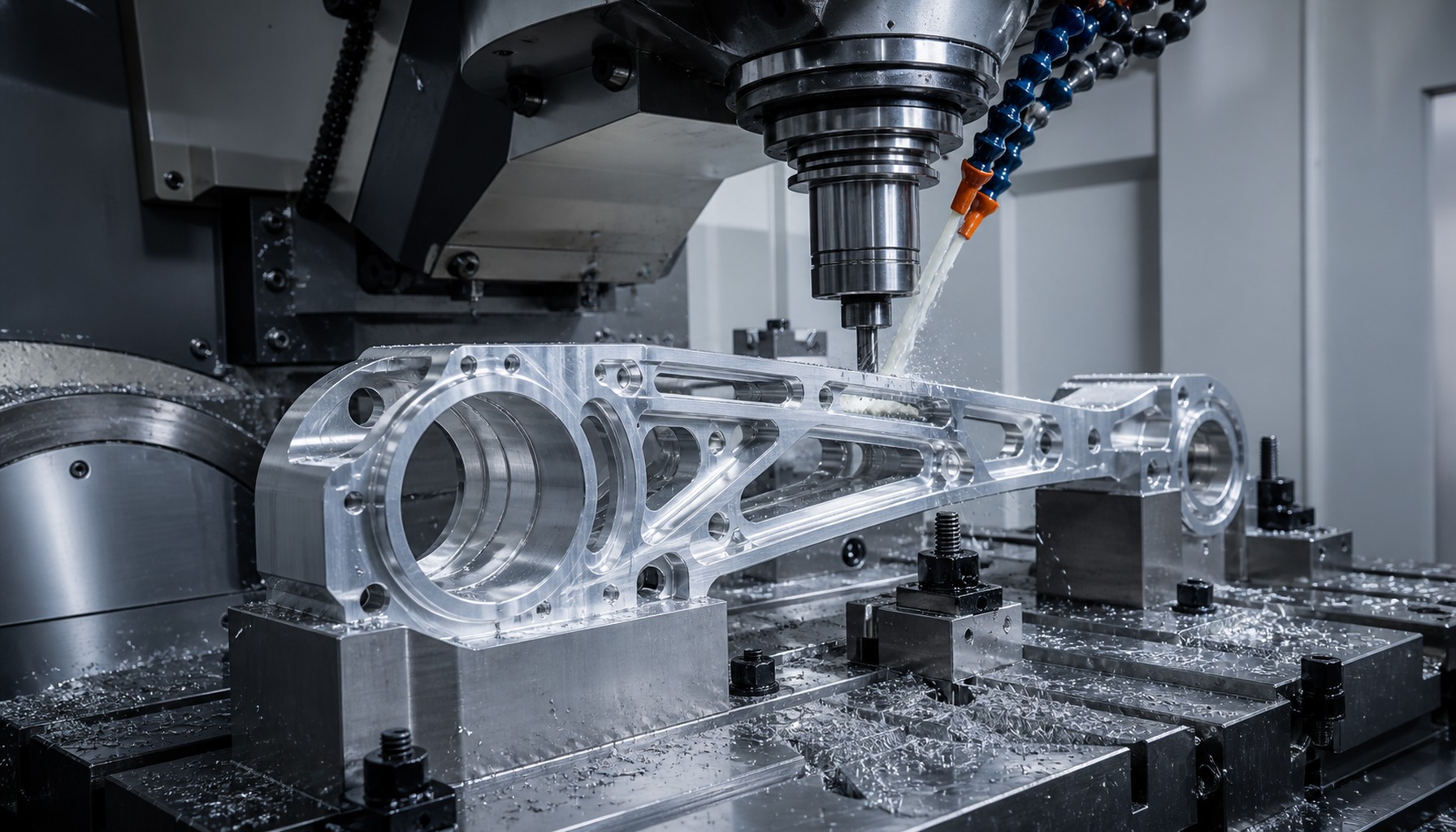
From a machining standpoint, aluminum's cutting characteristics are excellent. Low hardness means slow tool wear; achievable cutting speeds are five to ten times higher than steel, meaning a given geometry takes substantially less machine time to produce — which translates directly into lower cost. Surface finishing is relatively accessible: anodizing produces durable, corrosion-resistant coatings with a wide color range.
Among common grades, 6061-T6 is the baseline. Balanced mechanical properties, yield strength approximately 276 MPa, density 2.7 g/cm³, good weldability, widely available: appropriate for structural components, housings, brackets, and most general mechanical applications. 7075-T6 offers higher strength (yield strength approximately 503 MPa) at higher cost and slightly reduced machinability — it appears in aerospace structural parts and high-performance equipment where the strength-to-weight ratio justifies the premium. 2024 aluminum has favorable fatigue properties and sees consistent use in aerospace applications.
The main limitations of aluminum alloy are lower hardness and wear resistance, making it unsuitable for high-friction or high-wear applications. Strength degrades meaningfully above approximately 150°C. The thermal expansion coefficient is substantially higher than steel (approximately 23 μm/m·°C versus steel's 11.7 μm/m·°C) — for precision mating components, temperature-induced dimensional change can affect fit, and this needs to be accounted for in design.
Stainless Steel: Corrosion Resistance Comes With Machining Difficulty
Stainless steel is typically selected for corrosion resistance and the combination of reasonable strength with environmental durability. In food and pharmaceutical, chemical processing, and marine environments where aluminum's corrosion resistance is insufficient, stainless steel becomes the standard choice.
304 stainless steel (GB standard: 0Cr18Ni9) is the most common grade — austenitic type, good corrosion resistance, good weldability, non-magnetic, but not hardenable by heat treatment. 316L adds molybdenum, producing significantly better chloride-ion corrosion resistance compared to 304, commonly used in medical devices, seawater equipment, and chemical fittings. The premium for 316L over 304 is approximately 20–30% on raw material; it also machines somewhat harder than 304.
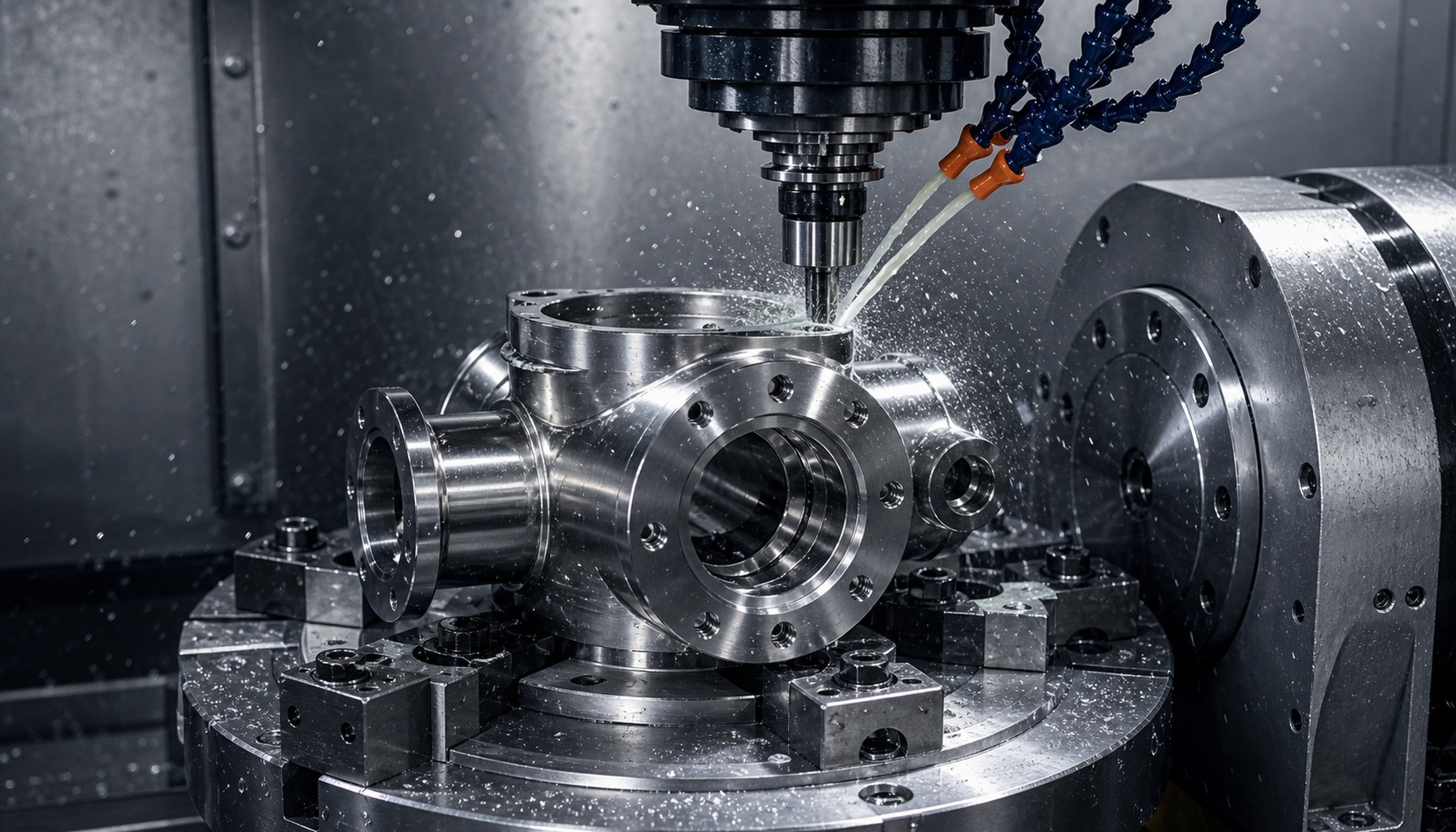
Machinability is the aspect of stainless steel most requiring honest assessment. High cutting forces, low thermal conductivity (cutting heat doesn't dissipate easily), and strong work hardening tendency (the surface hardens during cutting, making subsequent cuts more difficult) — these factors combine to reduce achievable cutting speeds to roughly 30–50% of aluminum, with faster tool wear and machining costs typically 1.5 to 2 times those of comparable aluminum parts.
For precision stainless steel parts, a common process arrangement is rough machining followed by stress relief (stress relief annealing), then finish machining — preventing residual stress release from causing dimensional drift after final machining. This adds a process step and lead time, but provides meaningful precision stability.
Titanium Alloy: Outstanding Properties, Genuinely Difficult to Machine
The classic description of titanium alloy is "strength approaching steel, weight approaching aluminum." TA2 commercially pure titanium has density approximately 4.5 g/cm³ (about 58% of steel); TC4 (Ti-6Al-4V) has one of the highest specific strength values (strength-to-density ratio) among common structural metals. Titanium also exhibits excellent corrosion resistance across a wide range of aggressive chemical environments, and the biocompatibility that makes it the material of choice for medical implants and surgical instruments.
The cost of these properties is that titanium alloy carries the highest machining difficulty among commonly specified metals.
Thermal conductivity is very low (approximately 6 W/m·K, roughly 1/16th that of aluminum) — cutting heat concentrates almost entirely at the tool-workpiece interface, driving rapid tool wear. Titanium's chemical reactivity at elevated temperatures also promotes diffusion bonding between the workpiece and tool material (the "adhesion wear" phenomenon), accelerating tool degradation further. Appropriate cutting speeds are approximately 10–20% of those used for aluminum alloy, meaning the same part in titanium takes 5 to 10 times the machine hours as in aluminum. Tool consumption is also dramatically higher — a carbide end mill that handles hundreds of kilometers of cutting path in aluminum may require replacement after a fraction of that in titanium.
These factors combine to put titanium alloy machining costs at typically 5 to 8 times those of equivalent aluminum parts, sometimes higher. Raw material cost (TA2 over 40 USD/kg; TC4 higher) is also substantially above aluminum.
Titanium alloy in non-standard parts consequently appears primarily where it is genuinely necessary: aerospace structural components requiring the strength-to-weight ratio; medical devices and implants where biocompatibility is required; specialty equipment in high-corrosion environments. If the functional requirements can be met by aluminum alloy or stainless steel, there is generally no technical justification for specifying titanium — and the cost difference is substantial.
Brief Notes on Other Common Materials
Copper alloys (brass, phosphor bronze, beryllium copper) are standard in applications requiring electrical conductivity, thermal conductivity, or specific tribological properties. Brass machines exceptionally well — cutting speeds comparable to or exceeding aluminum — and is standard for electrical connectors and precision fit components. Beryllium copper provides high strength and excellent elastic properties for spring elements. Main limitations: high density (approximately 8.9 g/cm³) and cost sensitivity to copper price fluctuations.
Engineering plastics (PEEK, PA66, polycarbonate, PTFE) appear in applications requiring electrical insulation, self-lubrication, or weight reduction. PEEK is the highest-performance engineering plastic by most measures — continuous service temperature to 250°C, good chemical resistance, relatively high strength — with established applications in medical devices and semiconductor equipment. Raw material cost is high (over 200 USD/kg), and machining requires specific process knowledge not universally available.
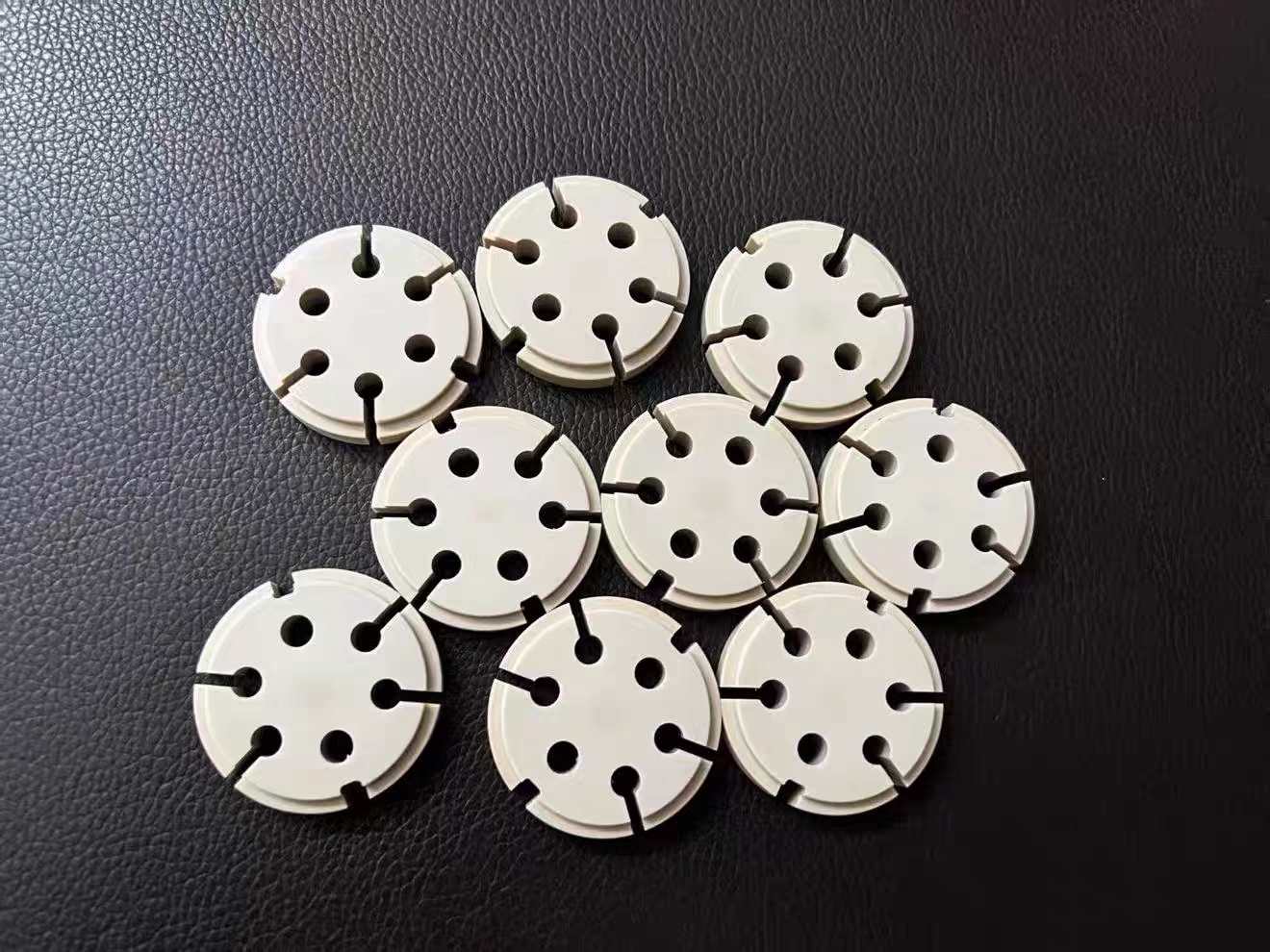
Ceramics (alumina, silicon carbide, silicon nitride) appear in extreme high-temperature, high-hardness, or specialized dielectric applications. Machining requires specialized processes and equipment that most general-purpose machine shops do not offer.
The Logic Behind Material Selection
No material is universally optimal. The selection logic is: map the part's actual service conditions — mechanical loading, temperature range, chemical environment, weight requirements — against material performance characteristics, and identify the lowest-cost option that satisfies the functional requirements. Not "select the best material," but "select the appropriate material."
If aluminum alloy meets the functional requirements, there is no reason to specify stainless steel. If stainless steel is sufficient, there is no reason to specify titanium alloy. Safety margins are appropriate in engineering; excessive ones push machining cost upward without corresponding functional benefit.
Domestic mid-sized precision shops with multi-material coverage — able to handle aluminum alloys, stainless steel, titanium alloys, copper alloys, and engineering plastics — offer broader process routing options than single-material specialists. Operations including Suzhou-based OEMACH (莱图加), precision shops in the Shenzhen area, and certain divisions of Dongguan Jingsheng Precision (A-share: 300083) have relevant multi-material coverage. Whether any specific factory is suited for a given material-process combination still requires confirming against the specific drawing requirements.