New Energy

Service Overview

OEMach specializes in the machining of new energy components, supporting the advancement of green energy. We are equipped with state-of-the-art production equipment and a professional technical team, providing customers with high-precision, high-performance component machining services. Whether for electric vehicle battery modules, solar equipment brackets, or critical wind power components, we can ensure both quality and efficiency. Driven by innovation, OEMach rigorously controls every stage of the production process to provide reliable support for the new energy industry and promote sustainable development.

Material Process

Material selection is carried out based on the design requirements of new energy equipment, with careful consideration given to properties such as electrical conductivity, corrosion resistance, and strength. Subsequently, appropriate processing methods are chosen according to the characteristics of each component. For example, metal structural parts may first undergo forging or casting to produce the blank, followed by machining and surface treatment to meet the final specifications; for electronic components, micro- and nano-fabrication techniques such as photolithography and etching may be more suitable. During the manufacturing process, advanced inspection equipment is employed to conduct multidimensional testing of the components, ensuring that they comply with quality standards.
New Energy Parts Machining Services | EV/Solar/Wind/Hydrogen Components | OEMach

Processing Materials

Processing materials include: silicon, carbon fiber composite materials, aluminum alloys, platinum group metals, etc

Platinum Group Metals

In hydrogen fuel cells, platinum and other platinum group metals serve as catalysts. Although only small amounts are required, their role is critical. By employing specialized processing techniques, these metals are loaded onto electrode materials, thereby enhancing the electrochemical reaction efficiency of the fuel cell.

Aluminum Alloys

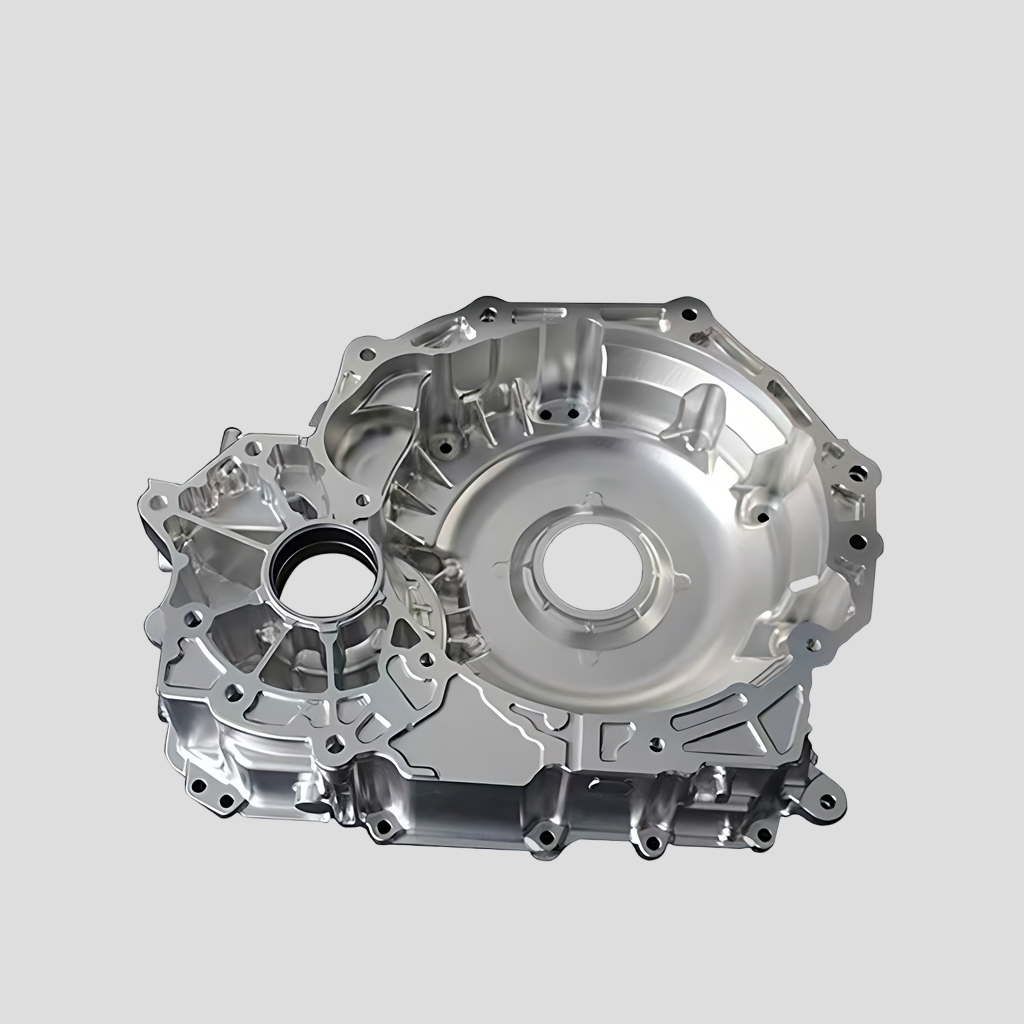
Aluminum alloys are widely used in the field of new energy vehicles and other related sectors. Due to their light weight and excellent corrosion resistance, aluminum alloys are commonly used in the production of battery enclosures, motor housings, and body structural components, helping to reduce the overall vehicle weight and improve energy utilization efficiency.

Carbon Fiber Composites

In the wind energy sector, carbon fiber composites are used to manufacture wind turbine blades. These materials feature a high specific strength and high specific modulus, enabling them to reduce the weight of the blades while maintaining sufficient strength and rigidity, thereby improving wind power generation efficiency.

Silicon

In the field of solar photovoltaics, silicon is the primary material. Monocrystalline and polycrystalline silicon are used to manufacture solar cells. Through a series of processing steps such as cutting, texturing, diffusion, and coating, the photoelectric conversion efficiency of silicon materials is enhanced.

Application Fields

The application areas include: solar photovoltaic industry, wind power industry, new energy vehicle industry, hydrogen energy industry, etc
Hydrogen Energy Industry: This includes the processing of components such as fuel cell bipolar plates, electrodes, and hydrogen storage tank parts. The flow field design and processing accuracy of fuel cell bipolar plates affect the uniform distribution of reactant gases and overall cell performance; components of hydrogen storage tanks shall exhibit high sealing performance and safety to ensure the secure storage and transport of hydrogen.
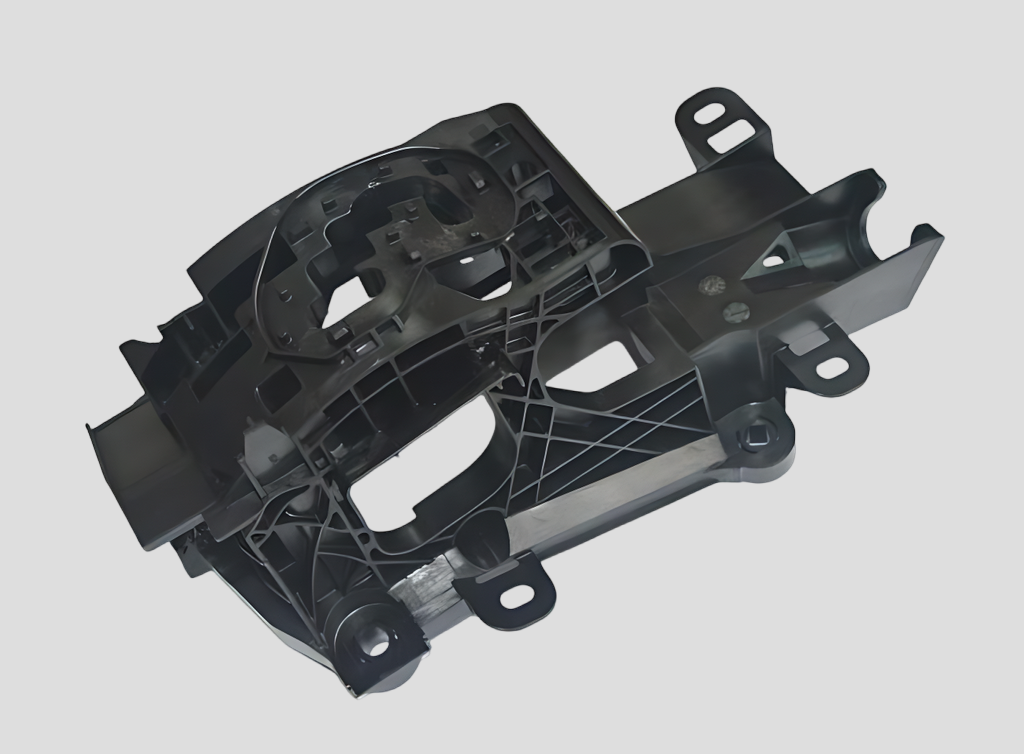
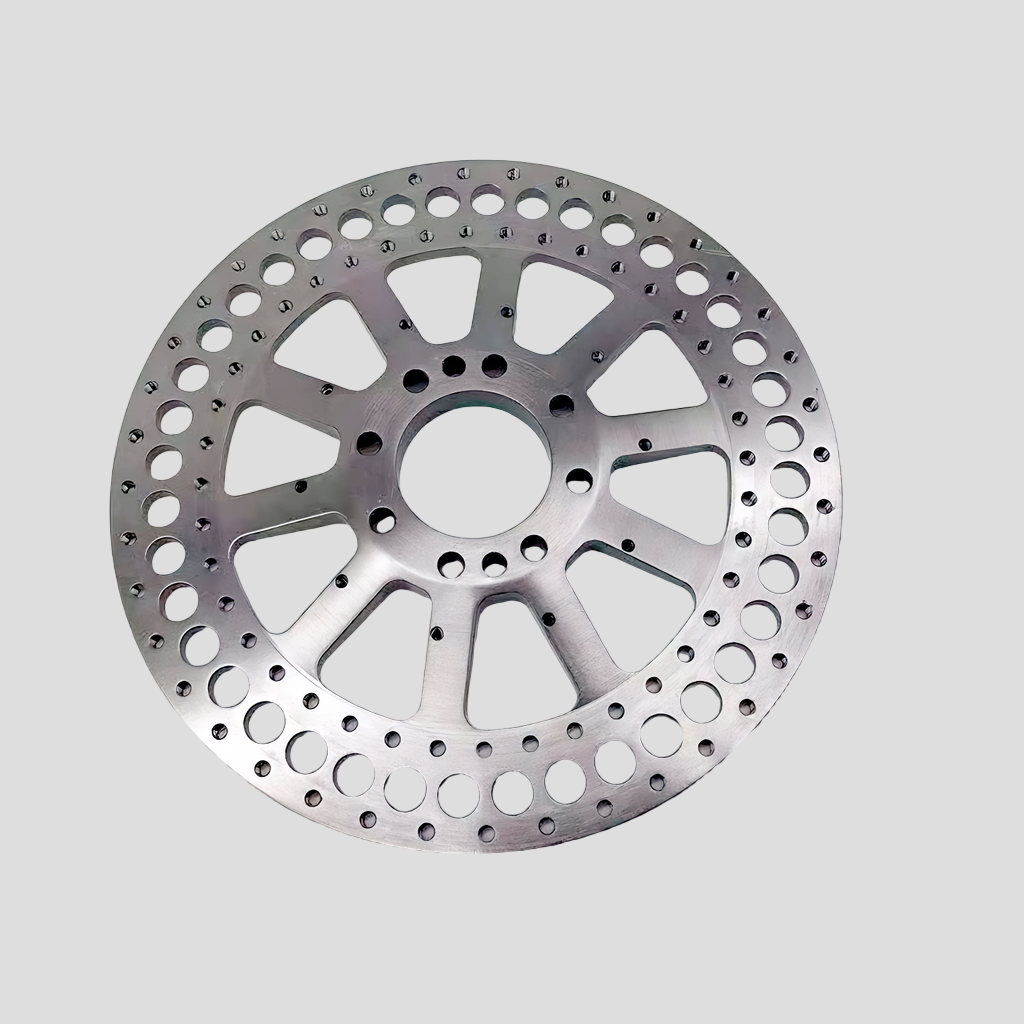
New Energy Vehicle Sector: This includes the processing of battery electrodes, battery casings, motor rotors and stators, as well as components of electronic control systems. The quality of battery electrode processing affects the charging and discharging performance of the battery; the precision and reliability of motor and electronic control system components determine the vehicle's power performance and overall safety.
Wind Power Generation Industry: This involves the processing of key components such as wind turbine blades, hubs, and towers. The aerodynamic profile and manufacturing precision of the blades determine wind energy capture efficiency, while hubs and towers shall withstand significant wind loads, requiring exceptionally high material strength and processing quality.
Solar Photovoltaic Industry: This involves the processing of solar cells, photovoltaic module frames, mounting brackets, and other components. The processing accuracy of solar cells directly affects photoelectric conversion efficiency; frames and brackets shall possess excellent weather resistance and mechanical strength to ensure that photovoltaic modules operate stably and reliably in outdoor environments over the long term.
Are you ready for a free quote for your project?
Get a quote
expand