Intelligent Manufacturing
Service Overview
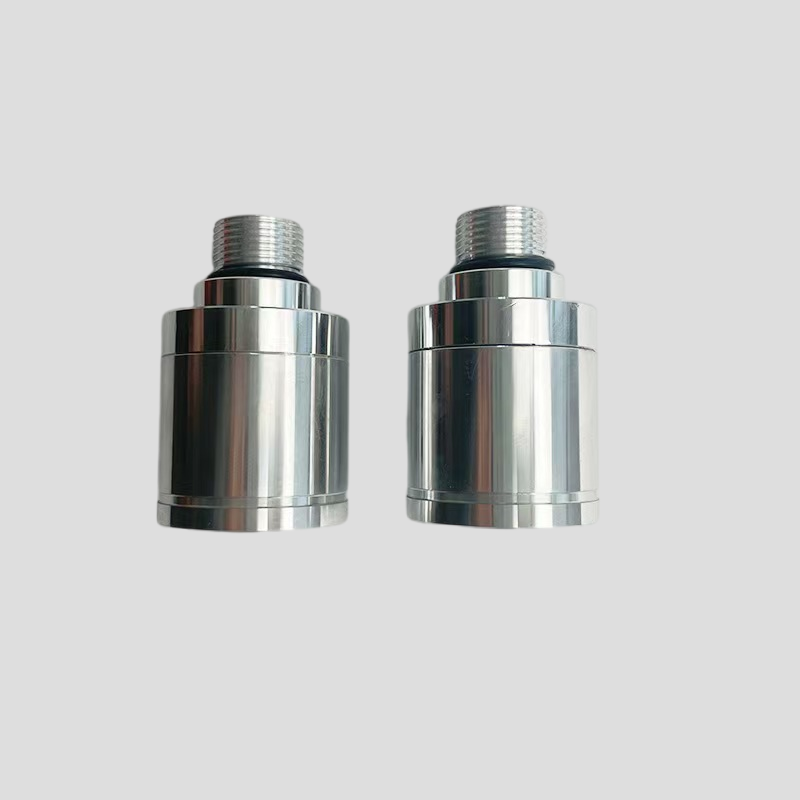
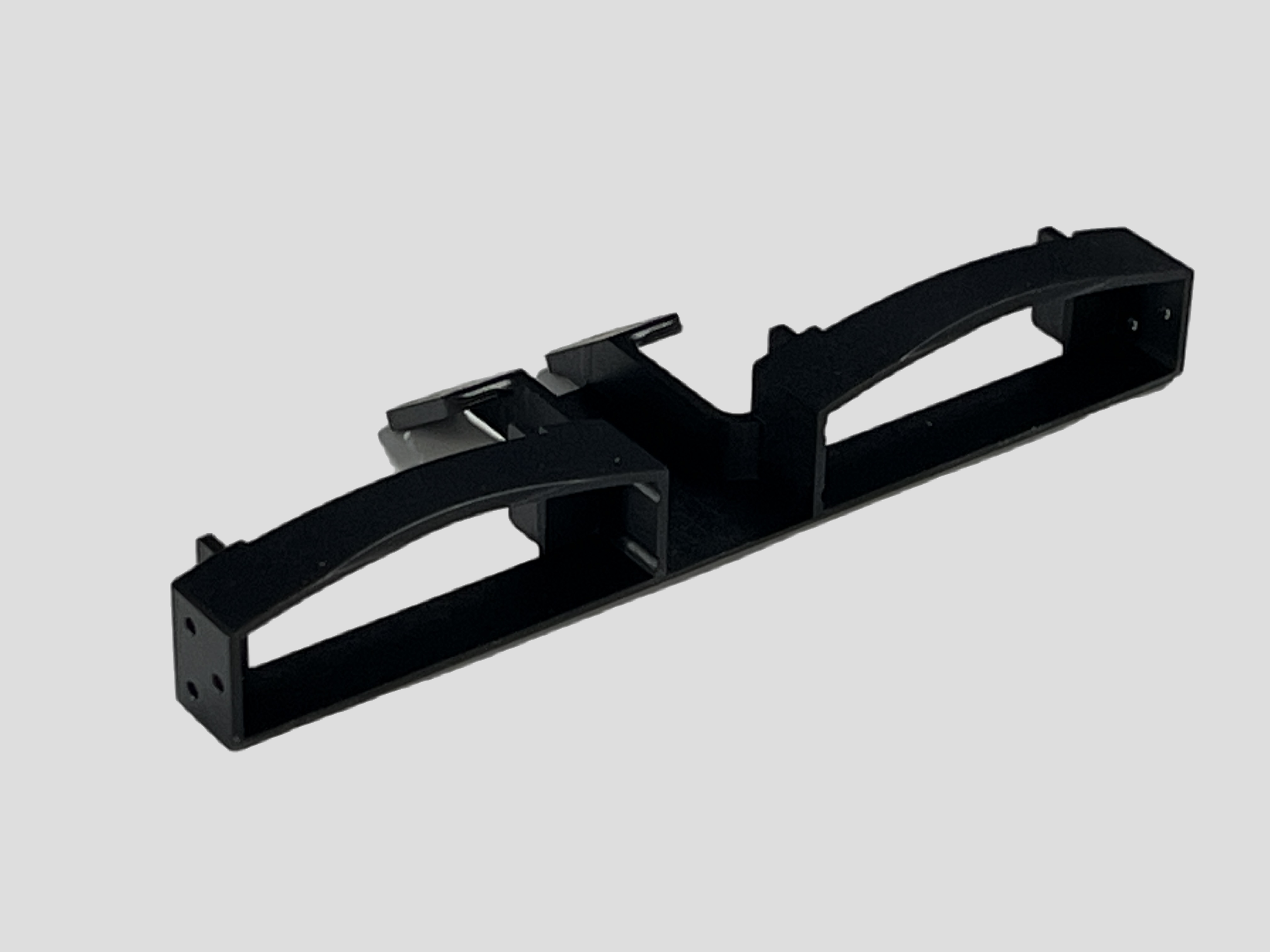
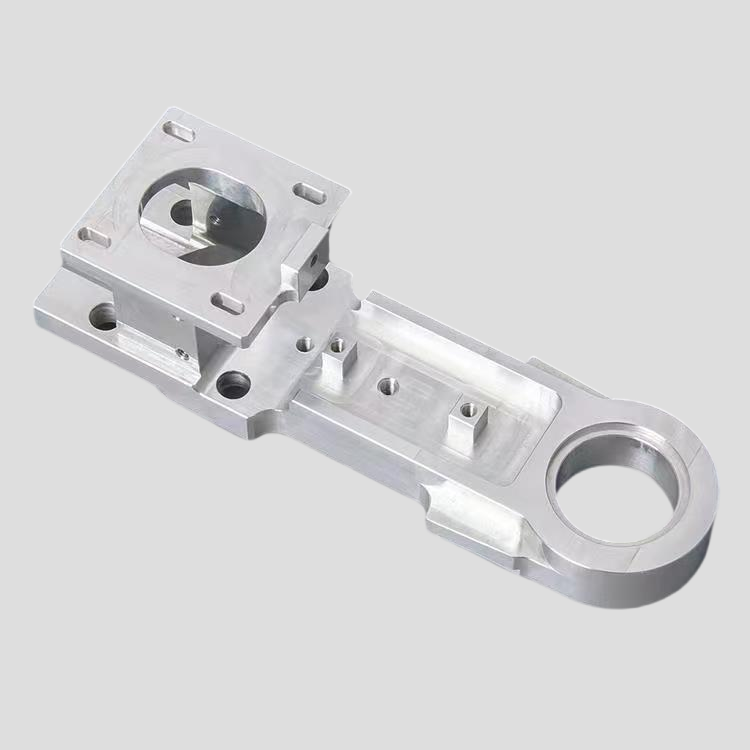
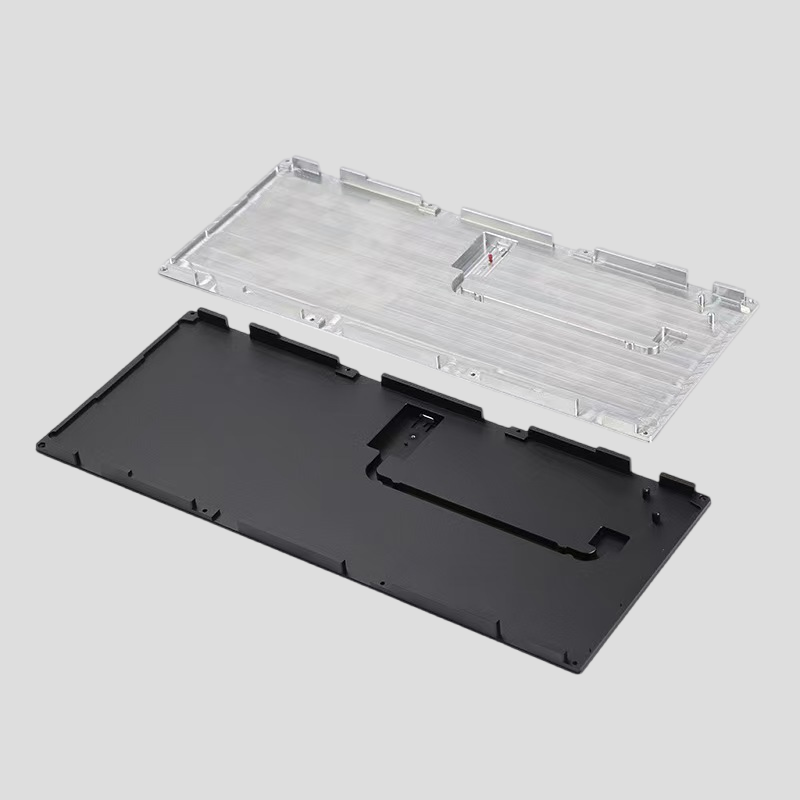
OEMach has been deeply engaged in the field of intelligent equipment parts manufacturing for many years. Leveraging advanced machining expertise and industry-leading smart production equipment, we are committed to providing global customers with one-stop, high-precision, and high-quality parts manufacturing solutions. In the development of precision molds, we leverage our professional design team and cutting-edge CAD/CAM technologies to efficiently transform creative concepts into physical molds. When faced with complex component processing requirements—whether it’s micro- and nano-fabrication techniques such as photolithography and etching for tiny electronic parts, or precision machining methods like turning, milling, and grinding for mechanical structural components—we can consistently deliver precise results, drawing on our extensive experience and advanced equipment.
We have established a rigorous and comprehensive end-to-end quality control system. This includes raw material procurement inspection, real-time monitoring of part dimensions, shapes, and electrical properties throughout production using high-precision equipment such as coordinate measuring machines and optical inspection devices, and multiple sampling inspections before finished products leave the factory. These measures ensure that every component meets strict international standards as well as our customers’ specific requirements.
In terms of application fields, OEMach's services cover a wide range of industries. We reliably deliver precision parts for diverse products, including metal frames and camera module brackets for smartphones, flexible PCBs and precision sensor housings for wearable devices, and electric motor gears and smart lock components for smart home equipment—all made possible by our professional capabilities and commitment to accuracy. With a high yield rate, rapid delivery times, and excellent after-sales service, OEMach has become a trusted long-term partner for numerous smart device brands and manufacturers. We continue to inject strong momentum into the robust growth of the smart device industry, driving technological innovation and quality upgrades across the sector.
Category
Form
Material Process
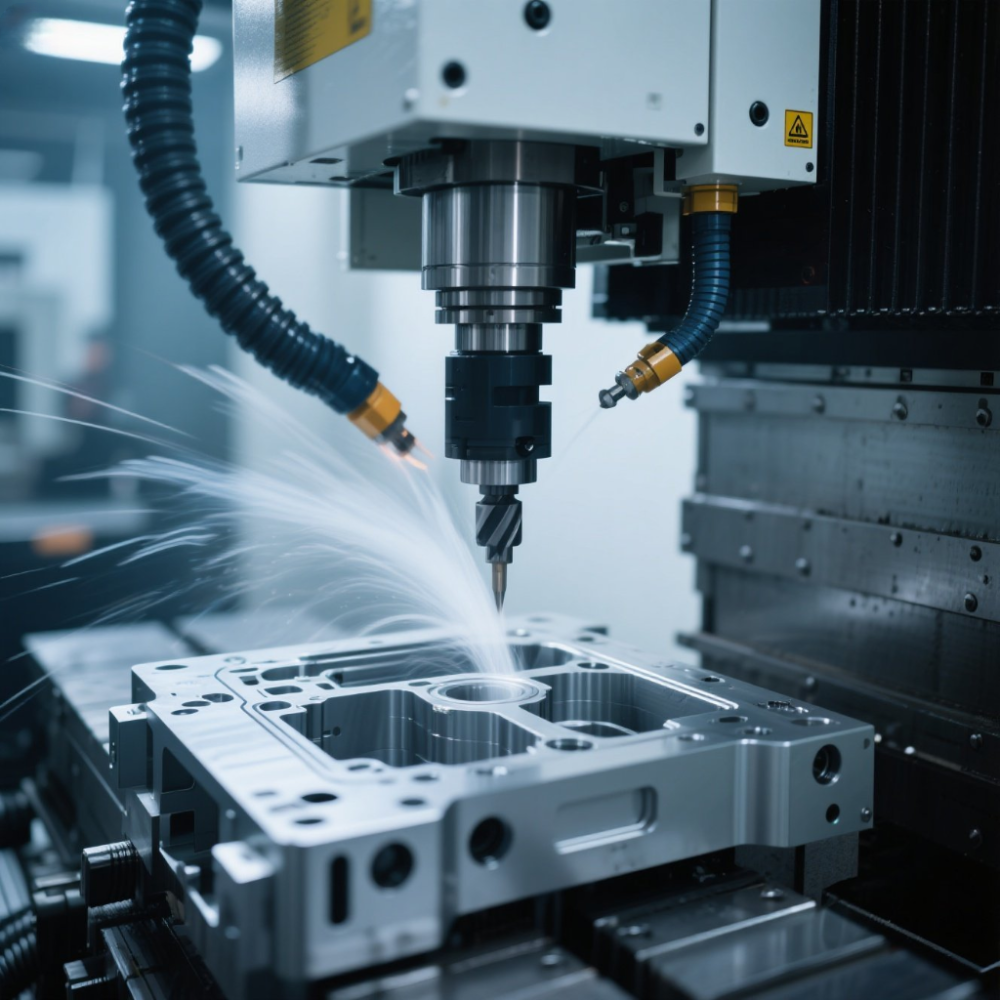
Processing Materials
Aluminum alloys
with their low density, high strength, and excellent heat dissipation, are widely used for smart device housings and thermal management components. For example, 6061 aluminum alloy can be precision machined to produce lightweight yet robust smartphone shells and computer chassis. Its superior heat dissipation helps ensure stable operation of the internal electronic components in smart devices.
Engineering Plastics
Engineering plastics such as polycarbonate (PC) and acrylonitrile-butadiene-styrene (ABS) feature lightweight properties, excellent moldability, and superior insulation. They are commonly used in the production of internal structural parts, buttons, and decorative elements for smart devices. Injection molding enables the fabrication of complex shapes, meeting the diverse design requirements of smart devices.
Copper and Copper Alloys
Copper is prized for its outstanding electrical and thermal conductivity, while copper alloys such as brass and bronze also offer excellent mechanical properties. These materials are widely used to manufacture circuit boards, connectors, and heat-dissipating copper tubes for smart devices, ensuring stable internal signal transmission and efficient heat dissipation.
Silicon
As a semiconductor material, silicon serves as the foundational material for manufacturing core electronic components such as smart sensors and microprocessors. Using semiconductor processes such as photolithography and doping, silicon can be processed into miniature chips and sensors with specific electrical properties, enabling sensing and processing functions in smart devices.
Application Fields
Parts We Machine