Turn-mill compound machining
Service Overview
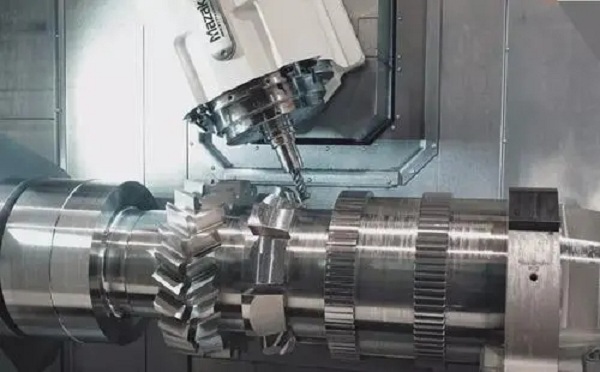
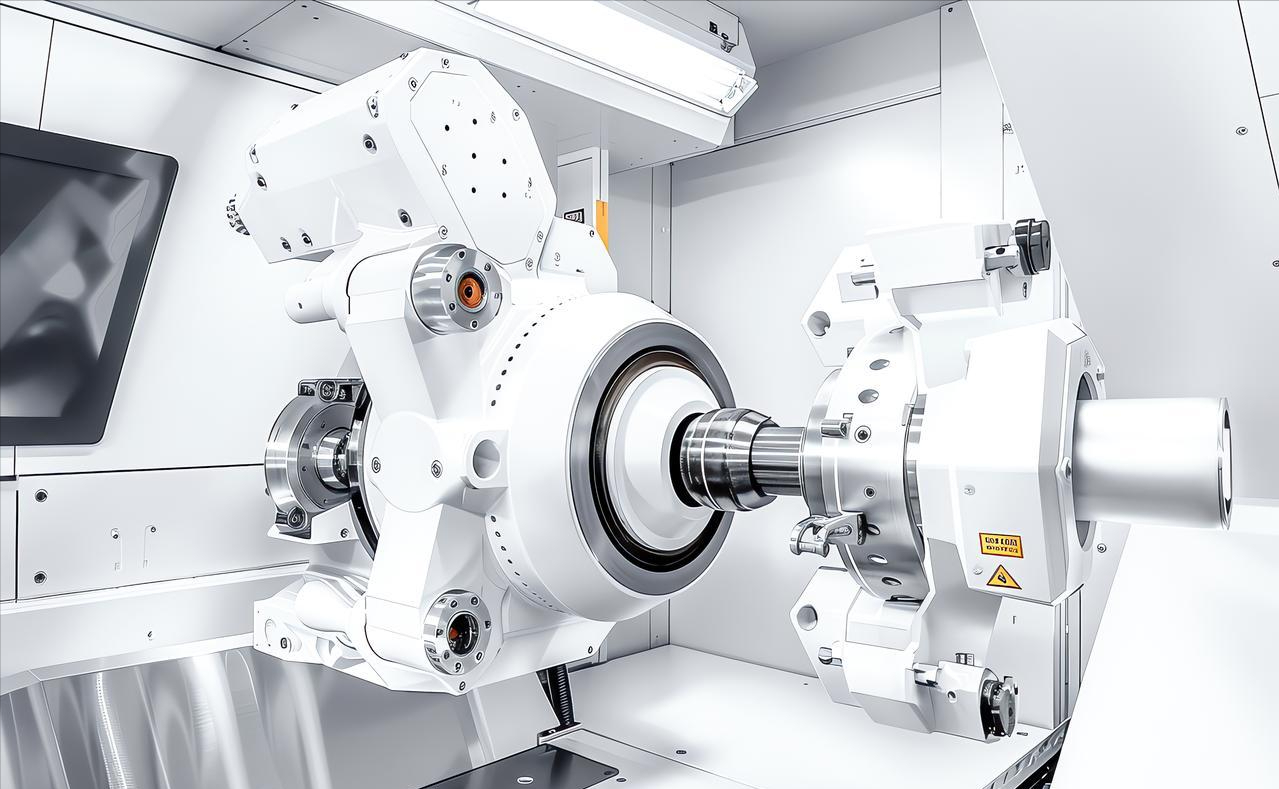
Turn-mill compound machining is an advanced manufacturing process that integrates the functions of both a lathe and a milling machine, enabling multiple machining operations to be completed on a single piece of equipment. With a single setup, it allows for seamless transitions between turning, milling, drilling, and boring operations, thus avoiding the positioning errors caused by multiple setups and significantly improving part machining accuracy and production efficiency.
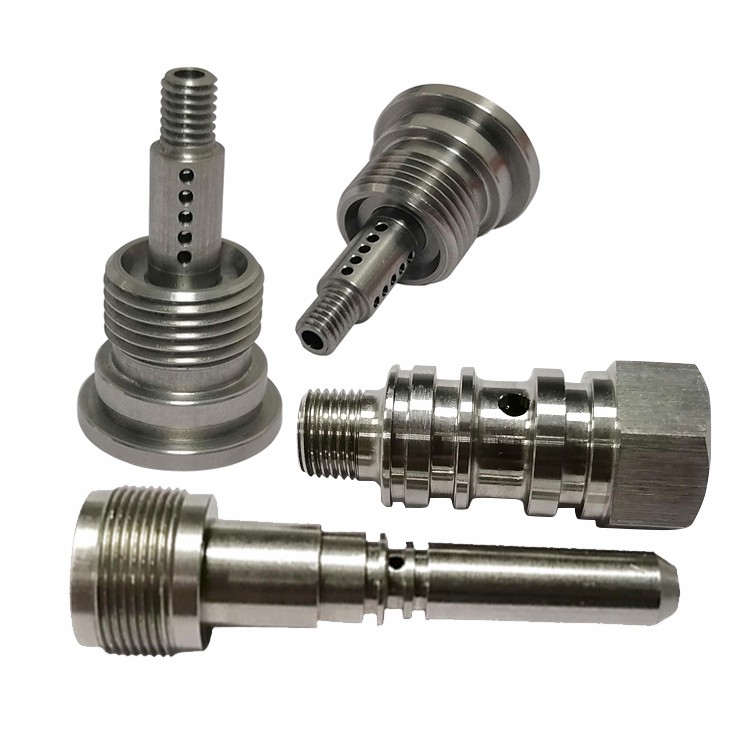
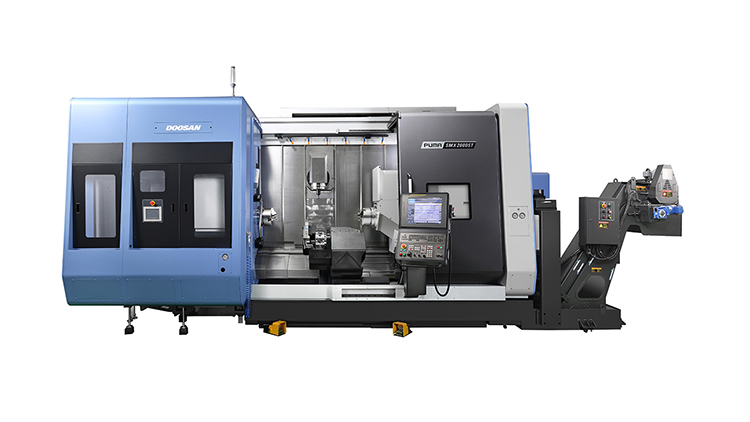
OEMach is equipped with five-axis turn-mill compound centers, specializing in the integrated machining of complex and irregular parts. Our turn-mill compound equipment uses advanced CNC systems and high-precision mechanical structures, offering a high degree of automation and intelligence. Our professional technical team has extensive machining experience, particularly in the compound machining of precision aerospace components. We excel at the precision machining of difficult-to-cut materials such as titanium alloys and high-temperature alloys. Based on the characteristics of each part and the customer’s requirements, we develop customized machining solutions that fully leverage the advantages of turn-mill compound machining, providing clients with high-quality precision parts processing services. Whether it is shaft parts, disc parts, or components with complex shapes and structures, we can achieve precise machining through turn-mill compound technology.
Service
Form
Capabilities
| Category | Description |
|---|---|
| Maximum part size | Diameter × Length: 800 × 2000 mm (customizable as required) |
| General tolerance | Dimensional tolerance: ±0.01 mm; Geometric tolerance: ±0.008 mm (customizable as required) |
| Delivery date | For standard operations, the lead time for simple parts is 3–5 days; for complex parts or batch orders, the lead time is generally 7–10 days, subject to project evaluation. |
| Customization Services | Processable materials include carbon steel, alloy steel, stainless steel, aluminum alloy, copper alloy, titanium alloy, and other metallic materials, as well as certain engineering plastics and other non-metallic materials. Supported processes include high-speed turning, milling, threading, eccentric machining, and more. |
Our Advantages
Application Fields

Energy sector
Turn-mill compound machining is employed in the production of various shafts and connectors used in oil and natural gas extraction equipment, as well as critical transmission components for power generation machinery. We provide the energy industry with high-quality parts machining services.
Aerospace industry
For the production of shaft components in aircraft engines, connector shafts, and disc-shaped parts in aircraft structures, the high precision and complex machining capabilities of turn-mill compound processes guarantee the quality and reliability of aerospace parts.
Automotive industry
Used for machining critical automotive engine parts such as crankshafts, camshafts, half-shafts, and all types of shaft and disc components for transmission systems, meeting the sector’s demands for high-precision, large-volume parts manufacturing.
Machinery manufacturing
Applied in the machining of various shafts and discs, such as motor shafts, gear shafts, couplings, flanges, and more. This process enhances part accuracy and production efficiency, ensuring the quality and performance of mechanical products.
Frequently Asked Questions

Related Links